

Last updated October 30, 2026
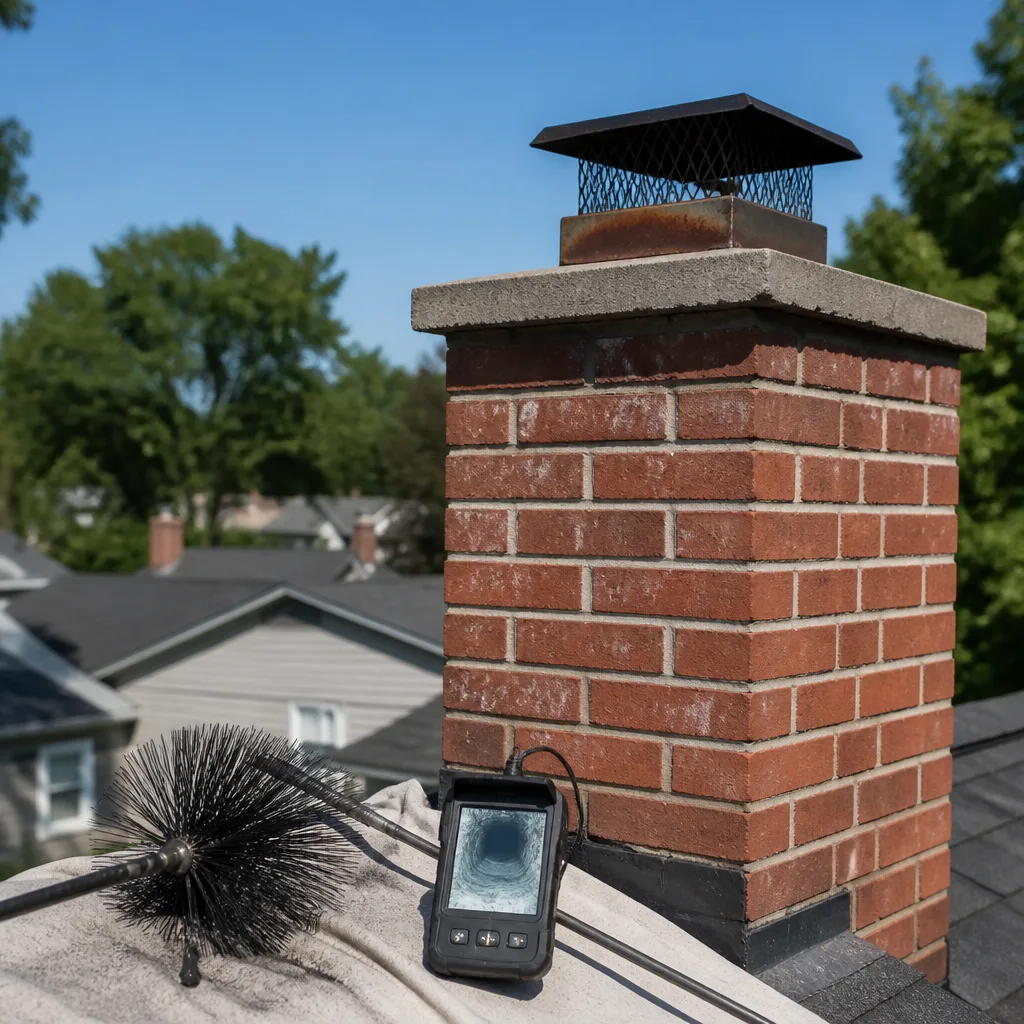 Sweep & inspection
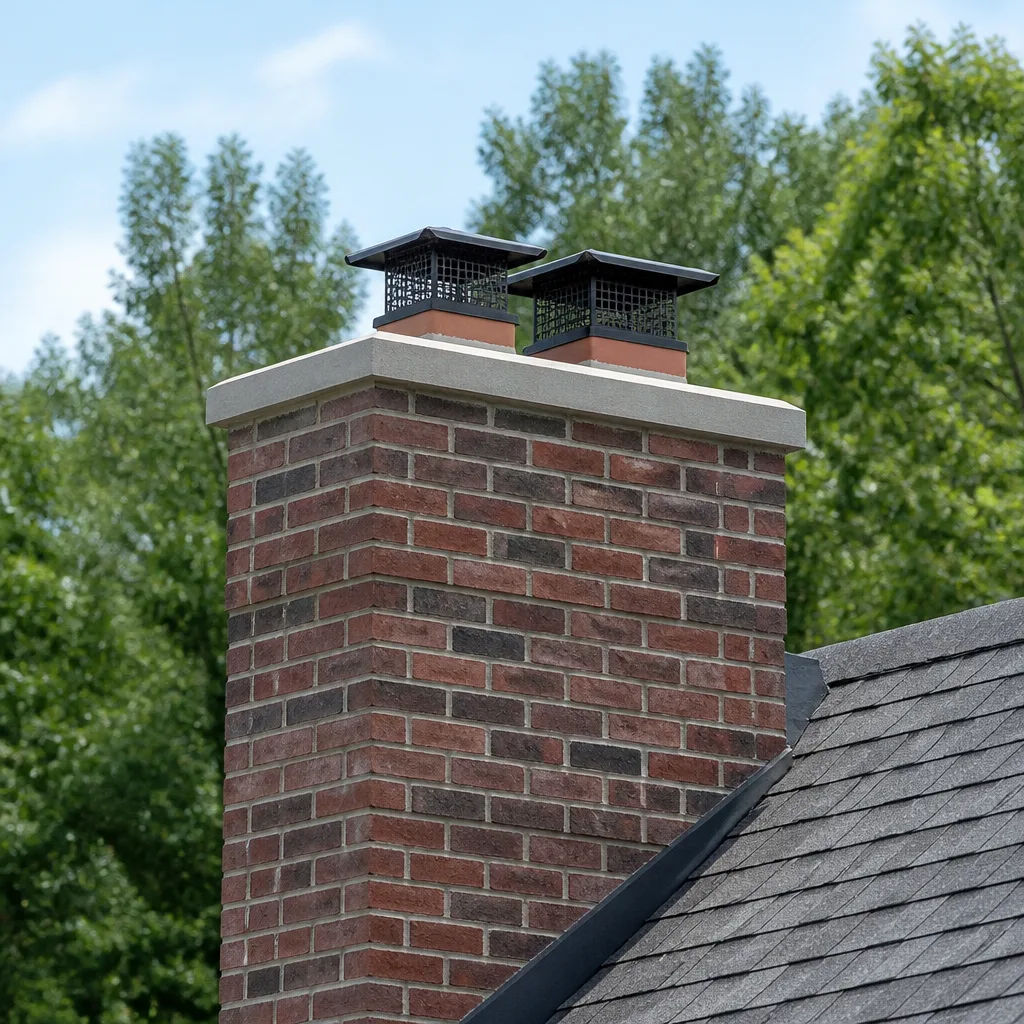 Caps & crowns
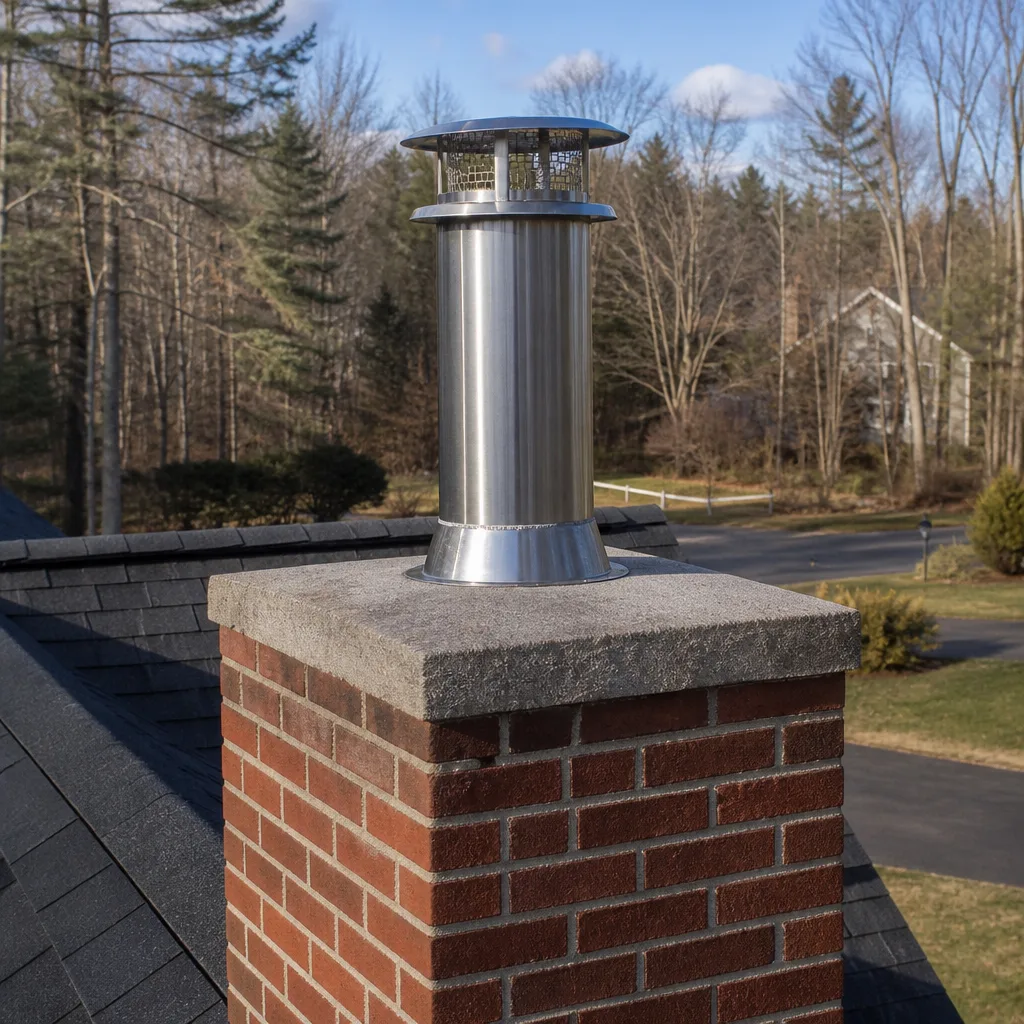 Flue relining
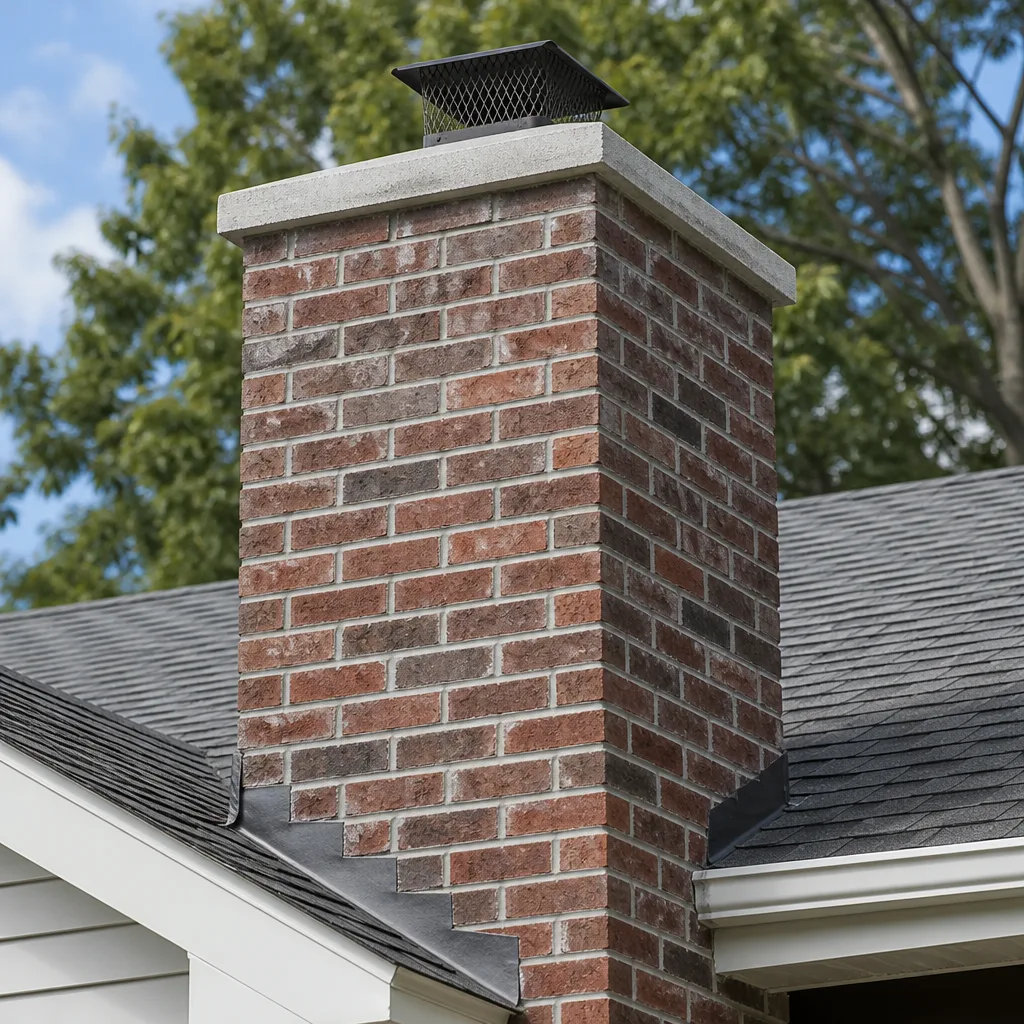 Masonry repair
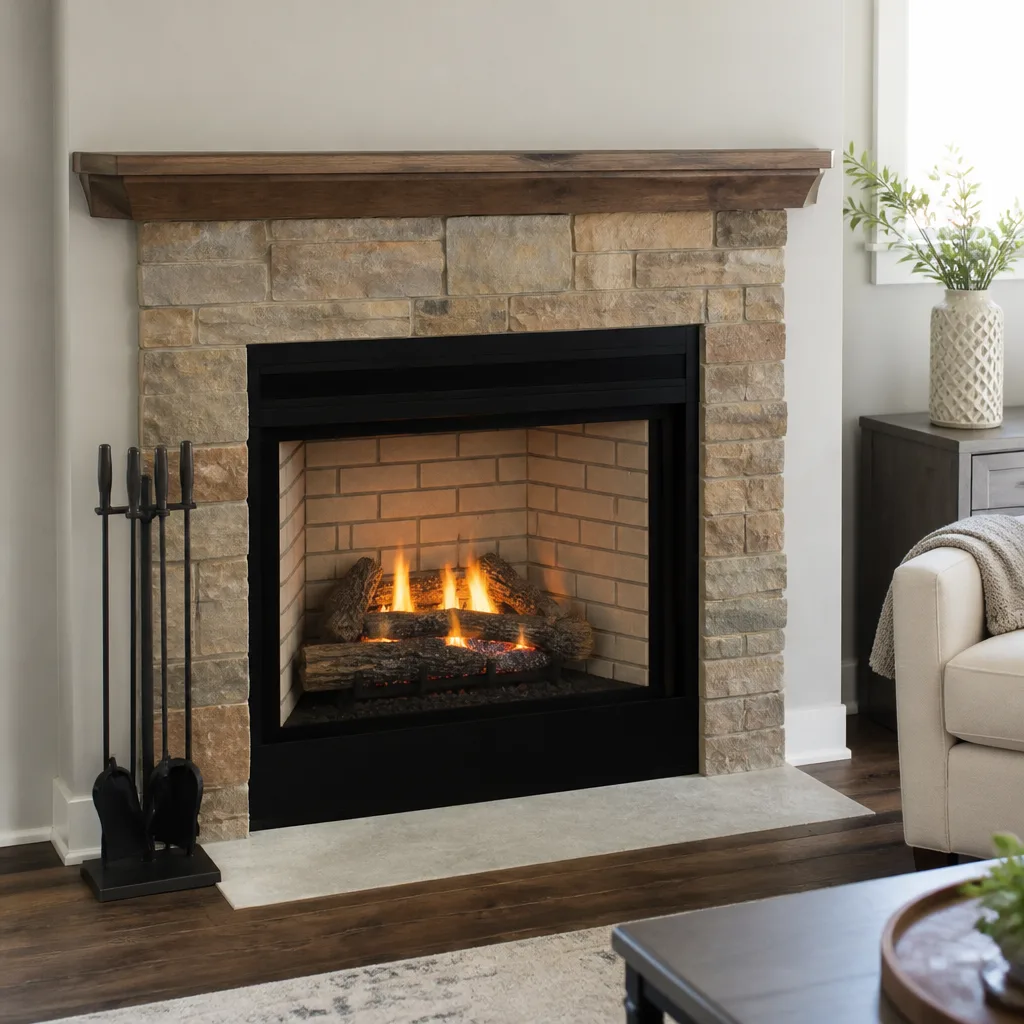 Gas fireplace service
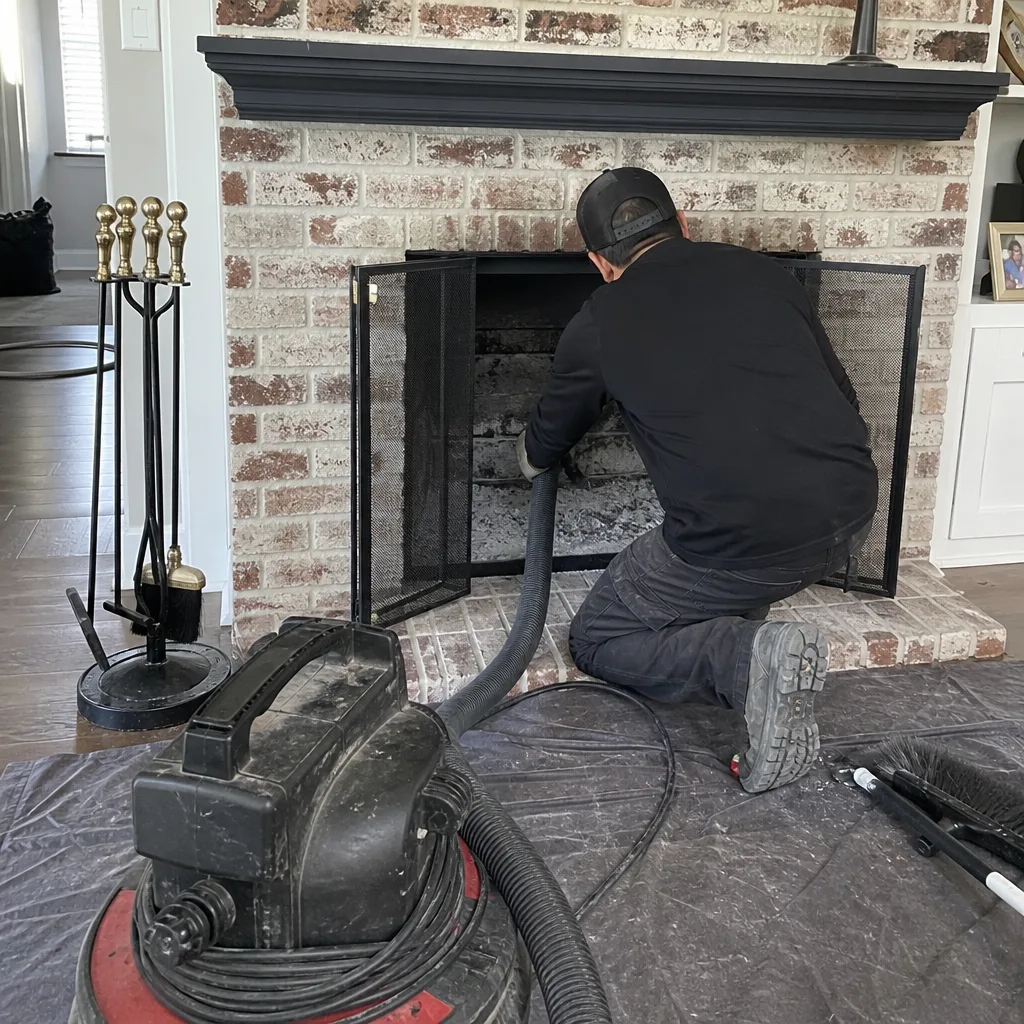
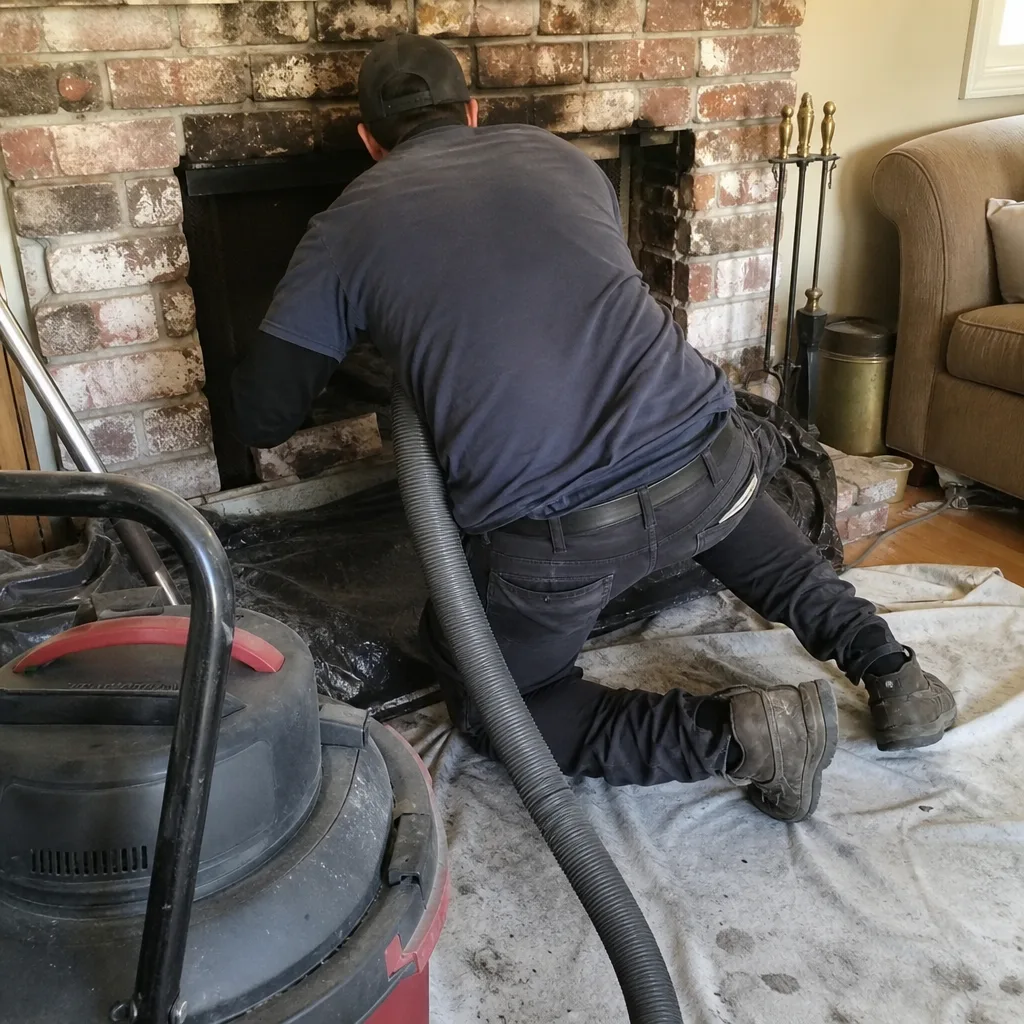
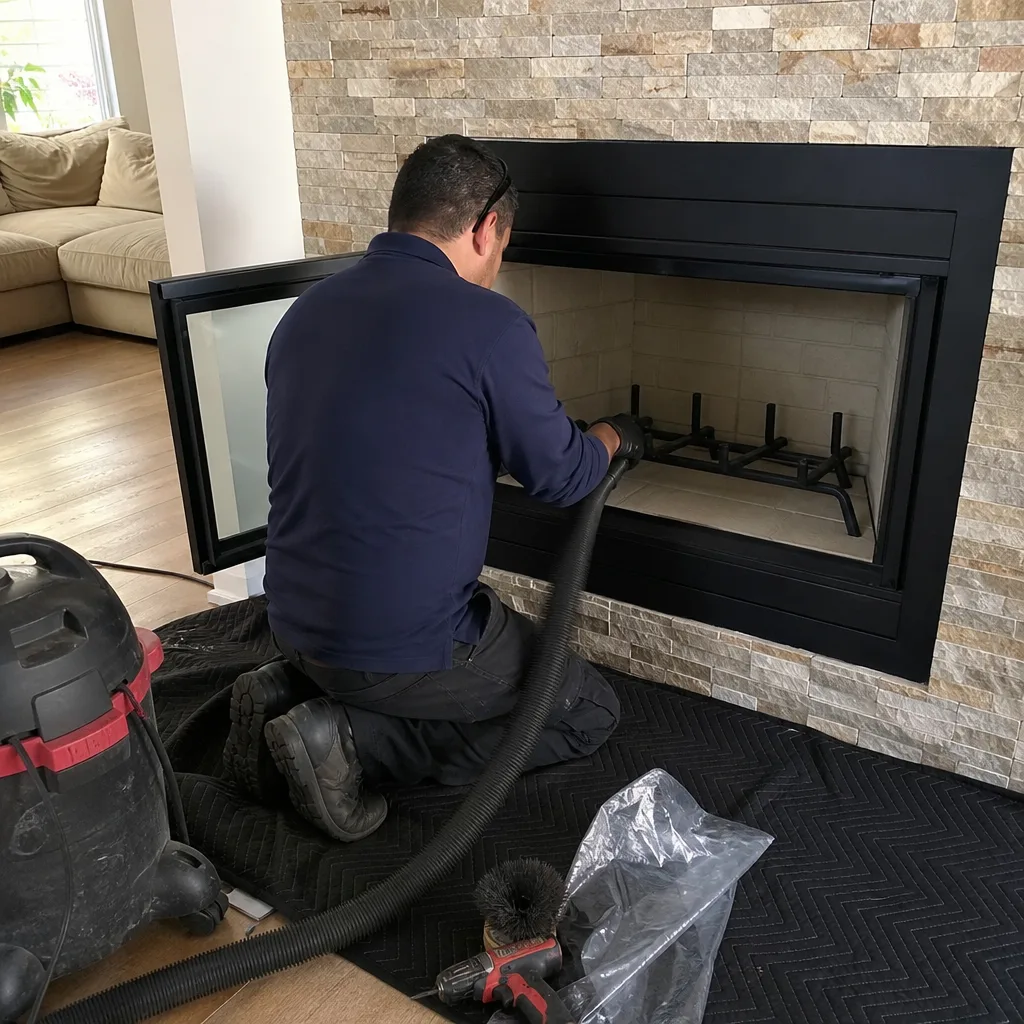
Level 1 sweep and inspection to the NFPA 211 annual standard - flue, crown, cap, and flashing checked and photographed
Chimney sweep logs do not sweep chimneys. They loosen some creosote - which then falls where a brush and vacuum still have to collect it.
Chimney Cleaning Warning Signs: A Orange Homeowner’s Reference Guide
Most Orange homeowners assume a chimney problem will announce itself with drama: smoke billowing into the living room, visible flames where they shouldn’t be, or a chunk of masonry falling onto the patio. The reality is quieter and more insidious. The warning signs that precede chimney fires and carbon monoxide leaks are typically subtle behaviors that residents write off as old-house character or weather quirks. This guide walks through the signs that actually matter, why a Santa Ana wind event reveals more about your flue than a calm afternoon ever will, and when a cleaning visit is the diagnostic you didn’t know you needed. For Chimney Sweep Maintenance Checklist for Orange Homeowners, see our companion resource. If you own a fireplace in Orange and you’ve been ignoring a faint smell or a stuck damper, this is written for you.
Styles & brands we work with
Quick Answer
The most reliable chimney cleaning warning signs in Orange are: smoke entering the home during windy conditions, a petrochemical or campfire smell that lingers when the fireplace is cold, white mineral staining on exterior masonry, a damper that won’t fully open or close, and unexplained soot or debris in the firebox between fires. Any one of these warrants a professional inspection. A sweep typically costs $199 – $389 in the Orange market and doubles as a diagnostic that identifies the underlying cause before it becomes a structural repair.
Table of Contents
- Pressure-Reversal Drafting: What Santa Ana Winds Reveal About Your Flue
- Efflorescence on Exterior Masonry: The Internal Moisture Signal You Can See From Outside
- Chimney Odors by Category: What Each Smell Actually Means
- Damper Degradation: Visual Checks From the Firebox With a Flashlight
- The Unused Chimney Fallacy: Why “We Never Light Fires” Is Not a Safety Strategy
- How Often Should a Orange Chimney Be Cleaned? Local Variables That Change the Math
- Common Mistakes to Avoid When Evaluating Your Chimney
- When to Call a Professional
- Frequently Asked Questions
- The Bottom Line
Pressure-Reversal Drafting: What Santa Ana Winds Reveal About Your Flue
A smoky smell in your living room on a windy day isn’t your fireplace being temperamental. It’s a pressure-reversal symptom that points to one of three specific flue problems, each with a different fix and urgency level. What many Orange residents don’t realize is that Santa Ana wind conditions are actually a diagnostic gift, because they stress the chimney system in ways calm air never will. A flue that performs fine on a still evening may reveal its deficiencies the moment a 25-mph gust hits the chimney cap from the east.
Here’s what’s happening physically. Your chimney works on a pressure differential: warm air rises inside the flue, creating negative pressure that pulls combustion gases up and out. When high wind strikes the chimney top at certain angles, it can overwhelm that updraft and force air back down the flue. In a healthy system, the chimney cap and proper flue height handle this without incident. When smoke enters your living room during a wind event, one of three structural realities is usually present.
The Three Causes of Wind-Driven Smoke Reversal
- Creosote narrowing in the upper flue. Stage 2 or Stage 3 creosote deposits can reduce the effective flue diameter by 30 to 50 percent. This concentrated buildup, often worst in the top third of the flue where gases cool fastest, turns a manageable pressure event into a full reversal. The fix is a mechanical sweep to restore the full flue diameter, followed by a camera inspection to confirm clearance.
- Flue height deficiency relative to the roofline. A chimney that terminates too close to the roof peak, or one that sits downwind of a taller addition, will always be vulnerable to pressure reversal. This is more common in older Orange neighborhoods where original 1950s chimneys now sit below second-story additions built in the 1990s. The fix may involve extending the flue or installing a specialized cap designed to stabilize draft in turbulent wind.
- Damaged or missing chimney cap with compromised spark arrestor. The cap isn’t decorative. It’s the first line of defense against wind, rain, and animal entry. A rusted-through cap allows wind to enter the flue at its most vulnerable point and creates turbulence that disrupts the updraft. We regularly find original caps on 40-year-old Orange homes that have corroded to the point of being more obstacle than protection.
How do you distinguish between these without opening the flue yourself? You can narrow it down with observation. If smoke reversal happens only above 15 mph winds and stops the moment the gust passes, the issue is more likely flue height or cap design. If it happens even in moderate wind and is accompanied by a strong creosote smell inside the home, mechanical narrowing of the flue is the prime suspect. If you notice the smell primarily in the morning regardless of wind, you may be dealing with a backdrafting condition related to household negative pressure from range hoods and bathroom fans, which is a separate but related issue covered in our Chimney Sweep Troubleshooting: Common Problems and How to Fix Them.
Efflorescence on Exterior Masonry: The Internal Moisture Signal You Can See From Outside
White, chalky staining on your chimney’s exterior brick is the most overlooked warning sign in residential chimney maintenance. Most Orange homeowners assume it’s cosmetic, perhaps a result of the house being old or the brick being low quality. It’s neither. That staining is efflorescence, and it’s telling you that water is moving through your chimney system in ways it shouldn’t.
Efflorescence forms when water infiltrates the masonry, dissolves the natural salts present in the brick and mortar, and then migrates to the surface where the water evaporates and leaves the mineral deposits behind. It’s the chimney equivalent of a slow hemorrhage rather than a sudden wound. By the time the staining is visible from the street, moisture has been cycling through your masonry for months or longer.
What Orange-Specific Conditions Make Efflorescence More Common
- Heavy marine influence in the west Orange neighborhoods. Homes closer to the coast experience more regular moisture exposure and salt-laden air. The water vapor that condenses on the exterior masonry doesn’t just sit there, it gets pulled into the porous brick and begins the mineral migration process.
- Temperature swings between day and night. Orange’s diurnal temperature variation, especially in the fall and winter months, creates repeated freeze-thaw and condensation cycles even when the thermometer never reaches freezing. Each cycle draws more moisture deeper into the brick.
- Cracked crown caps and crown mortars. The crown (the concrete surface at the top of the chimney) is the umbrella. When it cracks, rain enters the masonry directly. That water doesn’t drain out. It saturates the brickwork, dissolves minerals, and eventually finds its way into the home or the flue cavity.
Here’s the point that matters: internal moisture damage is invisible from inside the home until it’s advanced. By the time wallpaper peels, the firebox shows water stains, or the damper area rusts through, you’re in repair territory that costs multiples of what a crown repair or repointing would have cost. Efflorescence is the early warning that lets you act before the repair scope expands.
When drafting a plan for a chimney with visible efflorescence, a professional inspection will typically include a moisture assessment of the flue interior and a camera evaluation to determine if the liner has sustained water damage. Some liners can be restored using HeatShield, a cost-effective path relative to full replacement, but that decision depends on the type and extent of deterioration.
Chimney Odors by Category: What Each Smell Actually Means
Not all chimney smells are created equal, and the differences are clinically useful if you know how to sort them. Homeowners tend to lump them together as “the fireplace smells bad.” Trained professionals sort them into three distinct categories, each pointing to a different underlying condition and a different response timeline.
Petrochemical / burnt-campfire smell. This is the most common odor complaint we hear from Orange homeowners, and it’s directly connected to creosote accumulation. Stage 2 creosote, a tar-like residue that forms when combustion temperatures are low and byproducts condense on the flue walls, has a distinctive petrochemical odor that intensifies with humidity. If you smell it strongly on a foggy Orange morning when the fireplace hasn’t been lit in days, you’re smelling the moisture activating accumulated creosote. This is a cleaning visit with a targeted urgency, not an emergency, but repeated exposure means the creosote is thickening with every fire and becoming harder to remove. The Chimney Sweep in Orange that addresses this includes a camera inspection to map exactly where the buildup has concentrated.
Animal / organic decomposition smell. A musty, organic, or frankly biological odor points to nesting material in the flue. Birds, squirrels, and rats all find open chimneys irresistible in spring and summer. A nest brings twigs, droppings, feathers, and often deceased animals. The smell is unmistakable and usually noticed when it’s warm outside and the air pressure pushes flue air back into the home through a compromised damper. This is a safety issue beyond the odor: nesting material is dry, highly flammable, and sits directly in the path of combustion gases. Removal requires specialized equipment and should never be attempted by the homeowner.
Sulfur / gunpowder / rotten-egg smell. This is the one that demands immediate attention. Sulfur-like odors in the living space can indicate combustion gases backdrafting into the home, which includes carbon monoxide. The gas itself is odorless, but the other combustion byproducts that accompany it carry that sulfur note. If you smell this when the fireplace is lit or when a gas appliance is running, stop using the appliance, ventilate the space, and have the system professionally evaluated. This is the least common odor category among the three, but it’s the only one that represents an active rather than potential hazard. When we roll out for these calls, the inspection covers the entire venting path, because the backdraft may originate from a water heater vent, a furnace flue, or a gas fireplace insert, not just the fireplace itself.
Damper Degradation: Visual Checks From the Firebox With a Flashlight
The damper is the mechanical gate that separates your living space from the open flue. When it fails, you lose control over the chimney’s envelope, meaning air moves through your chimney in both directions whether you want it to or not. The good news is that damper degradation is visible from the firebox with a flashlight and a flat surface to lie on. No specialty tools required.
What to Look For: A Step-by-Step Visual Inspection
- Assess the plate surface. Lie down, aim the flashlight up past the lintel into the throat of the chimney, and look at the damper plate itself. A healthy cast-iron or steel damper should present a uniform matte surface. If you see areas that look puckered, blistered, or show a red-brown scale, that’s rust bloom. The plate is actively corroding.
- Check the seal around the plate edges. Look for light coming through where the damper meets its frame when the damper is closed. Gaps as small as one-eighth of an inch represent a meaningful air leak. Multiply that gap by the entire circumference and you have a significant opening for conditioned air to escape and flue gas to enter when the pressure reverses.
- Examine the operating mechanism. Operate the handle or rod through its full travel. A properly functioning damper should move smoothly and hold its position when you release it. If it binds, grinds, requires excess force, or won’t stay where you set it, the mechanism is compromised. In worm-gear or poker-style damper mechanisms, look for stripped threads on the screw mechanism, which is a common failure point on 30-year-old dampers in Orange homes.
- Look for soot fallout on the smoke shelf. Aim the flashlight at the flat ledge immediately behind and above the damper opening. If you see loose soot or debris accumulating there, the chimney has been drafting poorly, and that material is working its way back down toward the firebox. This is often the first physical evidence of a pressure-reversal problem before it becomes a smell that reaches your living room.
If you find warped plates, rust bloom, sticking mechanisms, or soot fallout, the damper is no longer doing its job. Replacement is more common in older Orange homes than repair, simply because the original dampers in 40-to-60-year-old fireplaces have reached the end of a reasonable service life. When we replace a damper, we’re also looking at the flue condition behind it, because a degrading damper usually means moisture has been entering the system for years.
The Unused Chimney Fallacy: Why “We Never Light Fires” Is Not a Safety Strategy
The homeowner argument goes like this: if the chimney is never used, it can’t be dirty because no fire produces any creosote, and if there’s no creosote, there’s no fire risk, and if there’s no fire risk, there’s no need for cleaning. This line of reasoning sounds airtight and is dangerous enough that it deserves direct treatment. The most hazardous misconception in residential chimney safety is the belief that inactivity is a form of maintenance.
Here’s what actually happens in a chimney that “never gets used.” Moisture enters through a cracked crown, damaged cap, or deteriorating masonry. That moisture accelerates the breakdown of the mortar joints and the flue liner, whether the chimney is active or not. Birds and animals find the quiet, protected space ideal for nesting. Debris accumulates. And then one winter evening, maybe a decade after the last fire, someone decides it would be nice to light a fire for the holidays. They load the wood, light the match, and the chimney that “never gets used” becomes the most dangerous chimney in Orange at that moment.
Beyond the occasional fire scenario, an unused chimney can actively harm the home’s air quality. As the flue liner deteriorates and the damper seal degrades, the chimney becomes an ungoverned air passage between the roof and the living space. Pressure differentials move air through it in both directions. That means outside air with its dust, moisture, and pollen enters the home through a dirty, deteriorating passage rather than through a filtered HVAC system. A chimney that’s never swept still needs periodic inspection, because the deterioration it experiences is environmental rather than combustion-related, but it’s deterioration all the same. The Prestige Chimney home page has more on why our team’s approach combines sweep and Chimney Repair in Orange capabilities for exactly this scenario.
How Often Should a Orange Chimney Be Cleaned? Local Variables That Change the Math
The national guideline, echoed by the Chimney Safety Institute of America, is that any chimney should be inspected annually and cleaned when creosote accumulation reaches 1/8 inch or more. That’s the baseline. Orange has specific variables that alter this math in both directions.
Variables that increase cleaning frequency: If you burn wood more than twice per week during the winter months, if you’re burning unseasoned or soft wood that produces more particulate than the draft can fully carry away, or if your chimney is an exterior wall chimney that cools faster and thereby condenses creosote more readily, the accumulation rate moves faster. Homes in the foothill communities around Orange, where winter evening temperatures drop lower than the valley floor, often see faster buildups because their fires burn longer and the flue gases cool more aggressively during the overnight hours.
Variables that decrease cleaning frequency: Gas fireplace inserts produce vastly less particulate than wood fires, but they still need annual inspection because the venting path must remain clear and the connections must be checked for gas seal. Dryer vents, a related but separate concern, should be cleaned annually regardless of how the home is heated, because lint accumulation in the dryer exhaust line is a leading cause of appliance fires. If you haven’t thought about your dryer vent in years, the Dryer Vent Cleaning in Orange service covers that threat, which the U.S. Fire Administration cites as the top appliance-related fire cause in residential buildings.
A Practical Schedule for Orange Homes
- Wood-burning fireplace used regularly (2+ fires per week): Annual sweep, scheduled in early fall before the burning season starts.
- Wood-burning fireplace used occasionally (holidays only): Inspection every two years minimum, sweep as determined by inspection. The occasional fire is actually more dangerous than the regular one if the flue hasn’t been checked, because the homeowner assumes good condition based on low usage.
- Gas insert fireplace: Annual inspection and cleaning of the glass, logs, and vent termination, which takes less time but still requires a professional eye.
- Unused fireplace: Annual inspection of the exterior, crown, cap, and damper condition. Not less critical, just different in what’s being checked.
- Dryer vent line: Annual cleaning regardless of all other factors. This overlaps partially with chimney care but is fundamentally a different system with a different failure mode.
Common Mistakes to Avoid When Evaluating Your Chimney
- Assuming the smoke smell is a “drafting quirk” and not a flue problem. Draft reversal is not a personality trait your fireplace has. It’s a measurable pressure condition caused by a physical situation: narrowed flue, inadequate height, failed cap, or household depressurization. Calling it a quirk means ignoring a fixable condition until it’s expensive.
- Using a flashlight to look up the flue and believing you’ve seen enough. The human eye cannot evaluate 25 feet of vertical flue from the firebox. You can see the first couple of feet and the damper area. Everything above that requires a camera. This is why a professional inspection in Orange includes a photographic record of the flue interior, not just a visual estimate.
- Burning a “chimney cleaning log” and believing the problem is solved. The chemical logs can loosen some creosote, but they do not remove it. In some cases, they cause Stage 3 creosote to detach in chunks that then lodge in the flue or on the smoke shelf, creating a more dangerous situation than before. These products are not a substitute for mechanical cleaning.
- Delaying a repair because “the chimney hasn’t caught fire yet.” By the time a chimney fire happens, the damage is done. Most creosote fires in Orange occur in chimneys that were visibly overdue for cleaning by months or years. The fire is the end point of accumulated delay, not a sudden random event.
- Ignoring the dryer vent because it’s “not the chimney.” A clogged dryer vent is the most common appliance fire hazard in American homes. It sits at the same priority level as a blocked chimney flue. The same team that handles your chimney is equipped to handle the dryer vent, which closes a common gap in home maintenance coverage.
- Hiring on price alone for a chimney sweep. The lowest-bid sweep in the Orange market often skips the camera inspection, omits proper containment, or rushes the mechanical cleaning. A proper sweep includes inspection, containment, mechanical brushing, camera verification, and a written report. Paying less for less than that isn’t a deal, it’s a deferred repair.
When to Call a Professional
Call when you notice any of the warning signs described here: smoke entering the living space during wind events, petrochemical or sulfur odors near the fireplace, efflorescence expanding on the exterior masonry, a damper that’s warped or stuck or leaking soot, or debris that appears in the firebox without explanation. These are all indicators that something has changed inside the flue or the surrounding structure. None of them resolve without intervention, and most of them worsen with time. Prestige Chimney offers free estimates in Orange, and our team handles sweep, repair, and dryer vent work without handing you off to a second contractor. Explore more guides & resources on keeping your chimney safe year-round. If you’re not sure whether what you’re seeing matters, call (833) 407-0587 and describe it. We’ll tell you straight whether it’s an issue that needs a visit or something you can keep an eye on.
Frequently Asked Questions
A standard chimney sweep in Orange typically runs $199 – $389, with the variance driven by flue size, accessibility, creosote condition, and whether the inspection includes a camera scan. Add-ons like crown coating, cap replacement, or animal removal are quoted separately. Call (833) 407-0587 for an exact quote on your setup, and the estimate is free.
You can physically brush a flue with the right tools, but you cannot inspect it. The diagnostic value of a professional sweep is that it combines mechanical cleaning with a camera evaluation of the flue interior, damper function, cap condition, and crown integrity. A homeowner who brushes but doesn’t see misses exactly the problems that matter. Most Orange homeowners are better served by a professional sweep with the camera.
Stage 1 is a flaky, soot-like deposit that brushes off easily. Stage 2 is a thicker, tar-like deposit that bakes onto the flue surface and requires more aggressive mechanical removal. Stage 3 is a hardened, glossy, charcoal-like layer that often requires rotary-chain work or chemical treatment. The stage present determines the cleaning method and cost.
Yes, but the cleaning is different. Gas fireplaces produce far less creosote, but they still need annual inspection of the vent termination, combustion chamber, and gas connections. The vent can become blocked by debris or animal entry just like a wood flue. We handle gas insert inspection and cleaning as part of the Chimney Sweep in Orange service.
You’ll know only through a camera inspection. Visible signs that suggest liner damage include efflorescence on the exterior masonry, unusual odors from the firebox, soot fallout on the smoke shelf, or a sweep that dislodges unexpected debris. Some liner damage can be addressed by restoring the existing flue with HeatShield, which may be significantly less expensive than a full liner replacement, depending on the extent of the damage. The inspection determines the path.
A standard sweep in a Orange home takes 60 to 90 minutes from setup to final report. This includes containment, brushing, camera inspection, and debris removal. If the flue requires Stage 3 removal or additional repair, the visit extends accordingly. We’ll give you a time window when you book, and the work gets done same-visit rather than split across multiple appointments.
The Bottom Line
The warning signs that matter are not the dramatic ones. They’re the smoke smell on a windy day, the white staining on the chimney exterior, the damper that doesn’t close quite right, and the smell that lingers when the fireplace is cold. Each is a signal, not a personality quirk, and each identifies a condition a cleaning and camera inspection will reveal. You don’t need to know how to fix what you find. You need to know the signs well enough to call before the situation escalates. The Prestige Chimney home page covers the full scope of sweep, repair, and dryer vent work. For a free estimate in Orange, call (833) 407-0587.
Written by the team at Prestige Chimney, serving Orange since 2017.
See the difference
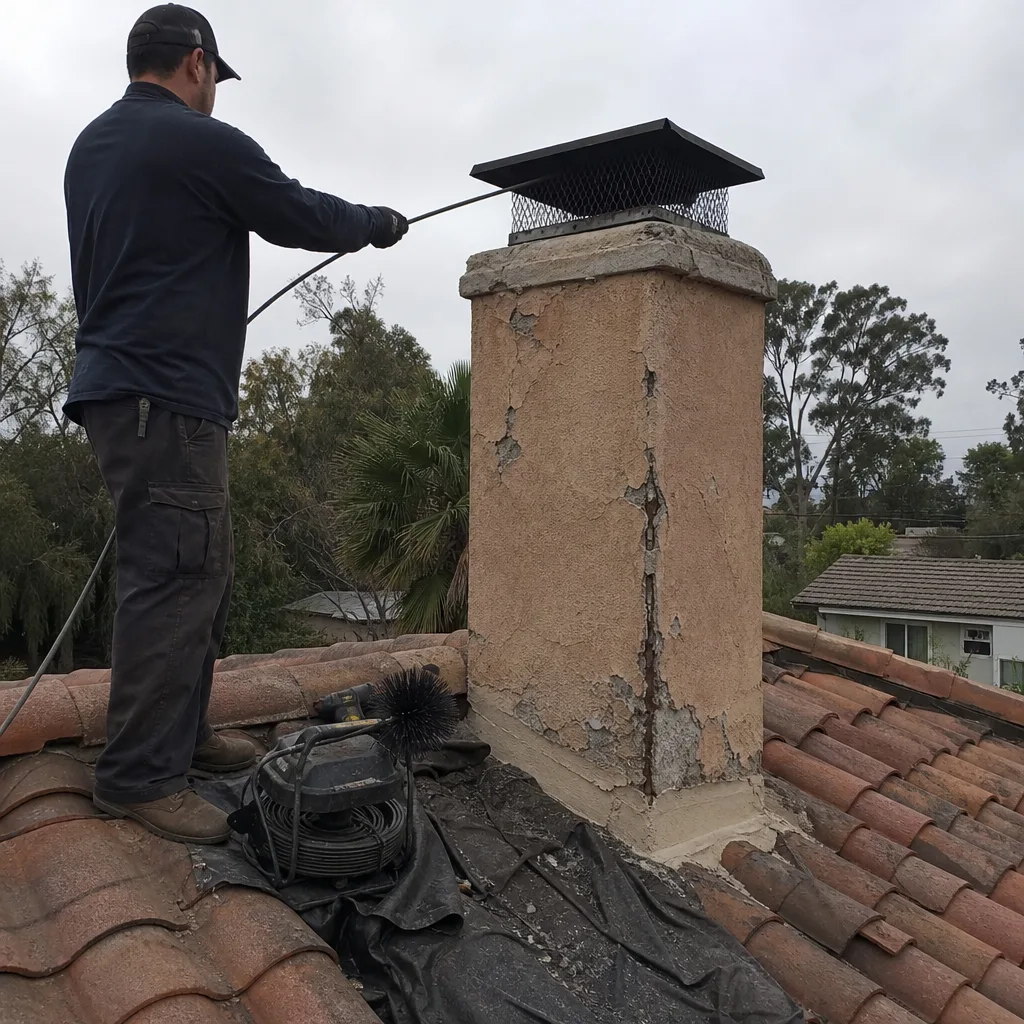 Before
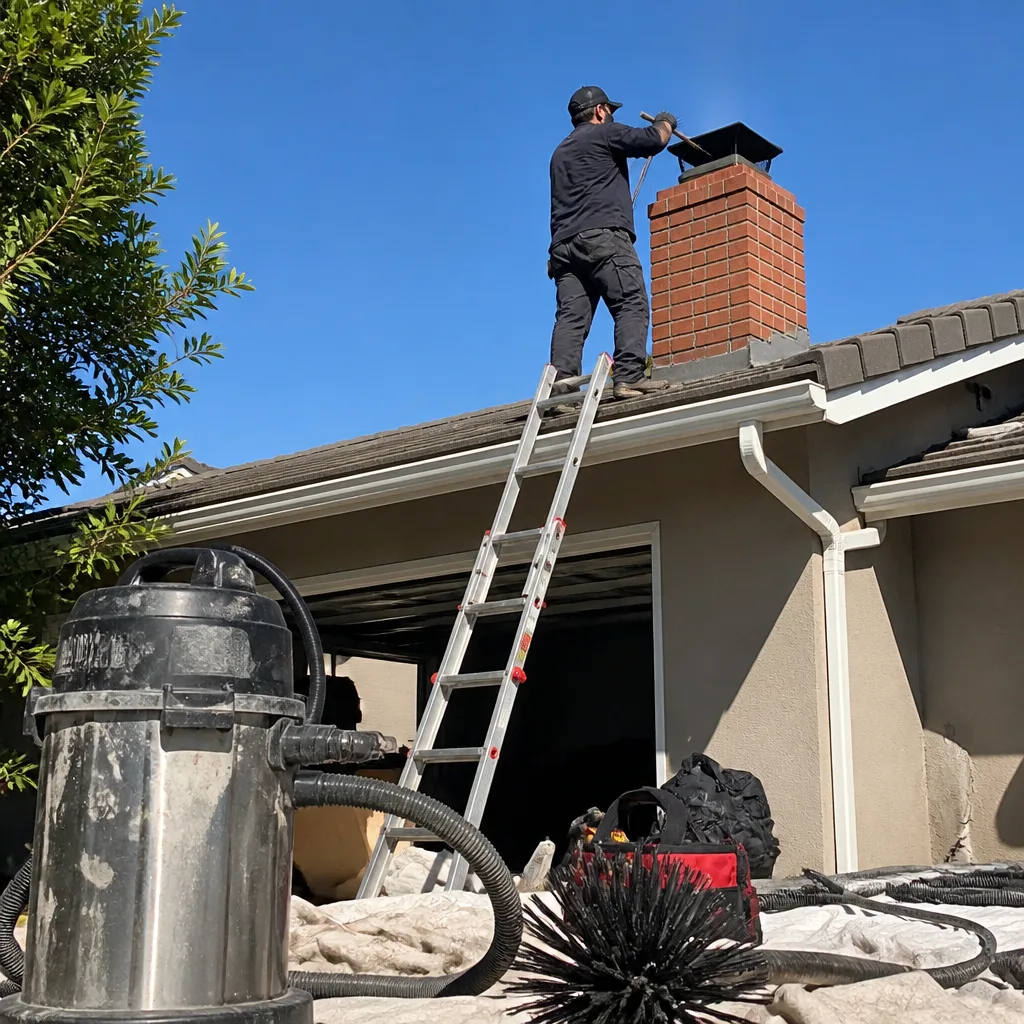 After
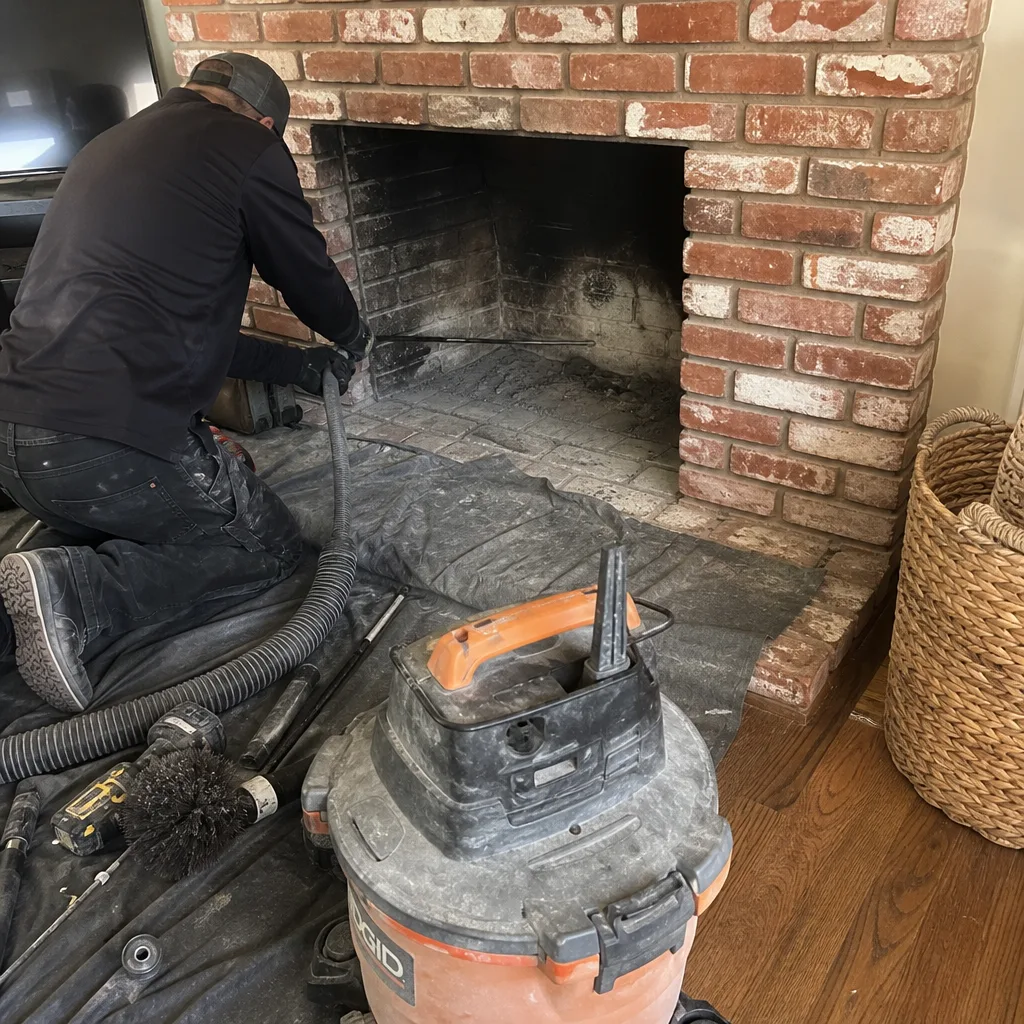 Before
 After
 Before
 After