
Last updated October 30, 2026
 Sweep & inspection
 Caps & crowns
 Flue relining
 Masonry repair
 Gas fireplace service
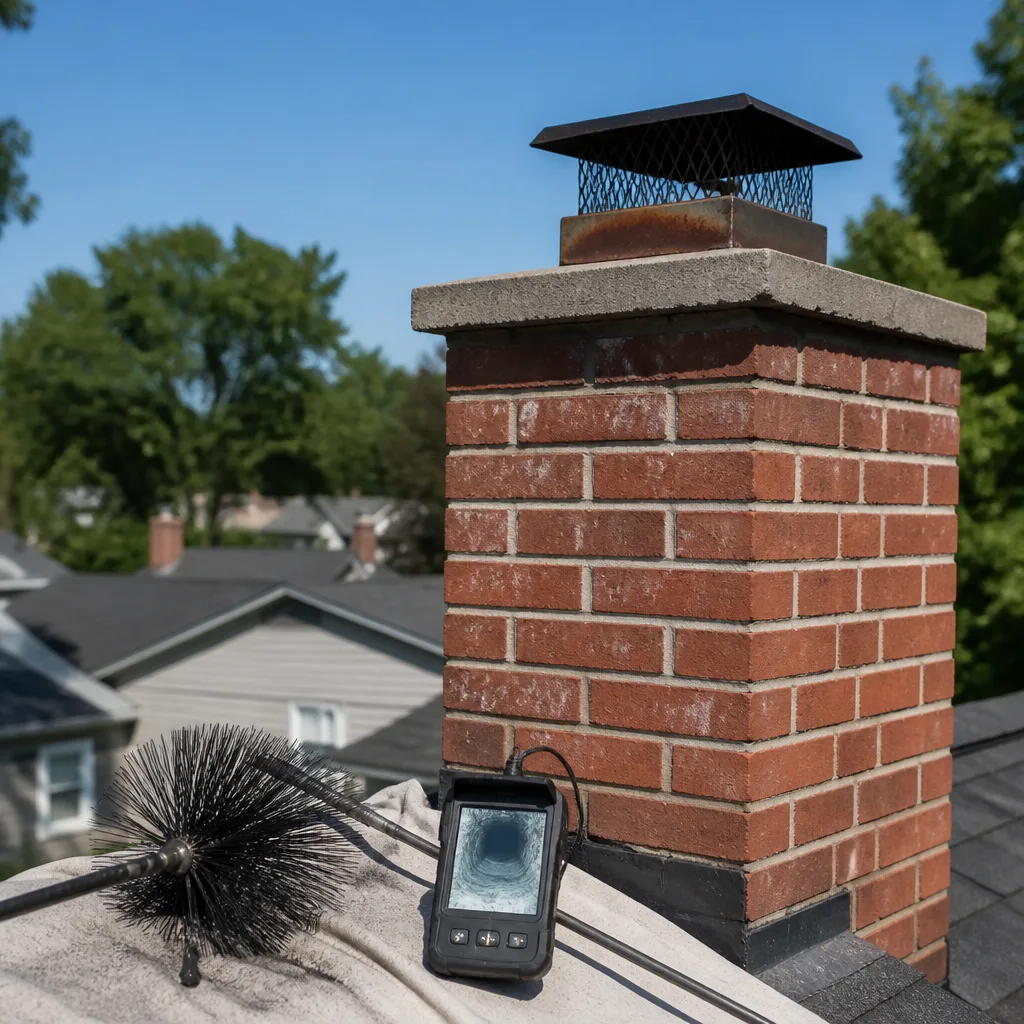
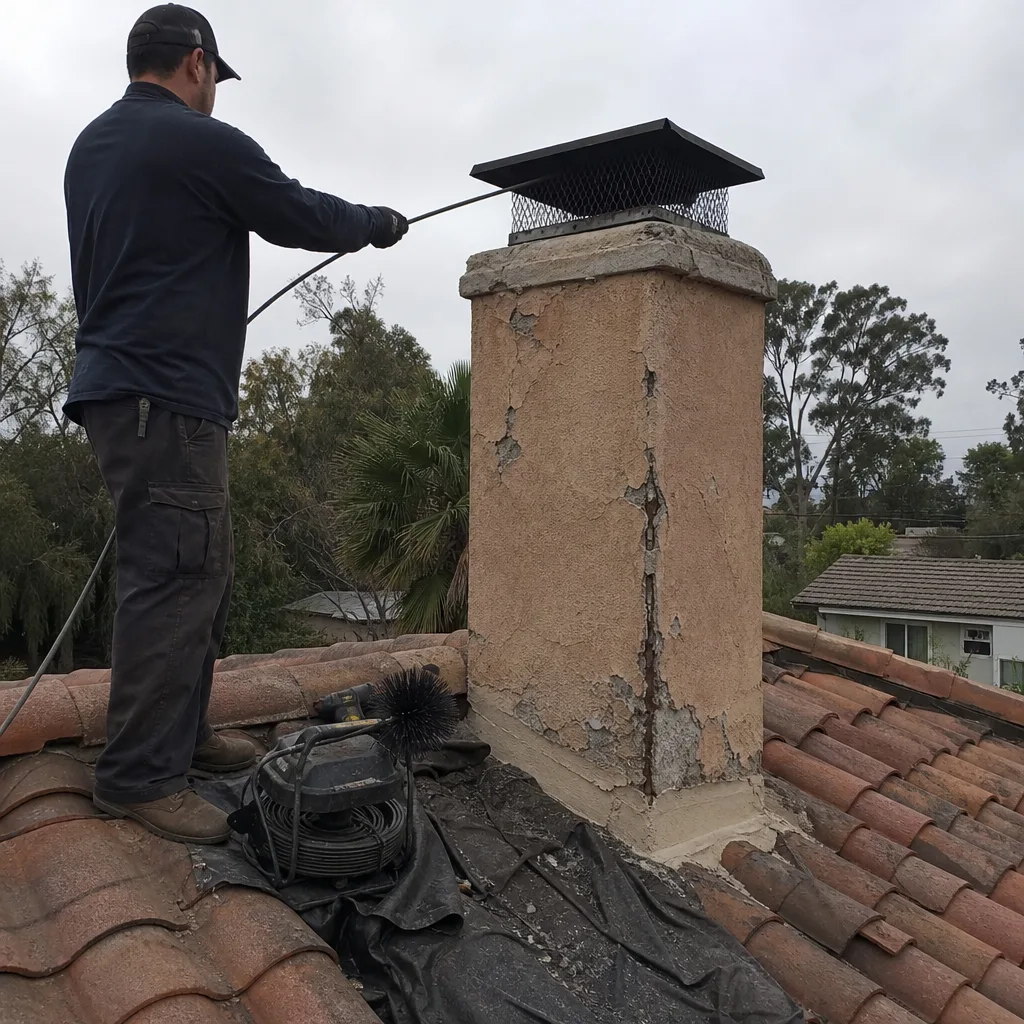
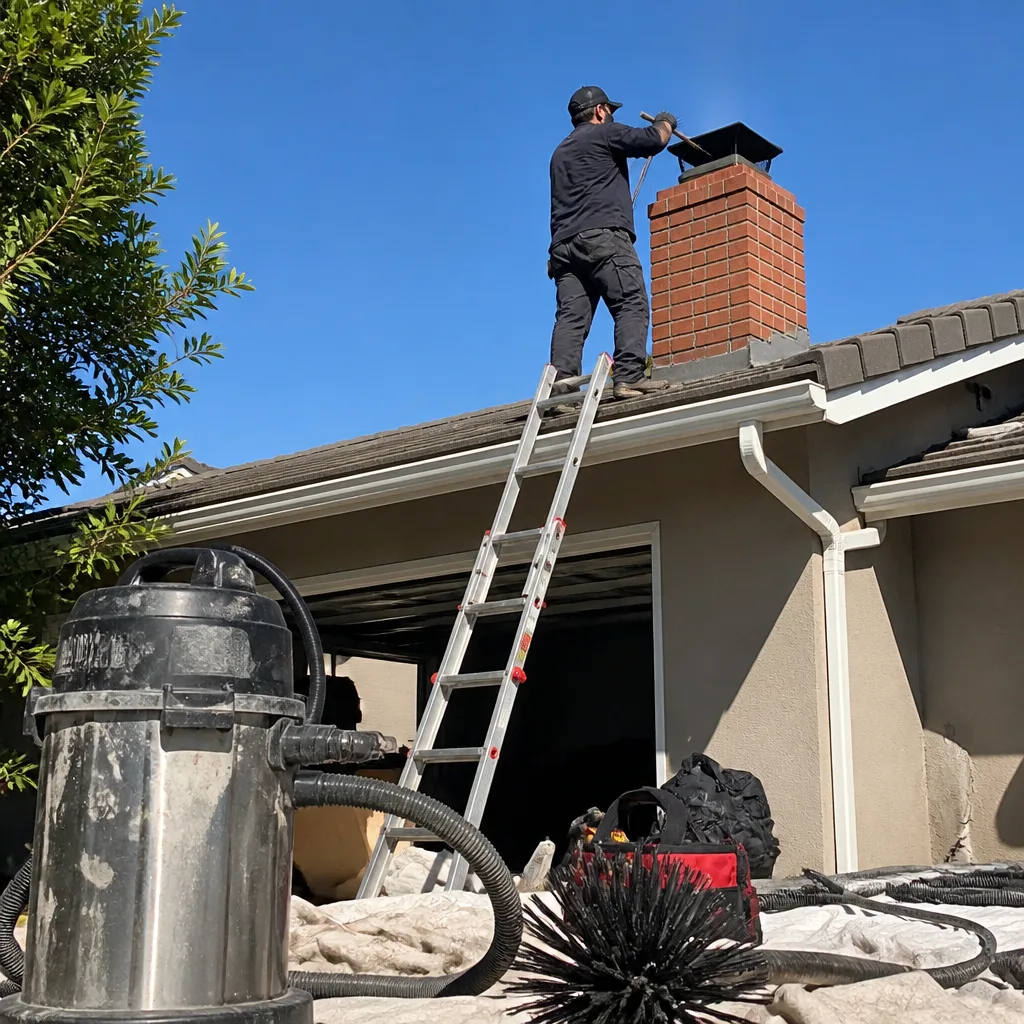
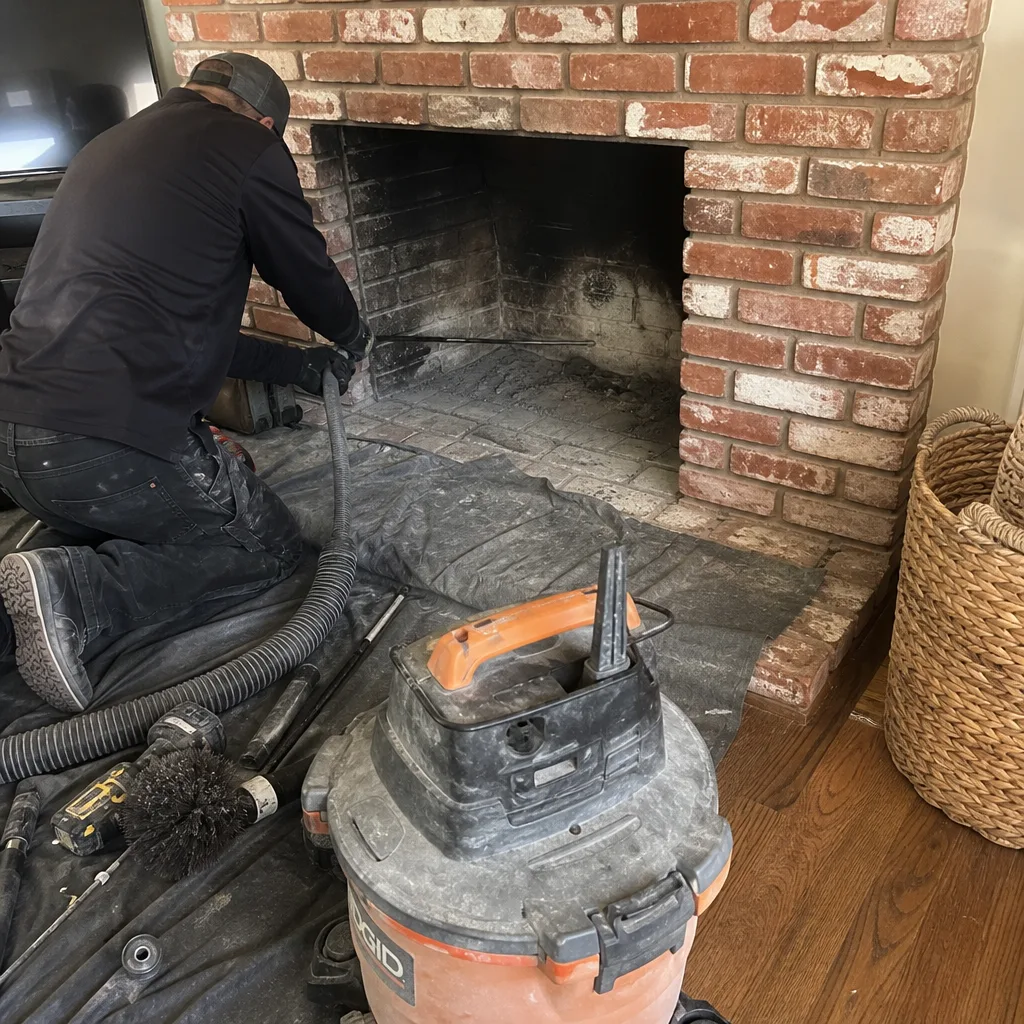
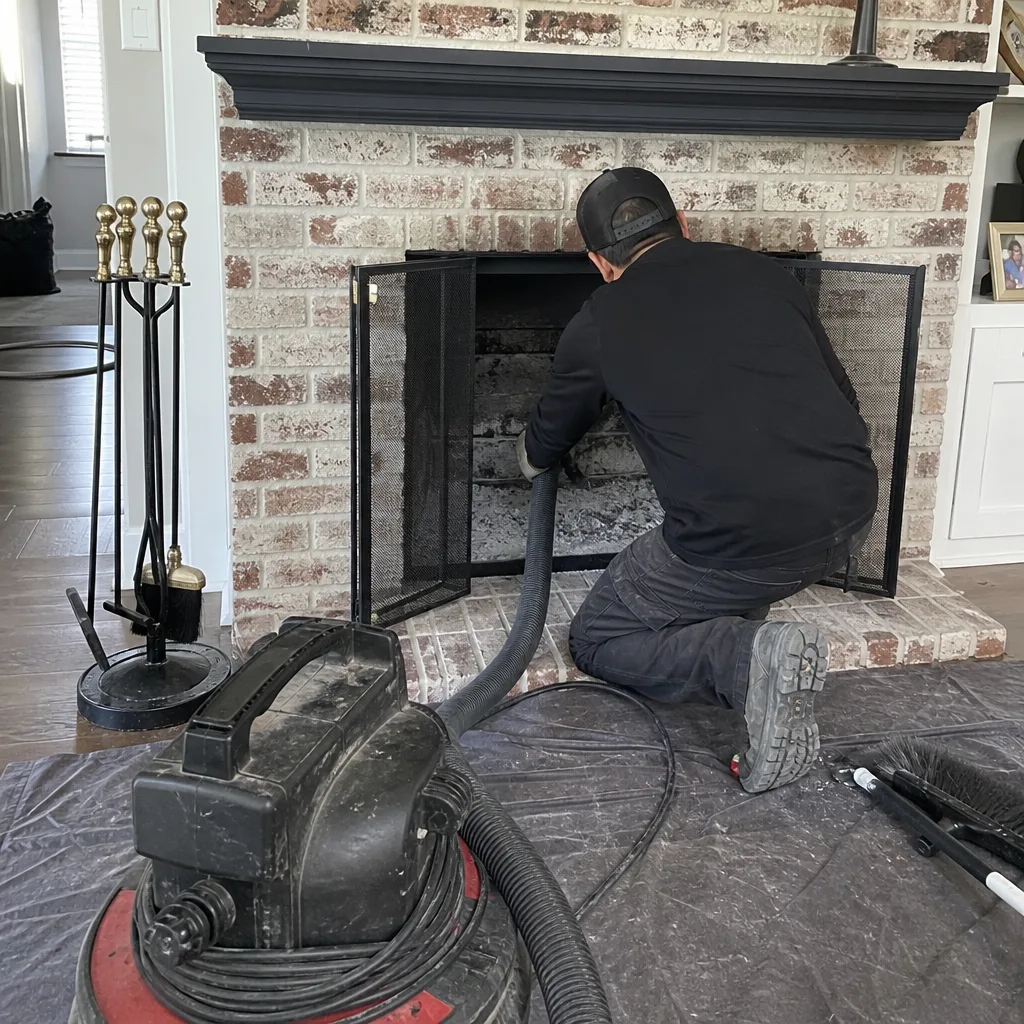
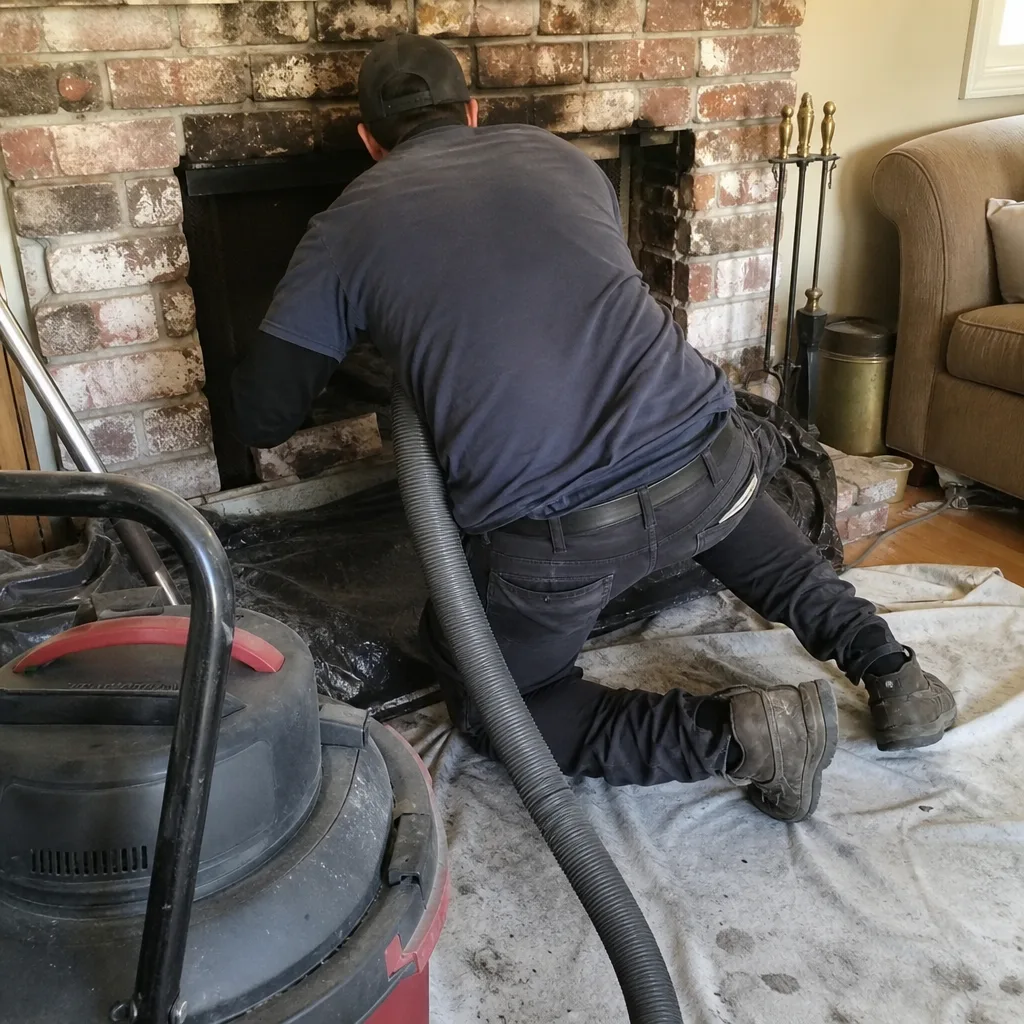
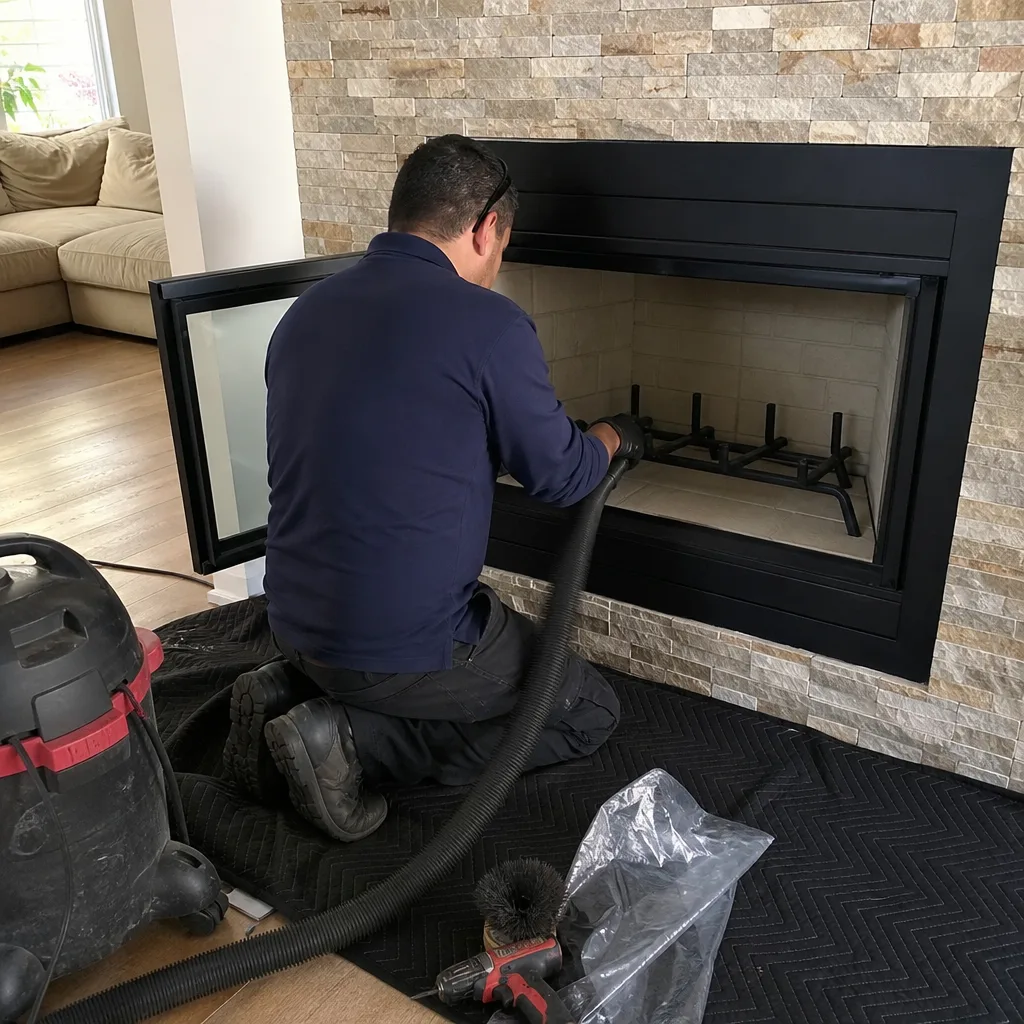
Level 1 sweep and inspection to the NFPA 211 annual standard - flue, crown, cap, and flashing checked and photographed
Chimney sweep logs do not sweep chimneys. They loosen some creosote - which then falls where a brush and vacuum still have to collect it.
Chimney Sweep Troubleshooting: Common Problems and How to Fix Them
A smoky living room after lighting a fire is almost never a creosote problem. It’s almost always a pressure or draft problem, and sweeping the flue won’t fix it. That single misunderstanding costs Orange homeowners thousands of dollars every year in unnecessary cleanings while the actual fault, often a failing damper seal or a negative-pressure issue caused by a newer HVAC system, keeps right on working. This guide breaks down the most common chimney problems by their real causes, not their surface symptoms, so you know what to look at, what to monitor, and what needs a Chimney Sweep technician before you light the next fire.
Styles & brands we work with
Quick Answer
Most chimney problems fall into three categories: draft failure, moisture intrusion, and creosote accumulation. Draft failure, which shows up as smoke backing into the room or a fireplace that won’t stay lit, is usually caused by negative air pressure in the house, a blocked flue, or a cold column of air sitting in the chimney, and none of these are fixed by a standard sweep alone. If you’re seeing white staining on exterior brick, that’s a masonry moisture problem that will eventually damage the flue liner. If you smell smoke between fires, you’re dealing with either draft reversal, creosote off-gassing, or a damper that no longer seals. The correct fix depends on which one you actually have.
Table of Contents
- The Three Draft Failure Patterns and How to Tell Them Apart
- Smoke Smell Between Fires: Three Causes, Three Fixes
- White Staining on Exterior Brick: Moisture Failure, Not Cosmetic
- Firebox vs. Flue vs. Cap: A Decision Tree Before You Call
- Monitor vs. No-Fire Advisory: What Can Wait and What Cannot
- Gas Insert Troubleshooting: Vents, Logs, and Carbon Monoxide
- The Dryer Vent Problem Most Chimney Companies Won’t Mention
- Common Mistakes to Avoid
- When to Call a Professional
- Frequently Asked Questions
- The Bottom Line
The Three Draft Failure Patterns and How to Tell Them Apart
Draft is the pressure difference between the inside of your chimney and the room it serves. When that difference collapses, smoke has no reason to go up, so it comes into the house. We see three distinct failure patterns in Orange homes, and each one requires a different fix. Homeowners who understand which pattern they’re seeing can have a much more productive conversation with any chimney technician.
Pattern 1: Negative house pressure. This is the most common draft failure in newer Orange homes and in older ones that have been remodeled. Modern construction seals houses tightly. Add a kitchen exhaust fan, a bathroom fan, or a furnace that draws combustion air from inside, and the house develops negative pressure relative to the outside. The chimney, which needs to be the highest-pressure point in the system, becomes the lowest. When you see smoke roll into the room only when a fan is running, or only when the furnace kicks on, or only when a window is closed, you’re looking at negative pressure. The fix is not a sweep. It’s make-up air: opening a window near the fire, installing a dedicated combustion air vent, or in some cases adding a powered draft inducer. We’ve seen this in homes across Orange where a new kitchen remodel with a strong range hood turned a previously fine fireplace into a smoke machine overnight.
Pattern 2: Blocked flue. A blocked flue is what most people imagine when they think chimney problem, and it does happen. The distinguishing symptom is smoke backing up immediately upon lighting, regardless of windows open or fans off. The block can be physical: a bird or squirrel nest that has dropped from a missing cap, a collapsed tile liner, heavy creosote that has narrowed the flue opening, or even a dead animal. It can also be partial, which produces weak draft and a fire that struggles to stay lit. The fix starts with an inspection, often a camera inspection, to see the actual blockage before any decision is made.
Pattern 3: Cold air column. A masonry chimney sits outside the thermal envelope of the house. On a cold Orange morning, the air inside that chimney can be denser and heavier than warm room air. Light a fire, and the smoke hits that cold plug and spills back into the room. The symptom is specific: the first five to ten minutes of a fire are smoky, then the draft catches and the rest of the burn is fine. The fix is priming the flue: holding a rolled-up lit newspaper or a small starter fire near the open damper for a minute before lighting the main fire. It’s a technique, not a repair, but if priming doesn’t work after several tries, you may have a flue that’s oversized for the fireplace opening, a structural issue, or an outside-mounted chimney that needs insulation.
Smoke Smell Between Fires: Three Causes, Three Fixes
A fireplace that smells like smoke when no fire has burned for days is sending a signal. The signal is not always danger, but it’s always worth decoding. There are three distinct causes, and telling them apart requires paying attention to weather, to how the smell behaves, and to the condition of the damper.
Cause 1: Draft reversal. On humid or warm days, or when the house is running exhaust fans heavily, the chimney can act in reverse. Air flows down the flue and into the living room, carrying the smell of creosote and old soot with it. You’ll smell it on days when the house is closed up and no fire has burned in weeks. The fix is usually a top-sealing damper, which seals the flue at the top of the chimney instead of just above the firebox. This keeps outdoor air from entering the flue at all. In Orange’s summer months, when the fireplace sits unused for long stretches, draft reversal is the most common cause of that stale smoke smell.
Cause 2: Creosote off-gassing. Creosote is a byproduct of wood combustion. It builds up on the flue walls. When humidity rises, creosote absorbs moisture and releases odor. The smell intensifies before rain or during humid periods. A standard sweep removes the buildup and the odor goes with it. The most important distinction here is that off-gassing is a symptom of buildup, and buildup is a symptom of burning unseasoned wood or burning at low temperatures. Fix the creosote and you fix the smell, but the real fix is adjusting what gets burned and how.
Cause 3: Damaged damper seal. A traditional throat damper sits just above the firebox. It’s a cast-iron plate that closes off the flue when the fireplace is not in use. Over years of heating and cooling, the seal warps, corrodes, or fails at the gasket. The result is a small but constant path for flue air to travel into the room. The fix is replacing the damper with a new unit or upgrading to a top-sealing damper that also stops chimney air from cooling the flue. We regularly find warped dampers in Orange homes where the fireplace was used heavily for a decade or more and then abandoned.
White Staining on Exterior Brick: Moisture Failure, Not Cosmetic
White chalky staining on exterior brick is called efflorescence. It happens when water moves through masonry and carries dissolved salts to the surface. When the water evaporates, the salts remain. Efflorescence itself is not structural damage, but it is direct evidence that water is entering the chimney system in a place where it should not be. Treating it as a cosmetic issue, brushing it off, painting over it, and calling it done leaves the underlying water entry point open and active.
What efflorescence predicts about the flue liner is straightforward: water that migrates through brick eventually reaches the flue liner. Clay tile liners crack under the repeated freeze-thaw expansion in Orange’s occasional cold snaps. Once cracked, the liner no longer contains heat and combustion gases properly. That’s the sequence: moisture in the masonry, cracked liner, compromised chimney. Homeowners who ignore efflorescence are usually paying for a liner replacement a few years later instead of a crown repair or repointing job that would have stopped the water at the source.
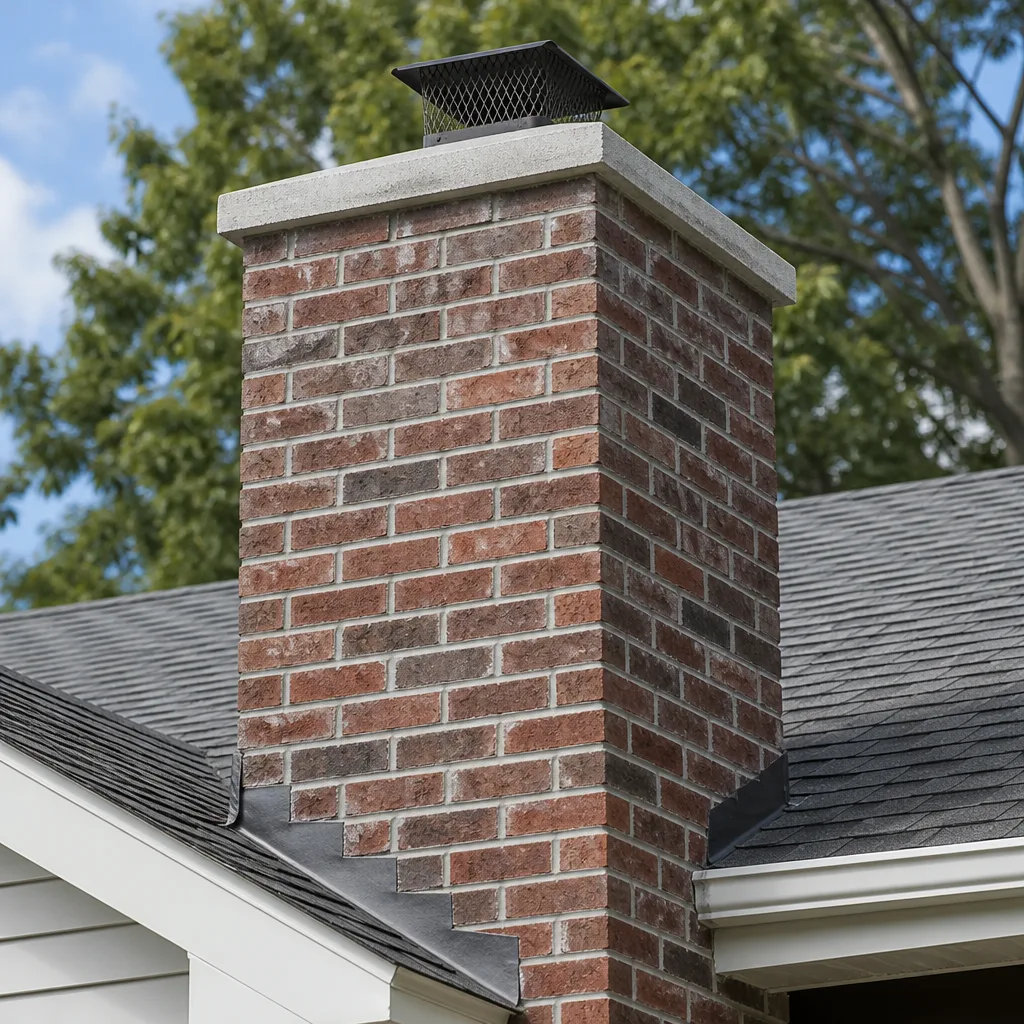
The fix almost always begins at the top of the chimney. A cracked or missing crown lets rain drive directly into the structure. Missing or deteriorated mortar joints let water seep in along the entire height. A damaged or absent cap lets in far more than rain: birds, squirrels, and leaves. The proper diagnosis includes a visual inspection of the crown, the cap, and the mortar joints, and sometimes a moisture reading in the attic around the chimney. Efflorescence is a warning sign that the water problem exists; the repair is addressing where the water is getting in, not scrubbing the brick clean.
Firebox vs. Flue vs. Cap: A Decision Tree Before You Call
When something is wrong with a fireplace, the question is always: where is the failure, the firebox, the flue, or the cap? Homeowners who can narrow it down save time and avoid paying for a service call that doesn’t address the problem. Here’s the decision tree we use when talking someone through a chimney issue on the phone.
- Does the problem happen only when a fire is burning? If yes, continue. If no, move to step 4. Smoke while burning points to a draft problem in the flue or the firebox. A smell when no fire burns points to draft reversal, off-gassing, or a damper seal.
- Does smoke back up immediately or after the fire has been burning for a while? Immediate smoke points to a cold flue or a blockage. Smoke that starts after ten or fifteen minutes points to a flue that’s heating properly at first but then losing draw, which often indicates a partial blockage, an undersized flue, or a chimney terminating too low relative to the roofline.
- Does the smoke respond to opening a window? If opening a window near the fireplace fixes the problem, it’s negative house pressure, a firebox and room-pressure issue, not a flue problem. If opening a window does nothing, the blockage or cold column is in the flue itself.
- Is there water or staining inside the firebox? Water in the firebox after rain points to the cap or the crown. Staining on the damper or firebox walls points to moisture entering from above. Both require an inspection of the top of the chimney.
- Is there debris at the base of the flue, or can you hear animal sounds? Debris and animal activity point to a damaged or missing cap. The cap is the first line of defense for the entire flue, and it is the part most often overlooked.
This tree is not a substitute for a real inspection. It’s a way to describe the problem accurately when you call. A technician who hears “smoke backs up immediately and opening a window doesn’t help” knows they’re looking at a flue inspection first. A homeowner who can say that saves a diagnostic trip. We work this way in Orange because a precise problem description gets the right person and the right equipment to the house the first time.
Monitor vs. No-Fire Advisory: What Can Wait and What Cannot
Not every chimney issue demands immediate action. Some conditions can be safely monitored between annual inspections. Others require a hard stop on fireplace use until a technician has looked at the system. The distinction matters because burning in a compromised chimney can turn a repairable problem into a house fire or a carbon monoxide event.
Safe to monitor: Minor efflorescence that appears only after heavy rain and dries quickly can be watched, provided the chimney is inspected annually and the water entry point is on the schedule to be addressed. A faint smoke smell on humid days that goes away when the weather changes is likely draft reversal, not structural. A fire that’s slow to catch on the first cold morning but burns cleanly after priming is a cold column, not a repair. In all these cases, use the fireplace normally and report the symptom at the next inspection. The key is that the symptom is intermittent and tied to identifiable conditions, not constant or worsening.
No-fire advisory: Any visible crack in the firebox or the flue tiles, any water actively entering the firebox, any strong smoke smell that does not go away when weather changes, any sign of animal nesting, and any fire that has burned hot enough to damage the damper or the flue. In these cases, do not light another fire until a technician has inspected the system. A cracked flue liner is not visible from the firebox, which is why a camera inspection is used to check the flue walls. Carbon monoxide from a compromised chimney can collect in the house without any smoke or visible warning. The rule we use: if you would not fly in a plane with a known crack in the wing, do not burn in a fireplace with a known crack in the flue.
For homeowners in Orange, the Chimney Sweep in Orange service includes this full inspection, so the answer to “can this wait?” is always a phone call away.
Gas Insert Troubleshooting: Vents, Logs, and Carbon Monoxide
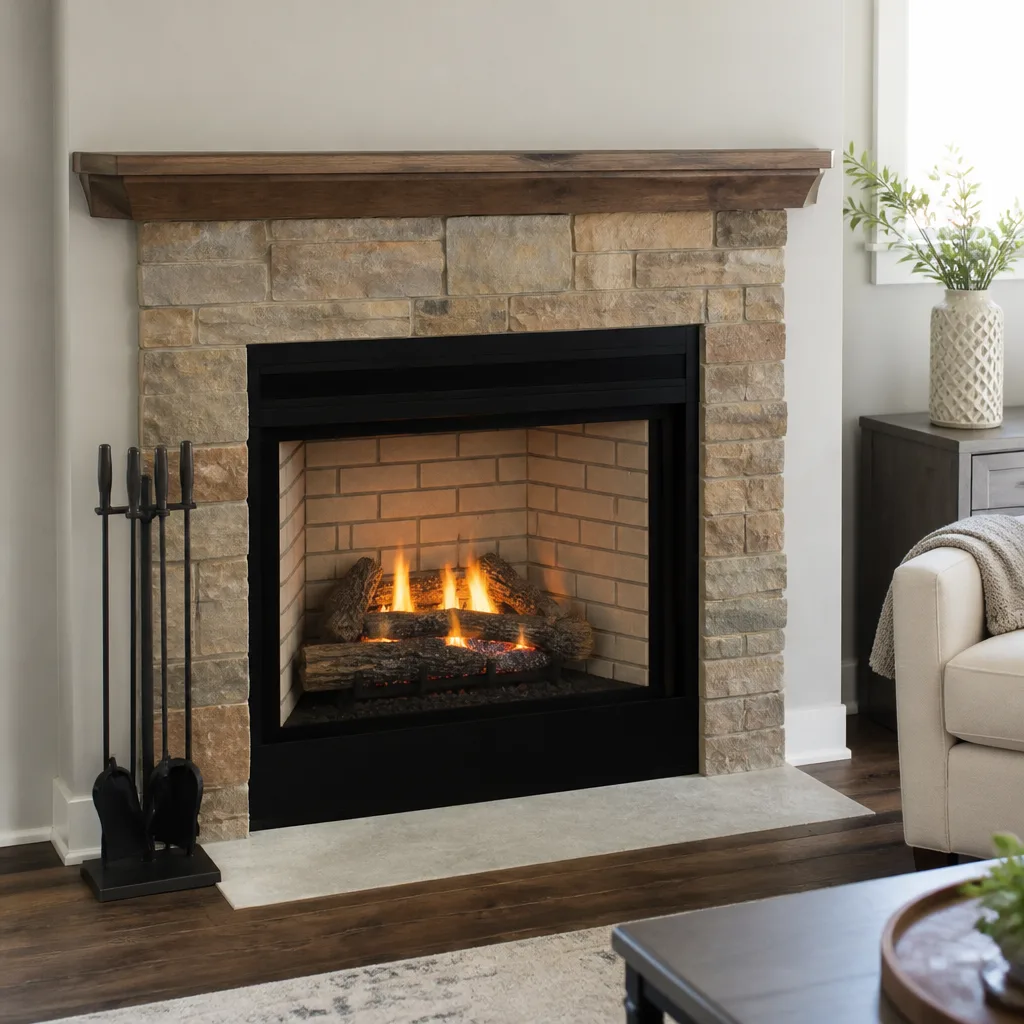
Gas fireplace inserts burn cleaner than wood, but they are not maintenance-free. The venting system, the gas line, and the log set all have failure modes that show up differently, and one of them, carbon monoxide, shows no visible symptom at all. This is the part where we tell every homeowner with a gas insert to own a working carbon monoxide detector in the same room as the fireplace.
Vent problems. A gas insert vents through a small-diameter pipe, usually run up an existing chimney or through an exterior wall. If the vent is blocked, the symptoms are delayed ignition, a lazy or yellow flame instead of a sharp blue one, soot on the glass, or the unit shutting down unexpectedly. Blocked vents are often caused by bird nests, debris, or disconnected joints. A vent that has separated inside the wall or chimney allows combustion gases to accumulate in the house, which is the carbon monoxide scenario. This requires immediate attention and the fireplace should be shut off.
Log and burner problems. Soot build-up on the logs or glass usually indicates incorrect gas pressure or an improper air-to-fuel mixture, not just a cleaning issue. A technician can adjust the air shutter and verify gas pressure with a manometer. Homeowners should not attempt gas pressure adjustments. Cleaning the glass and vacuuming the logs is safe and useful, but the flame color and burner pattern are diagnostic information for a pro.
Carbon monoxide. We put this in its own category because it is the failure that gives no symptom until it’s serious. CO is colorless and odorless. The only reliable alert is a detector. If a CO alarm sounds near a gas fireplace, shut the unit off, ventilate the house, and call a technician. Do not run the unit again until it has been inspected. The Chimney Repair in Orange page covers the venting repairs that gas inserts commonly need.
The Dryer Vent Problem Most Chimney Companies Won’t Mention
The clothes dryer is the household fire hazard that lives in plain sight. The U.S. Fire Administration identifies dryer vent fires as the leading cause of appliance-related home fires, and the mechanism is simple: lint builds up in the vent pipe, restricts airflow, and overheats until something ignites. What’s less simple is that most chimney companies don’t offer dryer vent cleaning at all. Homeowners are left to figure out that a chimney sweep and a dryer vent cleaning are two different service calls.
The connection to chimney work is closer than most people think. Both systems move heated air and combustion byproducts out of the house through a confined passage. Both fail when the passage narrows. Both are inspected the same way: with a camera, from the inside. And both benefit from the same professional-grade approach to materials and access. Where dryer vents differ is speed of accumulation. A dryer vent can go from borderline to dangerous in a single year of heavy laundry use. The symptom that people miss: clothes taking longer to dry, a dryer that’s hot to the touch on the outside, a burning smell during cycles, or the vent flap on the exterior wall not opening when the dryer runs. All of these are clog warnings, and all of them resolve with a proper vent cleaning.
The Dryer Vent Cleaning in Orange service covers this as a dedicated offering, not an afterthought. A full inspection includes a camera view of the vent interior, so you can see for yourself whether the line is clear or obstructed. The key difference between a real cleaning and a partial one is whether the entire run, from the dryer connection to the exterior termination, is cleared. Partial cleaning leaves the most dangerous lint at the far end of the line.
Common Mistakes to Avoid
- Sweeping the flue when the problem is air pressure. If a fireplace smokes only when the kitchen fan runs or the windows are closed, a sweep does nothing. The house needs make-up air, not a cleaner flue.
- Ignoring efflorescence because it looks cosmetic. White staining is evidence of water entry. The longer it sits unaddressed, the more likely a cracked flue liner becomes.
- Burning unseasoned wood to save money. Wet wood creates low-temperature fires, which create creosote faster. The savings on wood are lost on extra sweeps and eventual liner damage.
- Assuming a gas fireplace needs no maintenance. Gas inserts have vents that clog and gas pressures that drift. Annual inspection is just as important as with a wood system.
- Painting over chimney brick. Paint traps moisture inside the masonry. Repointing and sealing are the correct repairs. Paint makes the problem worse over time.
- Treating a dryer that takes forever as an appliance problem. Slow drying is a venting problem in most cases, and a vent clog will not fix itself.
- Hiring a sweep-only company for a structural issue. A company that can sweep but not repair will find problems and then hand you off to someone else. Choose a company that does the repair in the same visit.
When to Call a Professional
Call a chimney professional when smoke backs into the house after you’ve ruled out negative pressure with an open window test. Call when you see efflorescence, water in the firebox, or debris falling into the fireplace. Call when the smoke smell between fires doesn’t go away with weather changes, or when a carbon monoxide alarm sounds near a gas insert. Call when your dryer takes twice as long to dry a load. These conditions all share one thing: none of them resolve on their own, and some of them are active fire or CO hazards. A trained technician with the right equipment, including a camera for flue and vent inspection, can give you a definitive answer in one visit; explore more guides & resources on our blog to stay informed. Prestige Chimney offers free estimates in Orange, call (833) 407-0587.
Frequently Asked Questions
A standard chimney sweep and inspection in Orange typically ranges from $180 to $340 depending on the condition of the flue, the level of creosote, and whether any repairs are identified during the process. The inspection is the more important part of the service, since it catches the problems that a sweep alone will never fix. Call (833) 407-0587 for an exact quote, estimates are free.
Not always. A cracked clay tile liner can sometimes be restored with a HeatShield application, which resets the flue walls with a ceramic material and often avoids a full replacement. The decision depends on the extent of the damage and the condition of the surrounding masonry. A camera inspection gives you a definitive answer, and the repair can usually be done in the same visit as the sweep.
The National Fire Protection Association recommends a chimney inspection at least once a year, and sweeping whenever creosote buildup reaches 1/8 inch or more on the flue walls. For regular wood burners in Orange, that usually means an annual sweep as part of the inspection. Gas fireplaces should also be inspected annually, even though they don’t produce creosote, because vent blockages and gas pressure drift are common.
One skipped year on an otherwise well-maintained fireplace is rarely dangerous, but the risk compounds quickly. Creosote builds up fastest in the first season after a cleaning, and a flue that was borderline last year can be a fire hazard this year. The more serious consequence is a missed structural issue, a cracked liner or a failing crown, that gets worse and more expensive the longer it sits.
A summer smoke smell is almost always draft reversal: warm outdoor air sinks down the chimney and carries old creosote odor into the house. The fix is a top-sealing damper that closes the flue at the top of the chimney. If the smell persists after installing a top-sealing damper, the cause may be creosote buildup or a failing throat damper.
At Prestige Chimney, yes. The Dryer Vent Cleaning in Orange service is a dedicated offering by the same team. Most chimney companies don’t do dryer vents, which leaves homeowners to find a second contractor, but the skills and equipment transfer directly: camera inspection, full-length cleaning, and verification of airflow.
The Bottom Line
Chimney problems almost never announce themselves directly. What you notice is the symptom: smoke in the room, a smell between fires, white staining on brick, a dryer that takes too long. The actual failure is usually one step removed, a pressure imbalance, a cracked crown, a warped damper, a clogged vent. Homeowners who learn to read the clues make better decisions about when to monitor, when to call, and what to ask for. The most useful thing you can do with a chimney is inspect it before it becomes a situation. That’s what annual service is for, and that’s what the Prestige Chimney home service is built around: sweep, repair, and dryer vent care under one roof, done right the first time.
Written by the team at Prestige Chimney, serving Orange since 2017.
See the difference
 Before
 After
 Before
 After
 Before
 After