
Last updated October 30, 2026
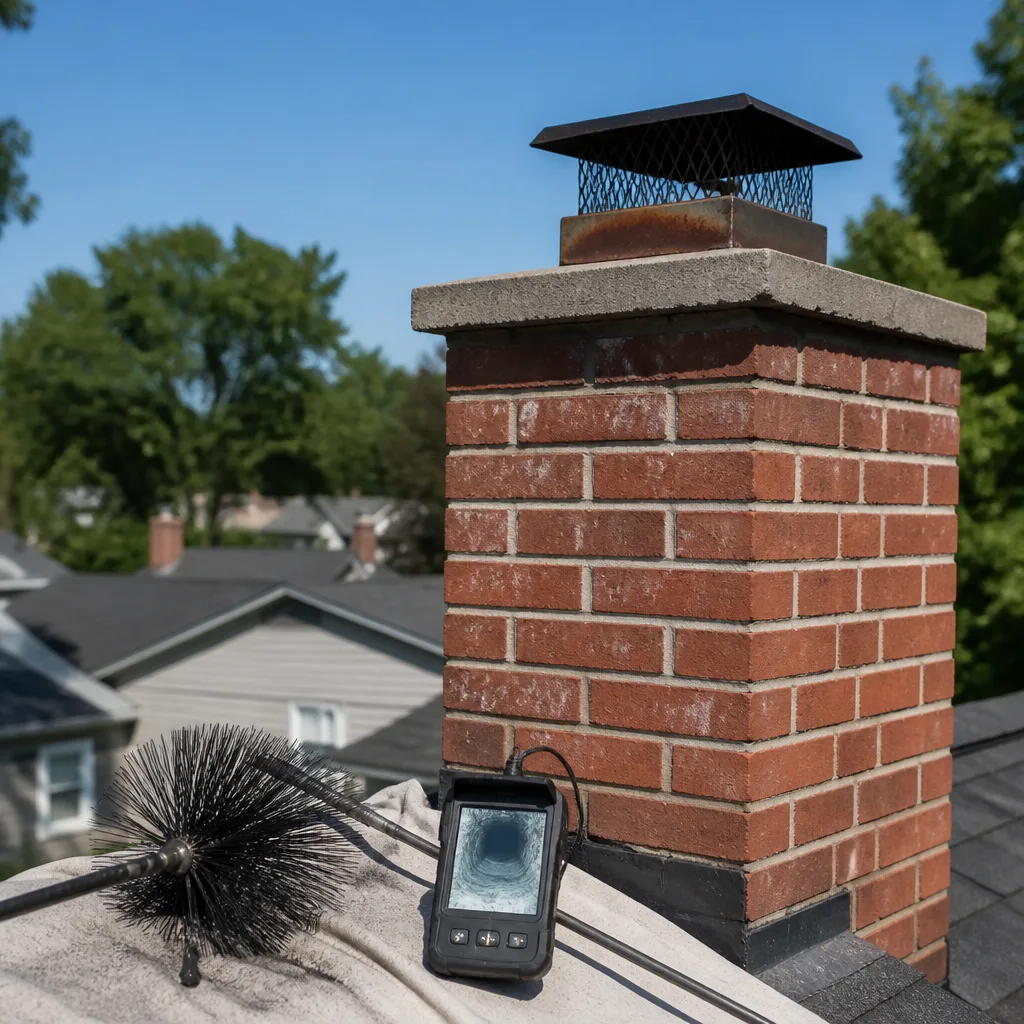 Sweep & inspection
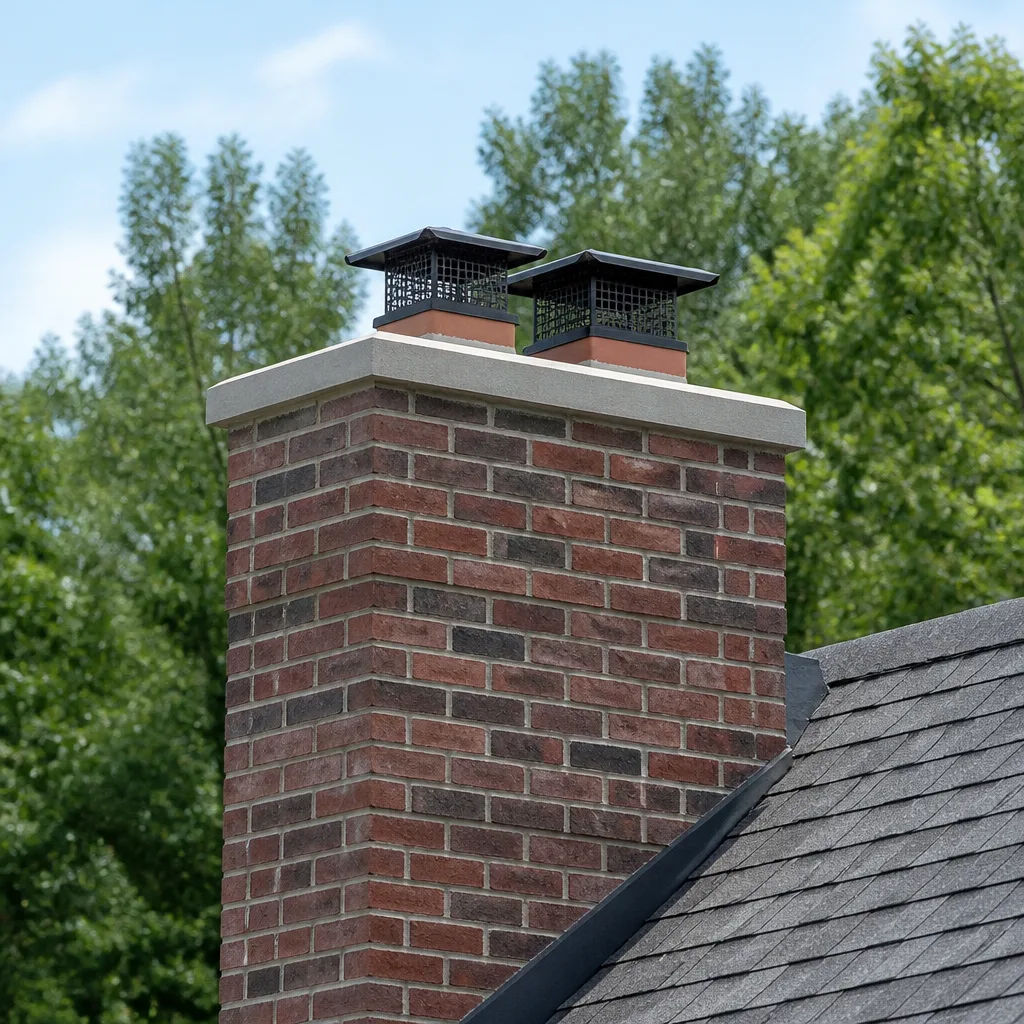 Caps & crowns
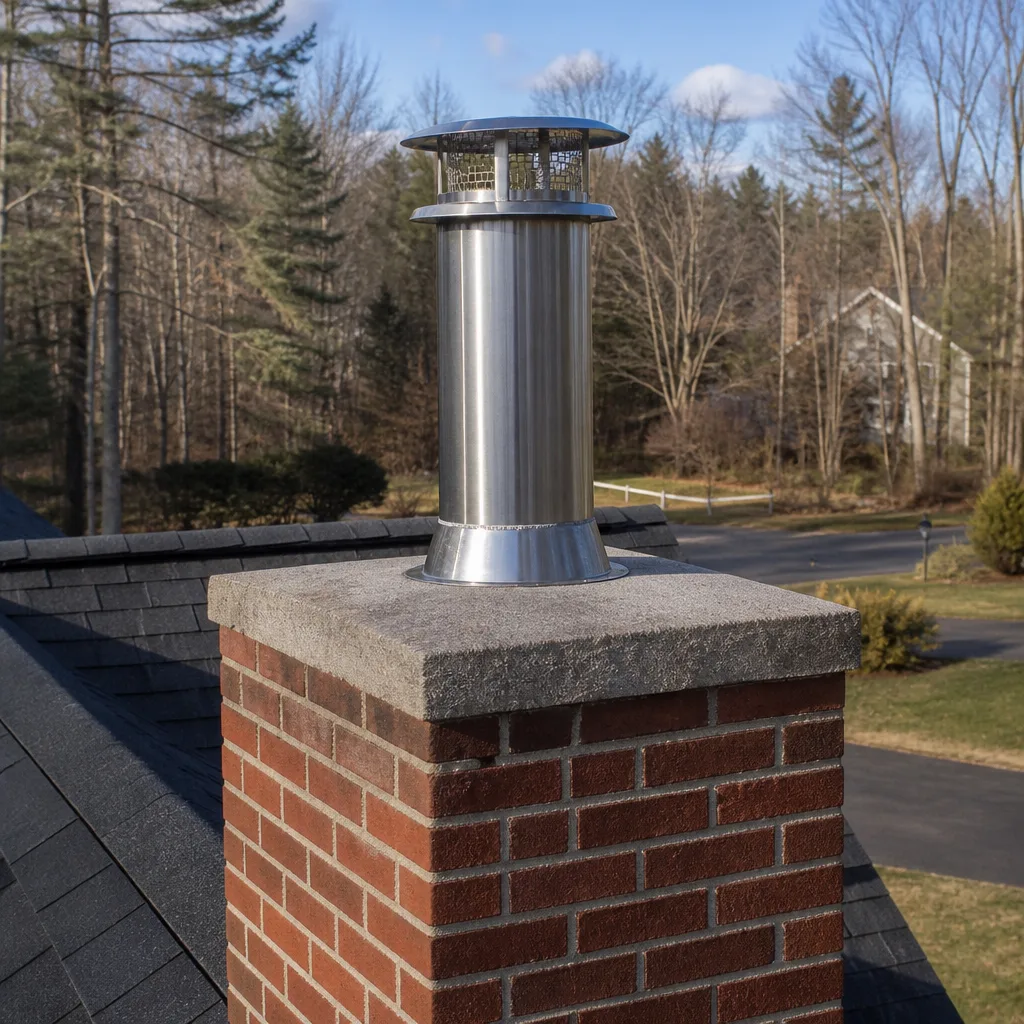 Flue relining
 Masonry repair
 Gas fireplace service
Level 1 sweep and inspection to the NFPA 211 annual standard - flue, crown, cap, and flashing checked and photographed
Chimney sweep logs do not sweep chimneys. They loosen some creosote - which then falls where a brush and vacuum still have to collect it.
The Complete Guide to Chimney Cleaning in Orange
Here’s a counterintuitive fact about chimney safety in Orange: a fireplace used only 10 times a year is statistically more likely to harbor a bird or rodent nest than one used 60 times. Intermittent heat never deters colonization the way sustained use does. In Orange’s Mediterranean climate, where winters are mild and fireplaces are often decorative rather than essential, chimneys sit dormant for months at a time. That dormancy invites nesting, moisture accumulation, and silent deterioration. This guide covers what Orange homeowners actually need to know about chimney cleaning: what a proper sweep includes, what it costs, which inspection level you need, and how to avoid the contractors who skip steps. By the end, you’ll understand why cleaning is really a system-integrity check, not a soot-removal task.
Quick Answer
Chimney cleaning in Orange typically costs $180 to $340 for a standard sweeping, depending on chimney condition, accessibility, and whether you bundle it with an inspection. A complete appointment should include a rotary brush sweep, a video scan of the flue, and a smoke chamber inspection. In Orange’s climate, the bigger risk isn’t heavy creosote buildup from frequent fires; it’s animal nesting and moisture damage that develop during long periods of disuse. Most Orange homeowners need a Level 2 inspection, not just a basic sweep, before lighting the first fire of the season. Call Prestige Chimney home for a free estimate at (833) 407-0587.
Styles & brands we work with
Table of Contents
- Why Orange’s Climate Changes the Chimney Cleaning Equation
- What a Complete Chimney Cleaning Actually Includes
- Level 1, Level 2, and Level 3 Inspections: What Orange Homeowners Need
- Coastal Proximity and Corrosion: The Inspection Items Sweeps Miss
- How to Tell If Your Contractor Skipped Steps
- The Single-Contractor Advantage: Sweep, Repair, and Dryer Vent in One Visit
- How Often Should You Clean a Chimney in Orange?
- How Much Does Chimney Cleaning Cost in Orange?
Why Orange’s Climate Changes the Chimney Cleaning Equation
Most chimney cleaning advice published online is written for cold-climate homeowners who burn wood five months a year. Orange is different. Our Mediterranean climate means short, mild winters and long stretches where the fireplace never gets lit. That changes the hazard profile entirely.
In heavy-use chimneys, the primary concern is creosote: a flammable tar that condenses inside the flue when wood smoke cools rapidly. Creosote buildup is real, and it causes chimney fires. But in Orange, where a fireplace might get used 20 times between November and February, creosote rarely accumulates to dangerous levels in a single season. The hazards we see most often in Orange are different:
- Animal nesting. Chimneys that sit cold from March through October become prime real estate for birds, squirrels, and raccoons. We routinely pull out nests from chimneys in older Orange neighborhoods near Chapman Avenue and around the Plaza. A nest blocks airflow, and the dry twigs and debris are highly combustible.
- Moisture-driven deterioration. Orange’s winter rain, combined with long periods where no fire dries out the flue, lets moisture soak into masonry. Over time, that causes mortar joints to erode and brick faces to spall. We see this pattern consistently in Orange chimneys that go unused for most of the year.
- Debris accumulation. Leaves, soot, and small animal remains collect in the smoke shelf and firebox. Without the regular “burn-off” that a frequently used chimney gets, this debris sits and decomposes.
If you’re among the many Orange homeowners who treat the fireplace as a holiday ambiance feature rather than a heating system, you’re not off the hook for cleaning. You’re actually in a higher-risk category for the specific problems above. The good news: these problems are detectable and fixable during a routine Chimney Sweep in Orange appointment, as long as the contractor is actually looking for them rather than just running a brush up the flue.
What a Complete Chimney Cleaning Actually Includes
A legitimate chimney cleaning is a four-part process. If a contractor quotes you $99 and shows up with a shop vac and a brush from Home Depot, you’re getting a dust removal, not a chimney cleaning. Here’s what the full protocol looks like:
1. Pre-Sweep Inspection and Setup
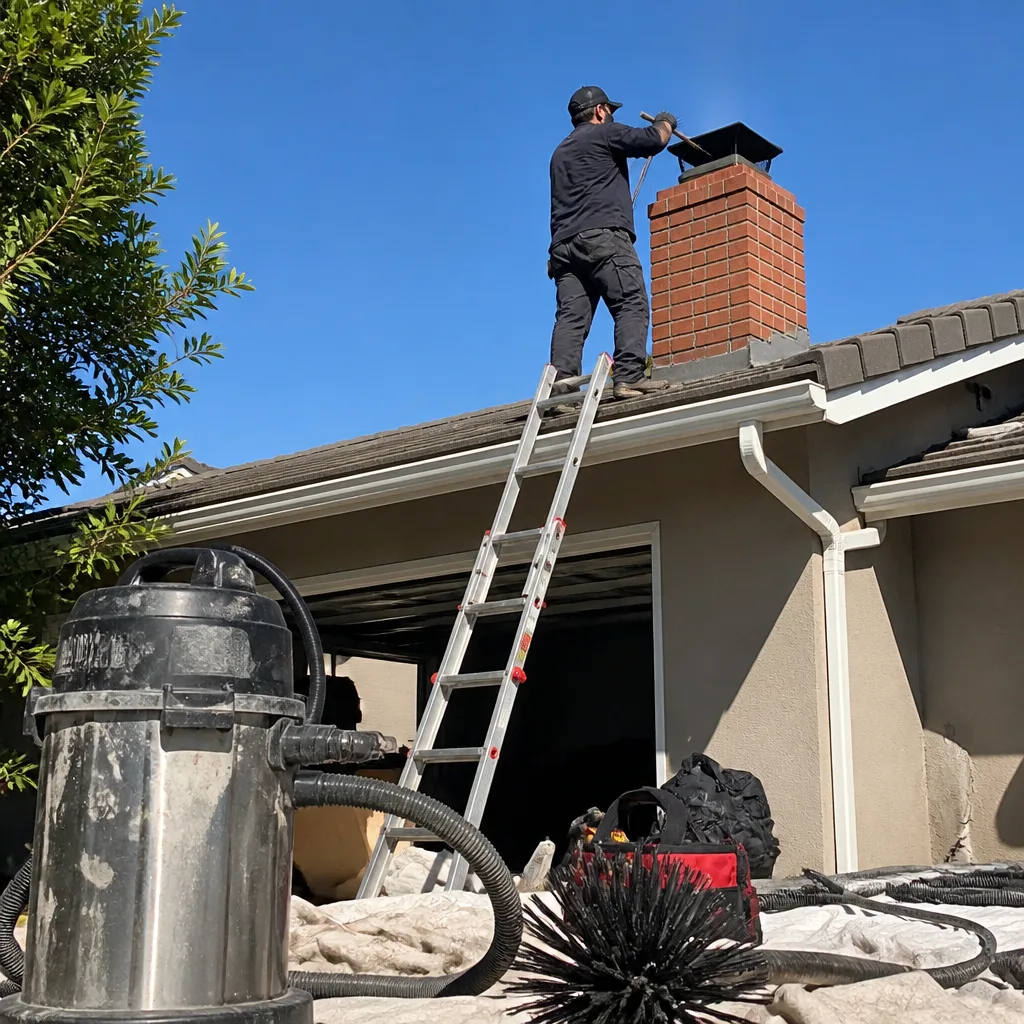
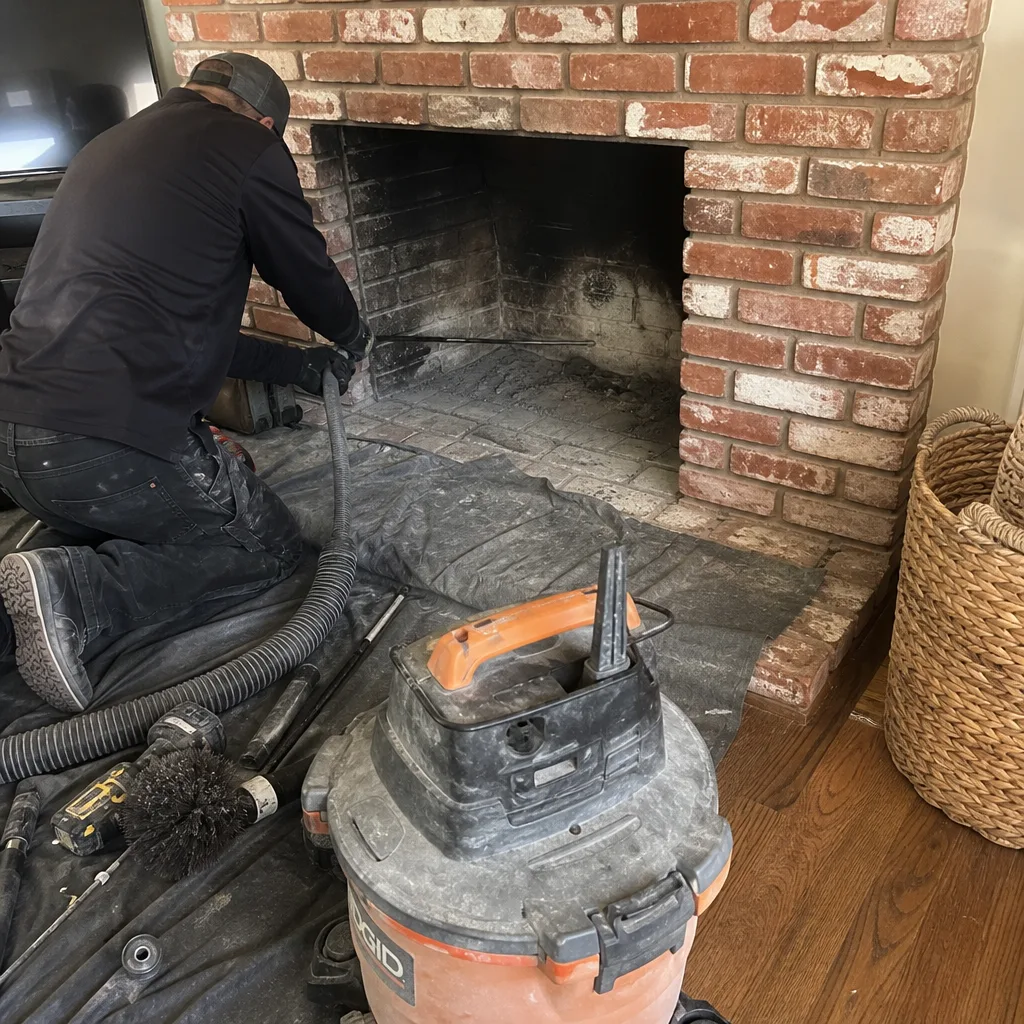
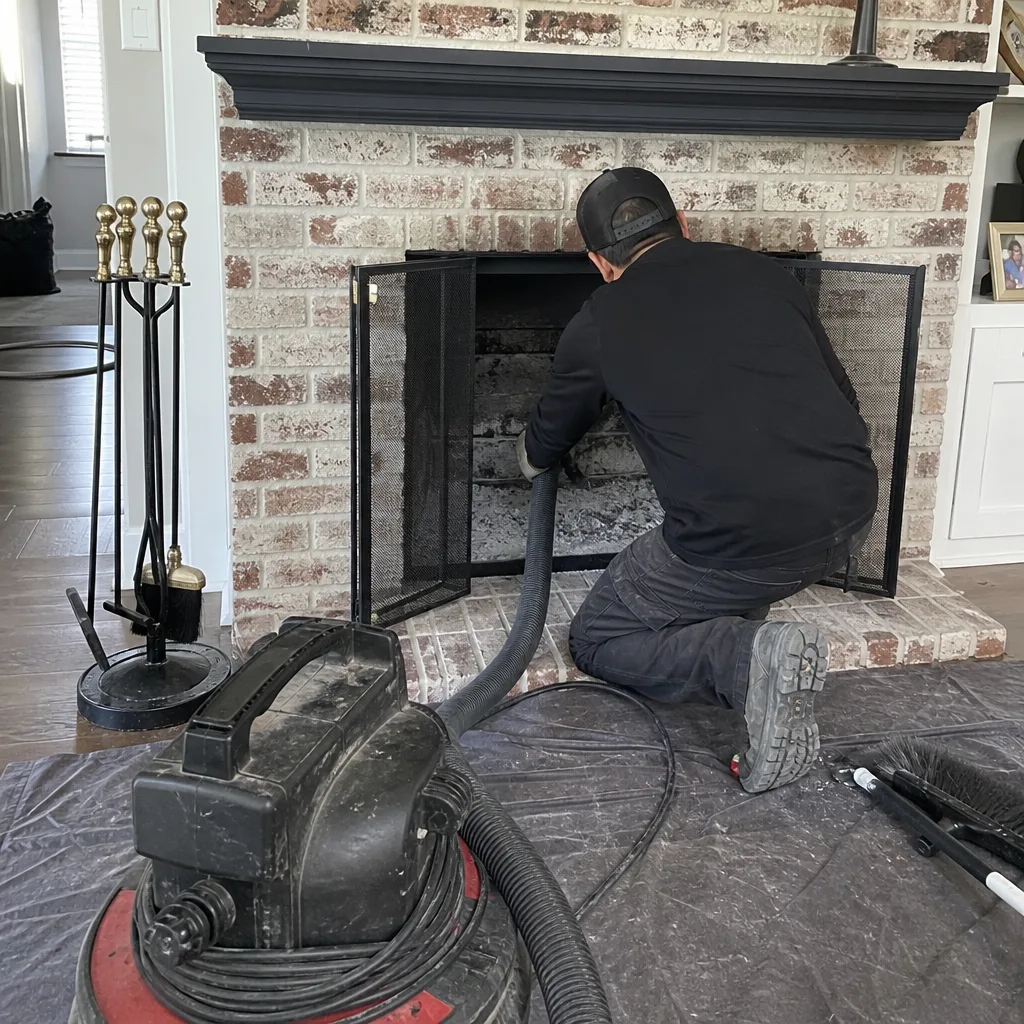
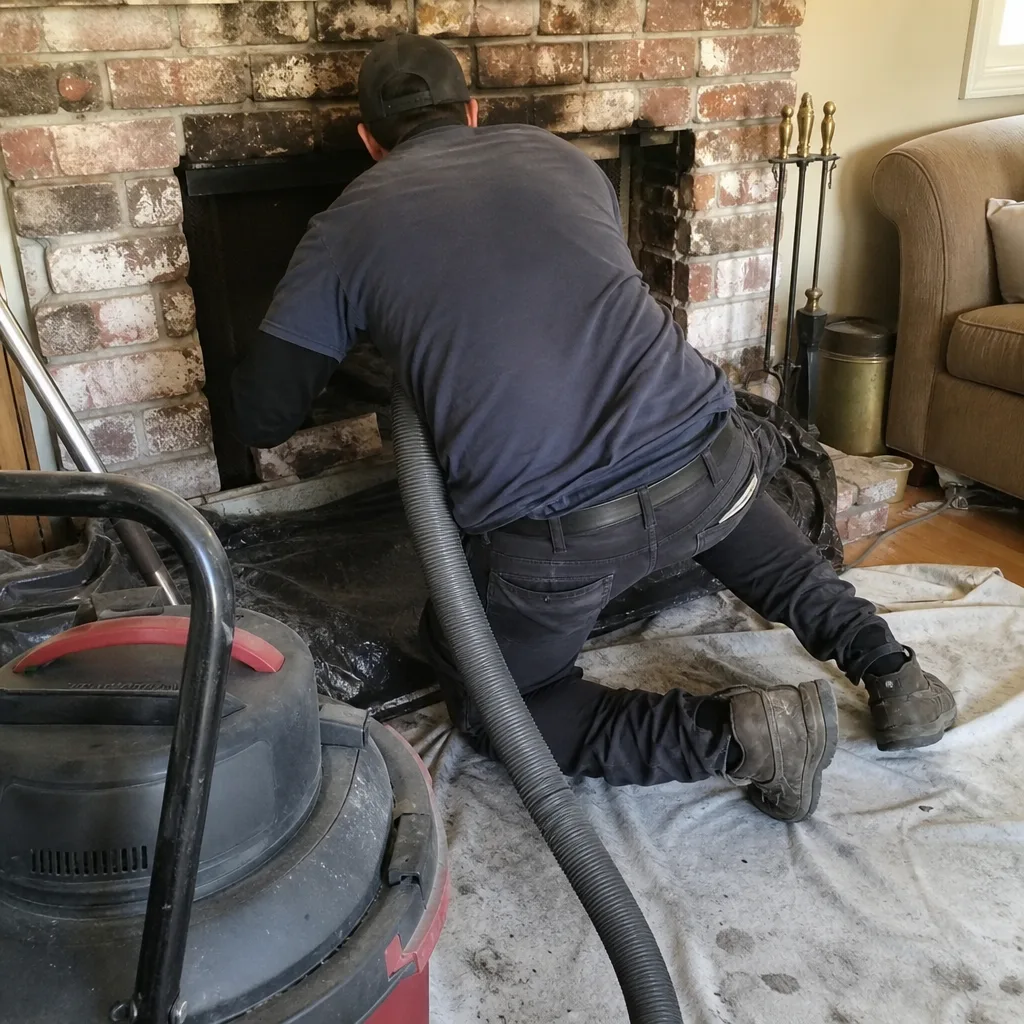
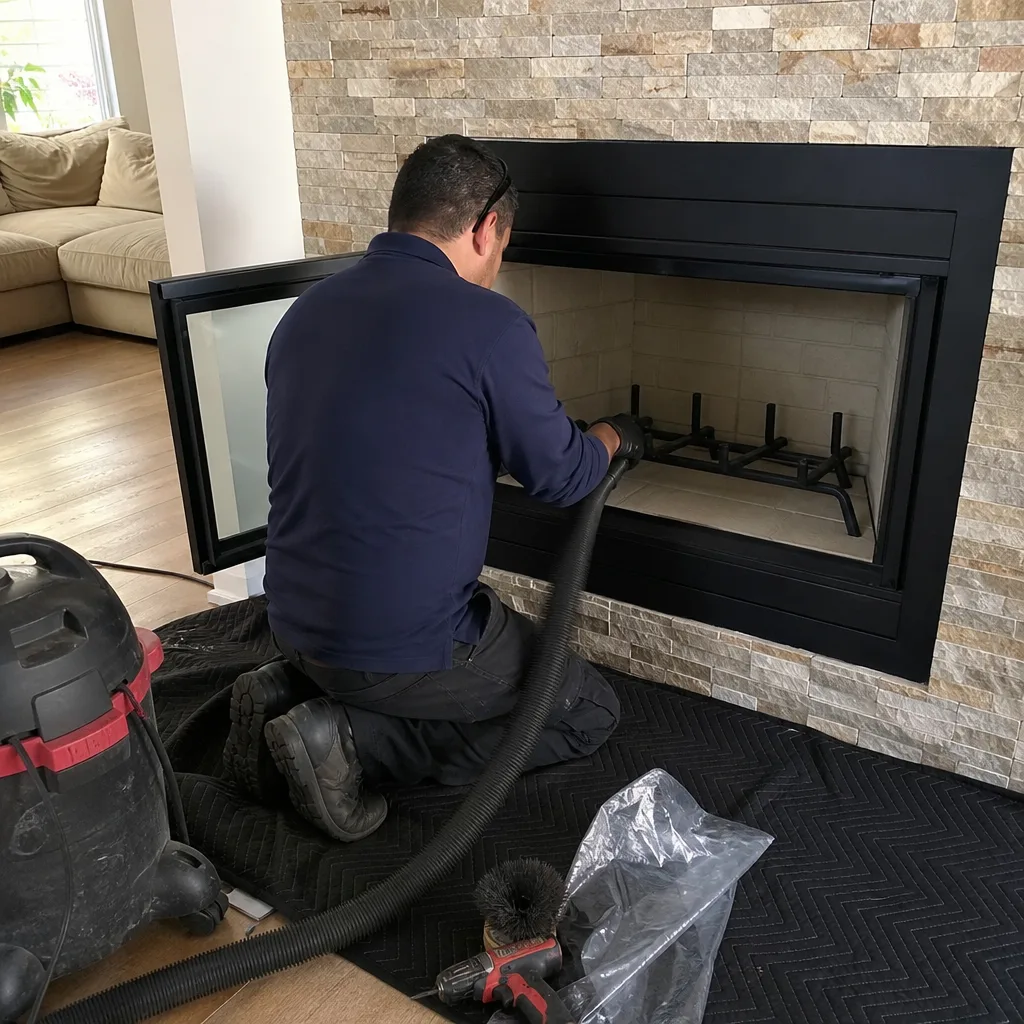
Before any brush touches the flue, a tech should inspect the firebox, damper, and accessible flue sections visually. They should lay drop cloths and seal the fireplace opening with a high-powered vacuum running to create negative pressure. That prevents soot from billowing into your living room. If a contractor skips this step, you’ll know within minutes: the room fills with fine black dust.
2. Rotary Brush Sweep
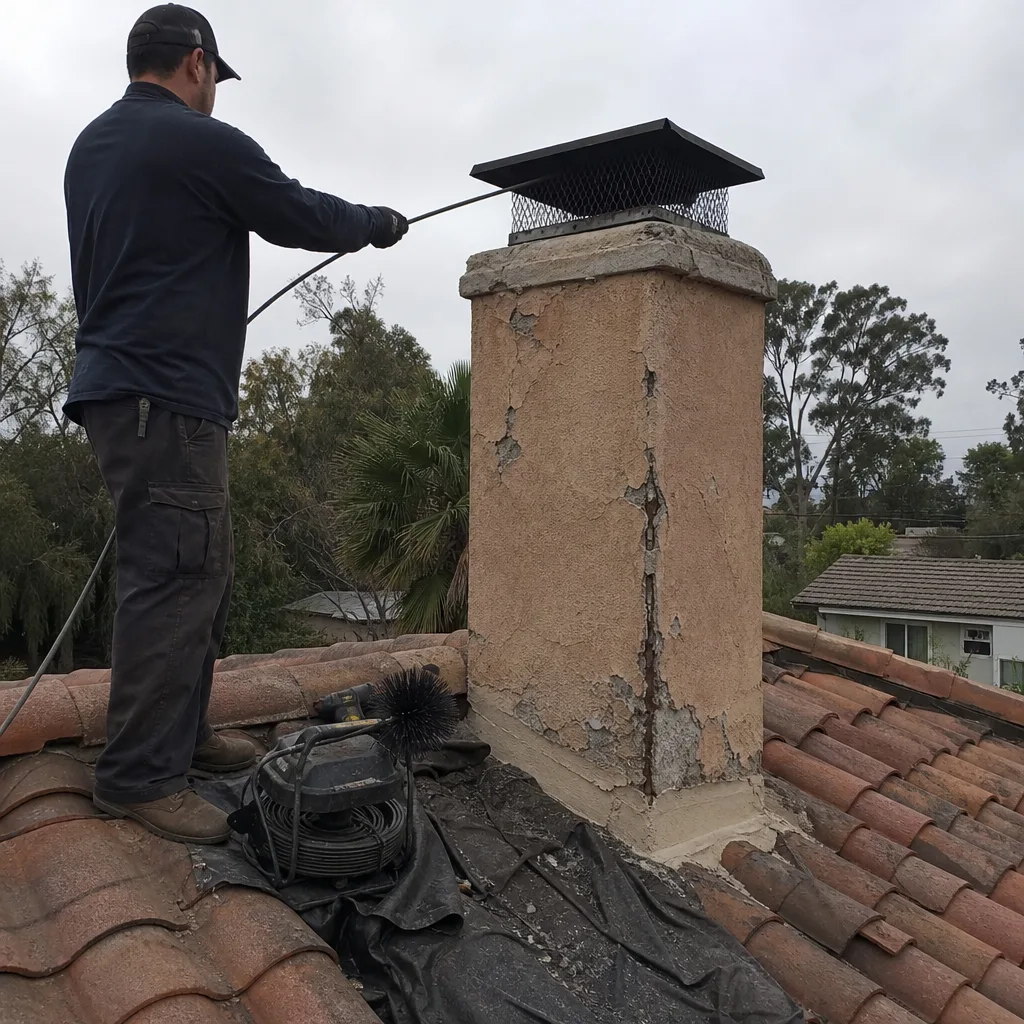
The core of the service. A rotary brush system, typically driven by a drill or dedicated motor, spins stiff nylon or wire bristles against the flue walls. This removes creosote, soot, and any loose debris. The brush should be sized to your flue dimensions. A brush that’s too small leaves a layer of creosote intact; too large, and it can damage the flue liner. In Orange, where clay tile liners are common in older homes, correct sizing matters.
3. Smoke Chamber Inspection and Cleaning
The smoke chamber sits between the firebox and the flue, and it’s the most commonly skipped area in budget cleanings. It’s an irregularly shaped space where creosote and debris accumulate. A proper cleaning includes brushing or hand-scraping the smoke chamber walls. This area is also where many chimney fires start, because debris there sits close to the heat source.
4. Video Scan of the Flue Interior
After sweeping, the tech should run a camera up the flue. This is the part of the service that separates a sweep from a system-integrity check. The video scan reveals cracked clay tiles, gaps in mortar joints, hidden animal nests, and early-stage liner deterioration that no amount of brush work can detect. You should be able to see the footage. If a contractor won’t show you the video, that’s a red flag.
Prestige Chimney uses professional-grade equipment and materials from brands like Olympia Chimney and Copperfield, which are specified by chimney professionals nationwide. The cleaning itself is only as good as the inspection that accompanies it. We consider the video scan non-negotiable, and every appointment includes it.
Level 1, Level 2, and Level 3 Inspections: What Orange Homeowners Need
The Chimney Safety Institute of America (CSIA) defines three inspection levels. Most Orange homeowners don’t know which one they need, and many contractors default to the cheapest option regardless of circumstance. Here’s the breakdown:
Level 1 Inspection
A Level 1 is a visual check of the readily accessible portions of the chimney: firebox, damper, and the interior of the flue as far as can be seen from above and below. It’s appropriate when the chimney is in continuing service with no changes since the last inspection. In Orange, a Level 1 is sufficient if you swept last season, nothing has changed, and you’ve been burning consistently.
Level 2 Inspection
A Level 2 includes everything in a Level 1, plus access to attic, crawlspace, and roof areas, and a video scan of the entire flue. The CSIA requires a Level 2 when any of these conditions apply:
- You’re buying or selling the home. This is the standard pre-purchase chimney inspection, and it’s a deal-breaker if skipped. Orange real estate transactions move fast, and a chimney that “looks fine” from the living room can have a collapsed flue liner eight feet up.
- The chimney has been dormant for more than a year. This applies to a surprising number of Orange homeowners who bought a house, decorated the fireplace, and never actually lit it. If you’re turning it on for the first time since moving in, you need a Level 2.
- There’s been a chimney fire, earthquake, severe weather event, or any structural change to the home. Southern California gets earthquakes. Even a small one can crack flue tiles.
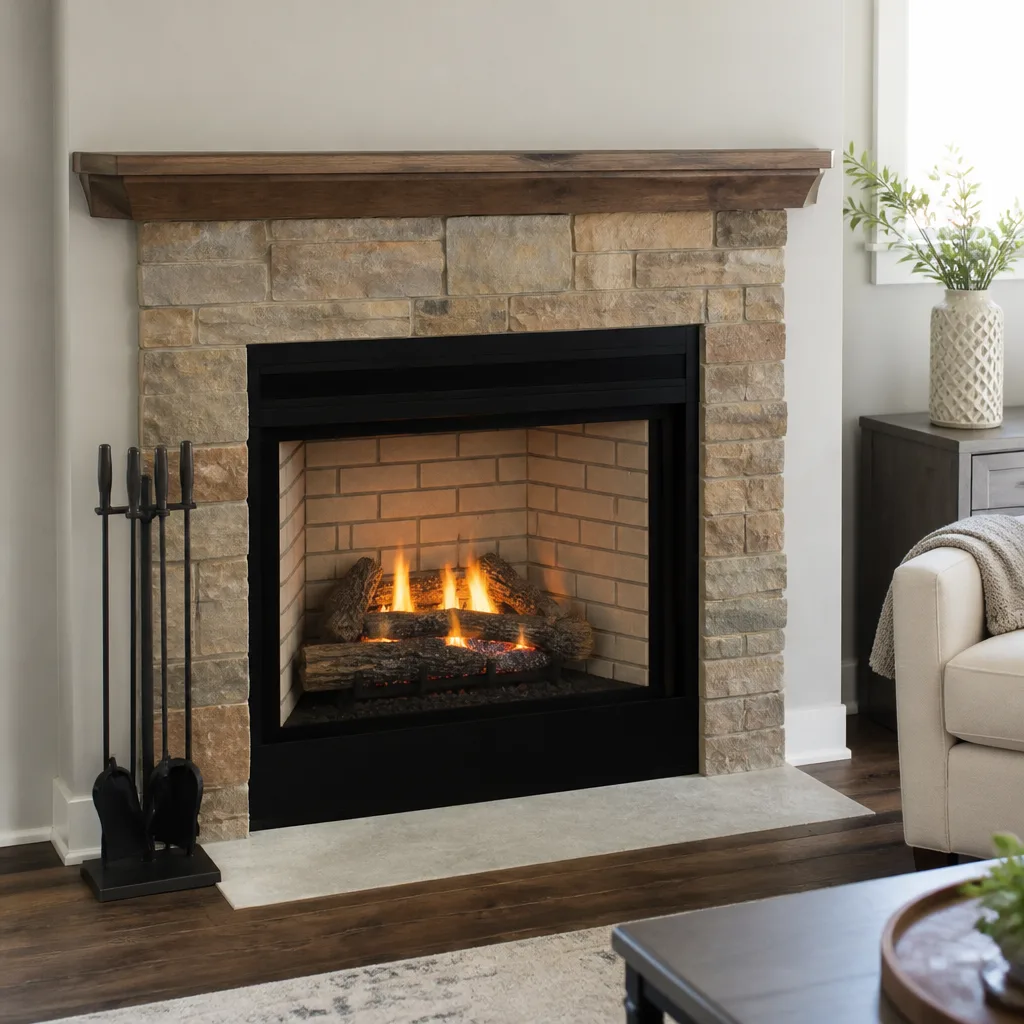
- You’re changing the fuel type or appliance. Switching from wood-burning to a gas insert requires a Level 2 to confirm the flue can handle the new venting requirements.
Level 3 Inspection
A Level 3 is invasive. It requires removing portions of the chimney or surrounding structure to access concealed areas. It’s only warranted when a Level 1 or Level 2 reveals a suspected serious hazard that can’t be evaluated without demolition. This is rare, but when it happens, it means the chimney has problems that a sweep alone cannot address.
What an Orange homeowner actually needs before each season: If you haven’t used the fireplace in over a year, you need a Level 2. If you used it last season and had it swept, a Level 1 is fine. If you’ve never had the chimney inspected since buying the home, get a Level 2. The video evidence from a Level 2 gives you a baseline. Without that baseline, you’re making decisions in the dark.
Coastal Proximity and Corrosion: The Inspection Items Sweeps Miss
Orange sits far enough inland that salt spray isn’t a daily factor, but close enough to the coast that marine air influences humidity and accelerates certain types of deterioration. This is especially true in the western and southern parts of Orange, where morning marine layer lingers longer than in inland areas like Villa Park or Orange Park Acres.
Here’s what coastal-adjacent moisture does to a chimney system:
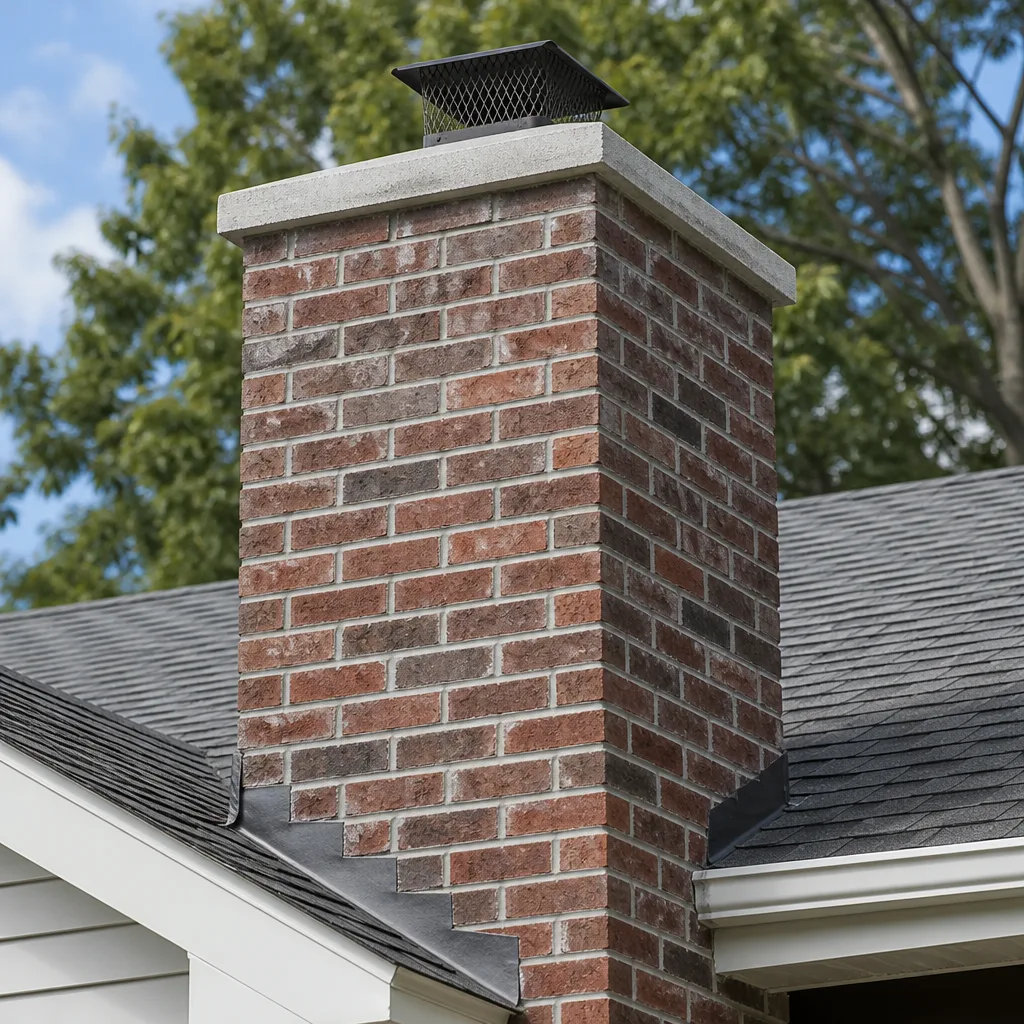
- Mortar joint erosion. Moisture penetrates the porous mortar between bricks. When temperatures fluctuate, the moisture expands and contracts, gradually crumbling the joints. We see chimneys in Orange where the mortar has turned to sand in the upper courses, while the bricks themselves look fine. That’s moisture damage, and it requires Chimney Repair in Orange before it progresses to structural failure.
- Flashing corrosion. The metal flashing where the chimney meets the roof is the most common leak point in any chimney system. In areas with persistent marine-layer humidity, galvanized flashing corrodes faster than in dry inland climates. A standard sweep doesn’t touch flashing, but a proper inspection should check it. Rusted or lifted flashing lets water in, and water causes damage faster than fire does.
- Damper rust. Cast-iron dampers in Orange chimneys that sit unused for months often develop surface rust from condensation. A rusted damper becomes stiff, then seizes, then fails either open or closed. Either failure mode creates a problem: an open damper lets conditioned air escape year-round; a closed damper blocks the flue and creates a carbon monoxide risk when the fireplace is lit.
- Clay tile liner spalling. Clay liners are durable, but moisture absorption plus heat cycling causes the inner surface to flake off in sheets. This is called spalling, and it reduces the liner’s ability to contain combustion gases. It’s common in Orange homes built before the 1990s.
These items are not part of a basic sweeping. They’re inspection items. When you book a cleaning, ask explicitly: does the appointment include a flashing check, a damper operation test, and a full video scan of the liner? If the answer is vague, keep looking.
How to Tell If Your Contractor Skipped Steps
Chimney cleaning is an industry with low barriers to entry. Any handyman with a ladder and a brush can call himself a chimney sweep. Here’s how to tell the difference between a legitimate sweep and a dust-and-dash, based on what we’ve seen in Orange:
- They don’t set up a containment system. A legitimate sweep lays drop cloths, seals the fireplace opening, and runs negative-pressure ventilation. If the tech starts brushing without sealing the firebox, soot will enter your living space. That’s not a preference; it’s a fundamental error.
- They don’t inspect the roof and cap. A proper sweep involves getting on the roof to check the cap, crown, and flashing. If the tech never leaves the living room, they’re only doing half the job.
- They can’t show you video. A video scan is the only way to see the interior of the flue. If the company doesn’t own a camera or won’t show you footage, they’re working blind, and you’re paying for blindness.
- They skip the smoke chamber. This is the most common shortcut in budget cleanings. The smoke chamber is hard to reach and requires specialized brushes. Skipping it leaves the highest-risk part of the system untouched.
- They quote a price before seeing the chimney. A chimney that hasn’t been cleaned in 15 years with a suspected animal nest is not the same job as a lightly used fireplace that was swept last season. Any contractor who quotes a flat price sight unseen is either going to upsell you later or cut corners.
- They push a liner replacement without showing you why. This is the big one. Some contractors use the sweep visit as a sales call, claiming the liner is “dangerous” and needs immediate replacement at $6,000 plus. Insist on seeing the video evidence. If the liner has minor cracks, HeatShield restoration may be a fraction of the cost of full replacement. If the contractor won’t show you the damage, walk away.
Prestige Chimney stocks and installs DuraFlex, HeatShield, Gelco, Olympia Chimney, Famco, and Copperfield products. When we recommend a repair, we show you the video that justifies it. You should never be in a position of trusting a verbal claim about the inside of your chimney. The camera tells the truth.
The Single-Contractor Advantage: Sweep, Repair, and Dryer Vent in One Visit
Most chimney companies do one thing: they sweep. When they find a cracked liner or a rusted damper, they hand you a referral card and leave. That creates a liability gap. You now have a documented chimney defect and no one scheduled to fix it. If you use the fireplace anyway, you’re on the hook for the consequences.
That’s the gap we designed Prestige Chimney to close. We handle chimney sweeping, chimney repair, and dryer vent cleaning as one operation. Found during the sweep, fixed in the same visit. No referral cards. No open liability.
Here’s what that actually looks like in practice:
- The sweep reveals a problem. During the video scan, we find a hairline crack in a clay tile, or a damper that’s rusted through. The footage is on the screen. You see it.
- The repair is scoped immediately. If it’s a flue liner issue, we assess whether HeatShield restoration is viable. HeatShield can often restore a damaged clay liner by applying a ceramic sealant that fills cracks and resolidifies the surface. It’s less invasive and typically less expensive than a full liner replacement with a product like DuraFlex. In many cases, the repair can happen the same day.
- The system is returned to service. The fireplace is cleaned, the repair is completed, and you get documentation showing what was found and what was fixed. One appointment. Done.
And while we’re there, we can address the other venting hazard in your home. The U.S. Fire Administration identifies clothes dryer vents as the leading appliance-related fire cause in American homes. Orange homes are no exception. A clogged dryer vent is a fire hazard hiding in plain sight. Most homeowners never think about it because the dryer keeps working, even as lint accumulates behind the wall and restricts airflow. Dryer vent cleaning is a separate service, but it’s one we perform, and bundling it with a chimney sweep on the same visit makes practical sense.
One call covers sweep, repair, and dryer vent. For Orange homeowners, that’s the difference between managing three contractors and managing one.
How Often Should You Clean a Chimney in Orange?
The CSIA recommends cleaning when creosote accumulation reaches 1/8 inch, or annually, whichever comes first. But that guidance assumes regular wood burning. In Orange, where fireplaces see limited seasonal use, the practical answer is different.
Here’s our guidance for Orange homeowners:
- Annual if you burn wood regularly (more than 30 fires per season). This is the standard recommendation, and it applies to Orange’s wood-burning households in areas like the older Craftsman neighborhoods east of the Plaza.
- Every 2 years if you burn occasionally (10-30 fires per season). Creosote won’t accumulate to dangerous levels in that time, but the moisture and nesting risks remain. A bi-annual visit catches animal entry and flashing damage before they become expensive.
- Before first use if the fireplace has been dormant for over a year. This is the scenario we see most often in Orange. A family buys a home, doesn’t use the fireplace for two or three years, then decides to light it for a holiday gathering. That’s when a Level 2 inspection is mandatory, not optional. Nesting, debris, and liner deterioration all progress while the chimney sits unused.
- After any major weather event or earthquake. Southern California’s seismic reality means chimneys shift. Even a small earthquake can crack flue tiles or separate the chimney from the roofline. If you felt it, get it checked.
How Much Does Chimney Cleaning Cost in Orange?
Chimney cleaning prices in Orange vary based on chimney type, condition, accessibility, and the inspection level included. Here’s what you can expect to pay:
| Service | Typical Range in Orange | What It Includes |
|---|---|---|
| Standard sweep, Level 1 | $180 – $240 | Rotary brush sweep, smoke chamber cleaning, visual inspection |
| Sweep with Level 2 inspection | $280 – $340 | Everything in Level 1 plus full video scan, roof/cap check, flashing inspection |
| Heavy buildup or animal nest removal | $80 – $150 additional | Extra labor and disposal for nest debris, severe creosote, or obstruction removal |
| Dryer vent cleaning (add-on) | $100 – $180 | Full lint removal from dryer to exterior vent termination |
| HeatShield liner restoration | Quoted after video inspection | Ceramic sealant applied to restore a damaged clay liner |
Those prices reflect what we see in the Orange market. The cheapest sweep in the area is often not the best value, because the low price is achieved by skipping the smoke chamber, the video scan, or both. Paying $99 to have someone push a brush up the flue without looking at the liner is $99 wasted.
Call (833) 407-0587 for an exact quote. Estimates are free, and we’ll tell you what level of inspection your chimney actually needs based on your usage history.
Common Mistakes to Avoid
- Assuming no fires means no problems. Orange’s biggest chimney hazard is dormancy. Animal nesting and moisture damage develop during the months the fireplace sits unused. A dormant chimney is not a safe chimney.
- Skipping the video scan to save $50. The video scan is the diagnostic core of the service. Without it, you’re paying someone to make your chimney slightly cleaner while remaining blind to its actual condition.
- Trusting a verbal repair recommendation. Any contractor who tells you the liner needs replacement without showing you video evidence is asking for trust they haven’t earned. Demand the footage.
- Using the fireplace with a known defect. If you’ve been told the flue has cracks or the damper is damaged, and you light a fire anyway, you’re taking on all the risk. Carbon monoxide doesn’t announce itself.
- Hiring a handyman for chimney work. Chimney systems involve combustion gases, masonry physics, and building codes. A general handyman with a brush is not a chimney specialist.
- Ignoring the dryer vent because the dryer “works fine.” A clogged dryer vent is a slow-burning hazard. The dryer doesn’t have to stop working for the lint accumulation to become a fire risk.
- Waiting until fall to book. Orange chimney companies book up fast in September and October, right before the holiday season. Booking in spring or summer often means better scheduling flexibility and lower pressure to make a quick decision.
See the difference
 Before
 After
 Before
 After
 Before
 After
When to Call a Professional
You should schedule a chimney professional if any of these apply: the fireplace hasn’t been used or inspected in over a year; you hear animal sounds coming from the chimney; you smell a damp, musty odor near the firebox; you notice white staining on the exterior brick (a sign of moisture penetration); you see debris falling into the firebox; or you’re buying or selling a home in Orange and need a Level 2 inspection for the transaction. You should also call if you’ve never had your dryer vent cleaned and can’t remember the last time anyone looked at it. Prestige Chimney offers free estimates in Orange. Call (833) 407-0587 to schedule a sweep, inspection, or dryer vent cleaning.
Frequently Asked Questions
A standard chimney sweep in Orange costs between $180 and $240, while a sweep with a full Level 2 inspection including video scan runs $280 to $340. Heavy buildup, animal nest removal, or difficult roof access can add $80 to $150. Call (833) 407-0587 for a free estimate based on your chimney’s specific condition.
Yes, you need an inspection even with infrequent use, because Orange’s climate creates hazards that heavy-use chimneys don’t develop. Animal nesting, moisture-caused mortar erosion, and debris accumulation all progress faster in a dormant chimney. An annual inspection catches these problems before they become structural or safety issues.
A sweep removes soot and creosote from the flue walls using mechanical brushing. An inspection evaluates the condition of the entire chimney system, including the liner, damper, flashing, cap, and masonry. At Prestige Chimney, the sweep and inspection are performed together, with video documentation of the flue interior.
Annual sweeping applies if you burn wood more than 30 times per season. For occasional use of 10 to 30 fires per year, every two years is generally sufficient, but an annual visual check for animal entry and flashing damage is still wise. If the fireplace has been dormant for over a year, schedule a Level 2 inspection before lighting it.
The risks depend on what’s inside the flue. Creosote buildup can ignite and cause a chimney fire. An animal nest can block airflow and send carbon monoxide back into the living space. Cracked or spalled liners can allow combustion gases to escape into wall cavities. Moisture damage compounds over time, and what starts as a $300 sweep becomes a $3,000 masonry repair. Call (833) 407-0587 to get the chimney evaluated before the risk compounds.
Many damaged clay liners can be restored rather than replaced. HeatShield is a ceramic sealant system that fills cracks in clay tiles and resolidifies spalled surfaces, often at a fraction of the cost of full liner replacement. If the liner is too far gone for restoration, products like DuraFlex stainless steel liners provide a permanent replacement. A video scan determines which option applies.
The Bottom Line
Chimney cleaning in Orange is not about soot removal. It’s about confirming that a system you trust with fire and combustion gases is intact, unobstructed, and safe to operate. In our climate, where fireplaces sit dormant for months, the risks of animal nesting and moisture damage equal or exceed the risks of creosote buildup. A complete appointment includes a rotary sweep, smoke chamber cleaning, and a video scan that shows you the actual condition of the flue. If problems are found, they should be fixable by the same contractor who found them. That’s the model Prestige Chimney operates on, serving Orange with sweep, repair, and dryer vent services under one roof, using professional-grade materials from brands like DuraFlex, HeatShield, and Copperfield.
Written by the team at Prestige Chimney, serving Orange since 2017.