
Last updated October 30, 2026
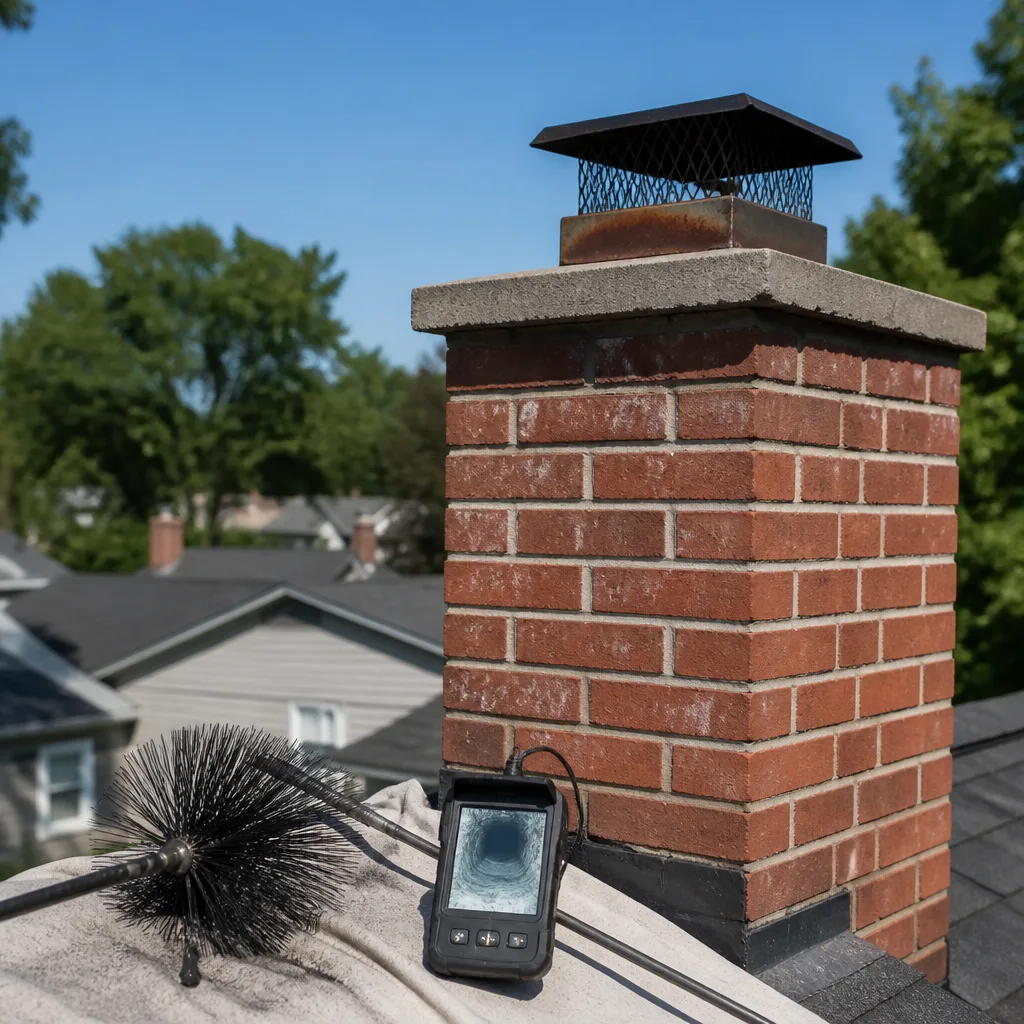 Sweep & inspection
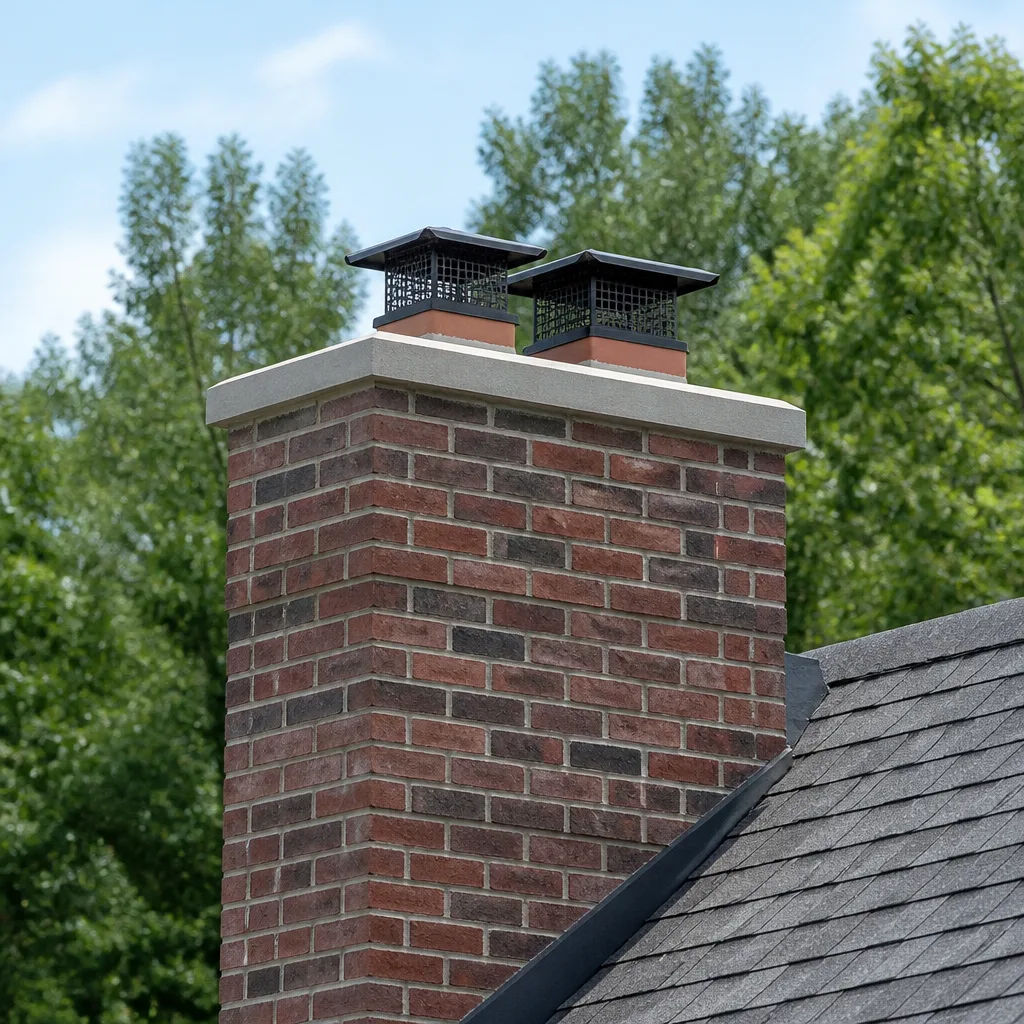 Caps & crowns
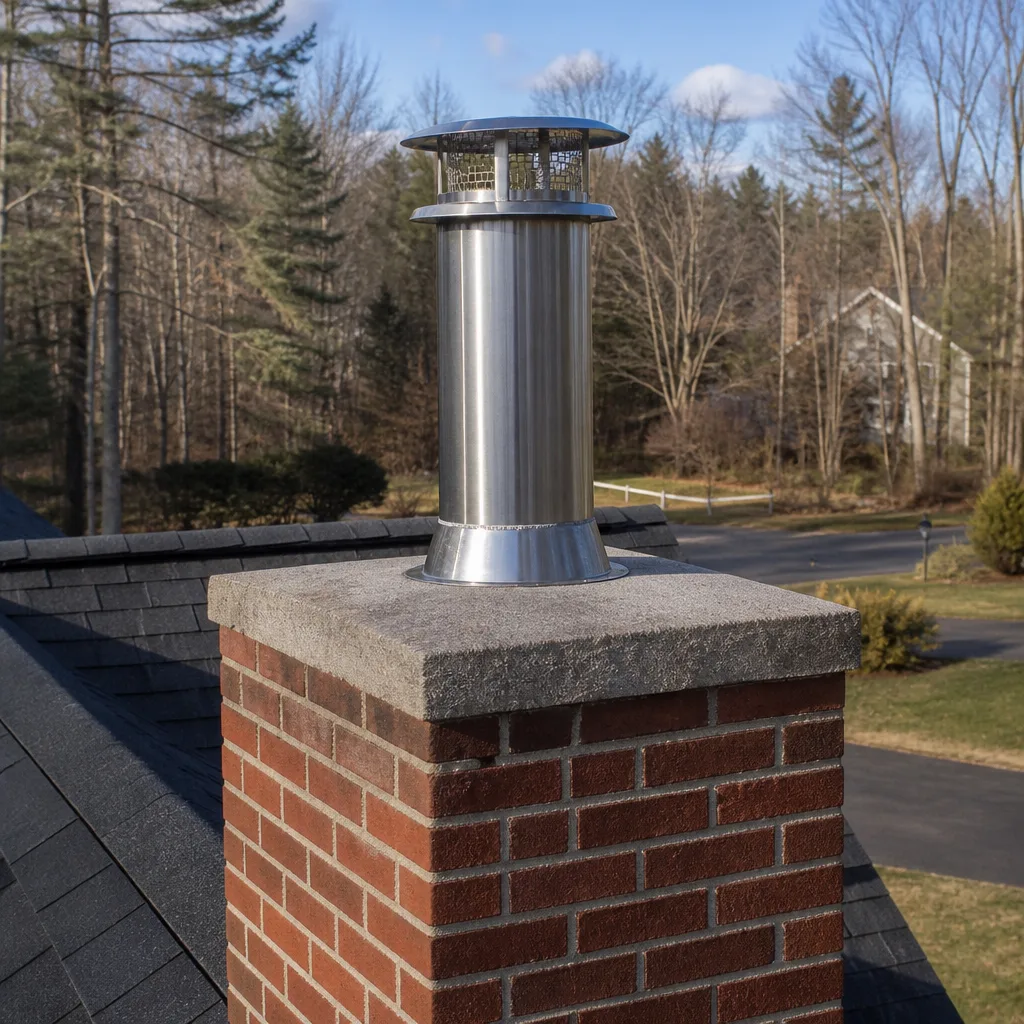 Flue relining
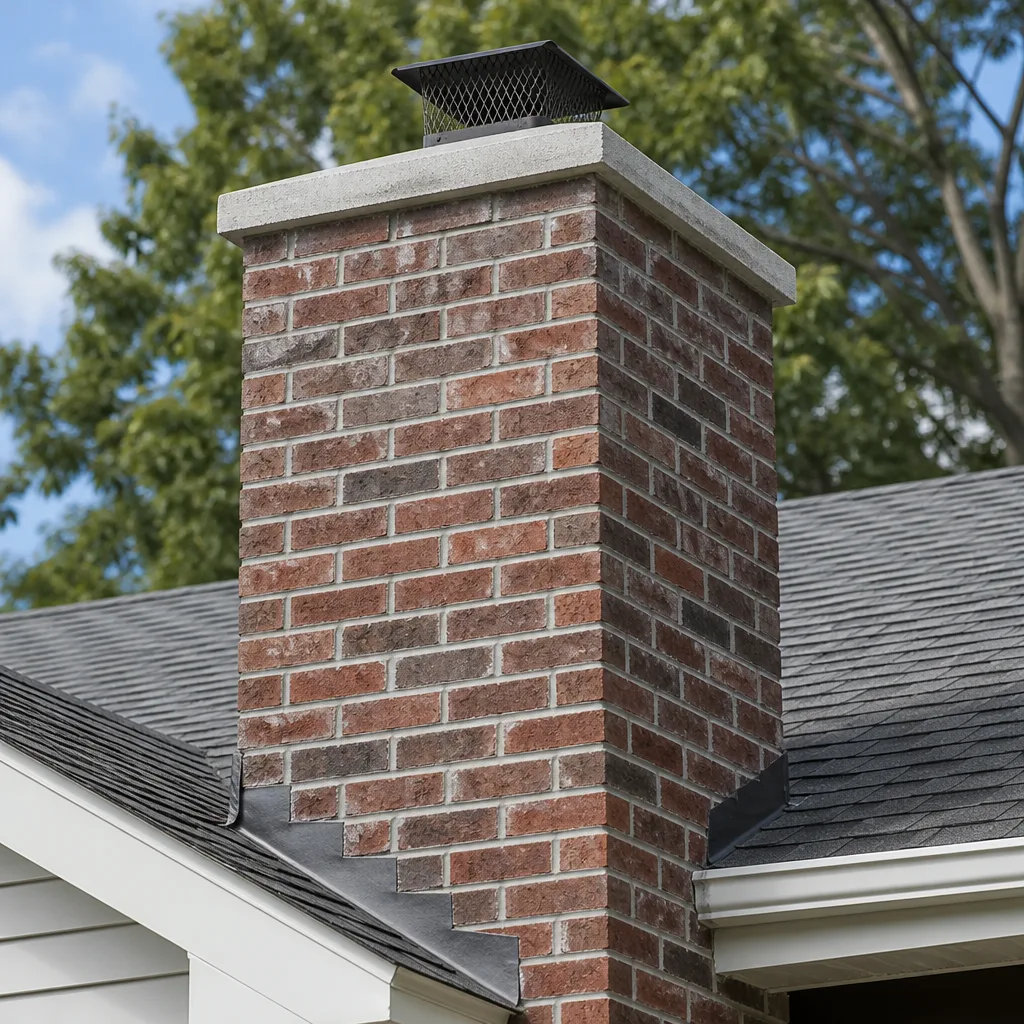 Masonry repair
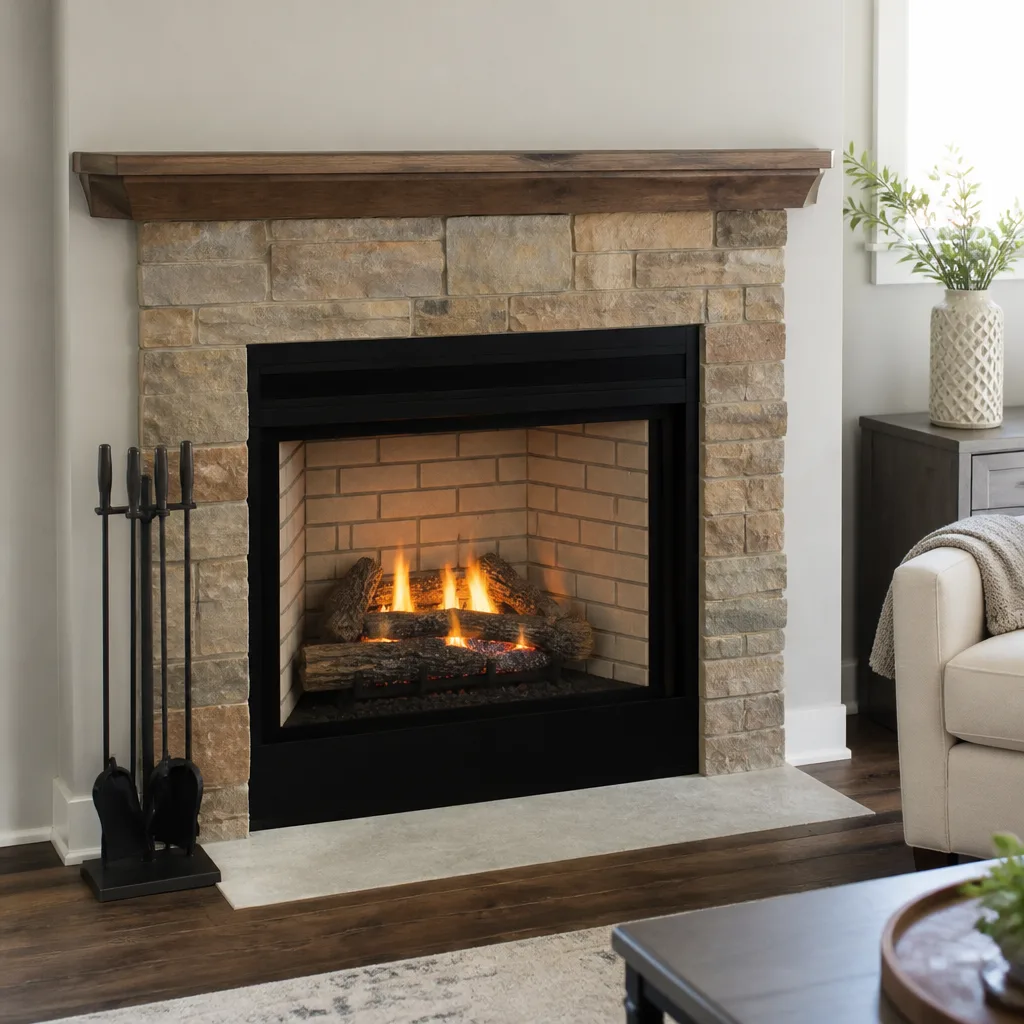 Gas fireplace service
Level 1 sweep and inspection to the NFPA 211 annual standard - flue, crown, cap, and flashing checked and photographed
Chimney sweep logs do not sweep chimneys. They loosen some creosote - which then falls where a brush and vacuum still have to collect it.
Choosing the Right Chimney Cleaning Brand: A Buyer’s Guide for Orange
Most homeowners in Orange spend more time researching a $400 smartphone than a $4,000 chimney repair. That’s not a judgment, it’s an observation from years of walking onto properties where a previous chimney company left behind a receipt and little else. Here’s the counterintuitive part: the “brand” that matters in chimney cleaning isn’t the logo on the truck. It’s the documented service record, the grade of materials the contractor specifies, and whether the person who finds a problem during the sweep is the same person who can fix it. This guide walks through what actually separates a professional chimney operation in Orange from a guy with brushes and a ladder, and how to tell the difference before you book. For more guides & resources on keeping your home safe, see our blog.
Styles & brands we work with
Quick Answer
Choosing the right chimney cleaning brand in Orange comes down to three things: professional-grade equipment that produces video documentation, trade-specified repair materials (like Gelco, Olympia Chimney, or Copperfield products) rather than hardware-store substitutes, and a single contractor who handles sweep, repair, and dryer vent service under one roof. Our Complete Chimney Sweep Guide for Orange Homeowners covers what to expect during your appointment. A full-service operation like Prestige Chimney eliminates the finger-pointing between trades and gives you one written record instead of three competing narratives.
Table of Contents
- The Documentation Standard: What a Real Service Record Looks Like
- Professional-Grade Equipment vs. Consumer-Grade: Why It Shows Up in Outcomes
- The Materials Question: What Trade-Specified Brands Tell You About a Contractor
- Franchise vs. Local Specialist in Orange: What Actually Matters
- Why Full-Service Operators Reduce Your Total Risk
- How to Evaluate a Chimney Company Before You Book
- Common Mistakes to Avoid
- When to Call a Professional
- Frequently Asked Questions
- The Bottom Line
The Documentation Standard: What a Real Service Record Looks Like
There are two classes of chimney cleaning operation in Orange County: those that produce a written inspection report with video documentation you can store with your home records, and those that hand you a receipt and a verbal assurance. That difference matters the moment you file an insurance claim after a chimney fire, or when a home inspector asks about flue condition during a sale.
A professional sweep in Orange should include more than a brushing. We’re talking about a systematic inspection that gets written down: flue dimensions, material condition, creosote accumulation levels, cap integrity, flashing condition, and any signs of water intrusion. The best operators run a CCTV inspection camera up the flue and hand you still images or video files. That’s your proof of condition on the day of service. Without it, you’re relying on someone’s word.
Here’s what a documented service record typically includes:
- Pre-sweep condition notes: creosote stage (1, 2, or 3), obstructions, animal nesting evidence, water damage indicators
- Post-sweep verification: camera images showing clean flue walls and intact liner surface
- Repair recommendations with visual evidence: not just “you need a liner” but a photo showing the crack, spalling, or gap
- Materials specified: if repair work is recommended, the report should name the product line, not just “new liner”
- Date-stamped findings: useful for warranty claims, insurance documentation, and future inspections
When a contractor won’t show you what they saw, there’s usually a reason. Whether that’s because they didn’t look closely, or because they looked and don’t want you to know how bad it is, either way you’re left making decisions without information. In Orange, where many homes have masonry chimneys built decades ago that have never been inspected, that lack of documentation is how $2,000 problems become $12,000 problems.
Ask any company you’re considering: “Do you provide camera inspection video and a written report with every sweep?” If they hesitate, keep looking. For a deeper look at what a proper sweep entails, see our Chimney Sweep in Orange page.
Professional-Grade Equipment vs. Consumer-Grade: Why It Shows Up in Outcomes
The equipment question is where a lot of Orange homeowners get lost. If you’re weighing DIY vs professional chimney cleaning, start here: a brush is a brush, right? Not even close. The difference between rotary power sweeping and hand rods is the difference between a pressure washer and a garden hose. Both move water. One removes what’s actually adhered to the surface.
Rotary power sweeping systems use spinning whip heads that mechanically break down glazed creosote, which forms when creosote deposits are exposed to repeated heating and cooling cycles. In Orange County, where winter fires are intermittent and many homeowners burn wood only on cooler evenings, glazed creosote formation is extremely common. Hand rods simply cannot remove stage 3 glazed creosote effectively. The rod slides over the surface like a squeegee on dried paint.
Then there’s the inspection question. Entry-level operations sometimes don’t run a camera at all. They sweep, they look up from the bottom with a flashlight, maybe glance down from the top, and call it done. But a flue liner can have cracks, gaps, or separation points that are invisible from either end. A CCTV camera running the full length of the flue is the only way to see what’s actually there.
Here’s what separates professional-grade chimney service equipment from consumer-grade alternatives:
- Rotary sweep heads (nylon, poly, or steel, matched to liner type) versus hand rods and brushes
- CCTV inspection cameras with recording capability versus no camera or cell-phone photos from the firebox
- HEPA-filtered vacuum systems designed for fine particulate versus shop vacs that blow dust back into the room
- Negative air pressure setups for occupied homes versus door-open, hope-for-the-best dust management
- Digital draft and combustion testing where relevant versus “looks like it draws fine”
In our experience sweeping chimneys across Orange, homes with a documented service history from camera-equipped operators tend to have fewer surprise failures. Not because the equipment prevents problems, but because the documentation catches degradation early enough to address it before it becomes structural.
The Materials Question: What Trade-Specified Brands Tell You About a Contractor
This is the question almost nobody asks, and it’s the one that most reliably separates professional operations from price-driven ones. When a sweep finds a cracked flue tile, a deteriorated crown, or a damaged cap, what does the contractor reach for? A tube of caulk from the big-box store, or a product line that chimney professionals actually specify?
Here’s why it matters. Chimney systems deal with heat cycling, acidic flue gases, water exposure, and freeze-thaw stress. The materials that handle those conditions are not the same as general-purpose construction materials. Refractory cement designed for flue repair is a completely different product than quick-set mortar from a hardware store. A stainless steel chimney cap from a reputable manufacturer is engineered to handle wind, rain, and heat in ways a generic sheet-metal cap is not.
Reputable chimney contractors work with recognized product lines. When a company names the brands they use, that’s a signal. Gelco, Olympia Chimney, and Copperfield are three examples of manufacturers whose products are specified by chimney professionals nationwide. Gelco produces chimney caps and chase covers. Olympia Chimney is known for liner and venting systems. Copperfield makes chimney components including caps and dampers. If a contractor can’t name a single product line they install, ask yourself what they’re using.
Here’s a practical test: when you get a repair quote, ask “What product line is that, and who manufactures it?”
A professional answer sounds like: “That’s a Copperfield stainless cap, and we use Olympia liner components for the reconnect.” A non-professional answer sounds like: “It’s a stainless cap, you know, the standard kind.” The first answer tells you the contractor has a materials standard. The second tells you they buy whatever’s on sale.
For Orange homeowners with older masonry chimneys, this question is especially important. Many local chimneys built in the 1960s and 1970s have terracotta liners that are now cracking. The repair path matters: a quality stainless liner system properly specified and installed will last decades, while a bargain liner with poor connections can fail in a few seasons. When we handle repairs, we spec materials from manufacturers including Olympia Chimney and Copperfield because those product lines have established performance histories in the trade. Learn more about repair approaches on our Chimney Repair in Orange page.
Franchise vs. Local Specialist in Orange: What Actually Matters
Orange County has a mix of national chimney franchise operations and independent local specialists. Each structure has real trade-offs, and the right answer depends on your home and your priorities. But the franchise-versus-local question is often a distraction from the more important question: what does the actual service deliver?
National franchises typically bring standardized processes, branded uniforms, and some level of corporate accountability. If a franchise technician does poor work, there’s a corporate office you can call. Franchises also tend to have consistent pricing structures. What they sometimes lack is flexibility. A franchise technician working from a standardized checklist may not have the authority (or the training) to handle unusual chimney configurations, which are common in Orange, where housing stock ranges from 1950s ranch homes with masonry chimneys to newer builds with prefabricated systems.
Local independent specialists, by contrast, often have more experience with the specific housing types in their service area. A local operator who’s been working in Orange for years has seen the common failure patterns in local chimneys: the way coastal moisture affects certain flashing configurations, the specific terracotta liner issues in mid-century homes, the recurring animal entry problems in neighborhoods near the hills. That pattern recognition leads to faster diagnosis and often more honest recommendations about what can wait and what can’t.
The accountability question cuts both ways. A franchise has corporate oversight. A good local specialist has reputation at stake in a specific community. We’d argue the strongest accountability is the local one, because bad work follows a local operator around Orange in a way it doesn’t follow a franchise brand that can reassign technicians and move on. But either way, the key is to evaluate the work product: the documentation, the materials, and the follow-through.
Why Full-Service Operators Reduce Your Total Risk
Imagine this scenario. You hire a chimney sweep in Orange. During the sweep, the technician finds that your chimney cap is badly rusted and your flashing is pulling away from the roofline. Now you need a second contractor to handle the repair. That second contractor comes out, looks at the flue, and says the first contractor missed a liner issue. The first contractor says the second one is overselling you. You’re now the referee in a dispute between two trades that have never met each other.
Now imagine the same scenario with a full-service operator. The sweep finds the rusted cap and the flashing issue. The same company quotes the repair, specifies the materials, and completes the work. One visit, one written record, one liability owner. If something goes wrong later, there’s no ambiguity about who’s responsible. This is what we mean when we say our Prestige Chimney home service model is built around full-service accountability.
The same logic applies to dryer vents. Most chimney companies in Orange don’t touch dryer vents at all. But dryer vents share the same failure mode as chimneys: lint accumulates, airflow drops, and the system becomes a fire risk. The Dryer Vent Cleaning in Orange service we provide isn’t just an add-on, it’s part of the same combustion-safety picture. Your dryer vent is a fire hazard hiding in plain sight. When one company handles chimney sweep, chimney repair, and dryer vent service, you get a single documentation trail for every exhaust system in your home.
There’s a practical advantage too: scheduling. Coordinating three contractors means three phone calls, three appointment windows, three invoices, and three separate relationships. One call covers sweep, repair, and dryer vent. For busy Orange households, that’s not just convenience, it’s a lower probability that something gets neglected because scheduling became a hassle.
How to Evaluate a Chimney Company Before You Book
Here’s a step-by-step evaluation process we’d suggest for any Orange homeowner comparing chimney cleaning services. This is the same process we’d use if we were hiring a contractor for our own home. You can also read The Complete Guide to Chimney Cleaning in Orange for additional context before you start.
- Ask about equipment before you book. “Do you use rotary sweep equipment? Do you run a camera inspection on every job? Do I get copies of the video and report?” Professional operations answer yes to all three.
- Ask about materials standards. “What product lines do you install for repairs, caps, and liners?” If they can’t name manufacturers, that’s a red flag.
- Ask about service scope. “If the sweep finds a problem, can you fix it, or do you refer it out?” Finding the problem is half the job. Fixing it without finger-pointing is the other half.
- Check for professional affiliations. CSIA (Chimney Safety Institute of America) certification is the industry standard. Ask directly: “Are your technicians CSIA certified?”
- Ask about permits. Many chimney repairs in Orange don’t require permits, but structural work (like rebuilding a firebox or replacing an entire chimney structure) does. A contractor who’s cagey about permits is a liability risk.
- Get the quote in writing, with specifics. “Repair firebox using refractory cement rated for 2,000 degrees” is a professional quote. “Fix firebox” is not. The specificity itself is a signal.
One more thing: watch how the company handles the question of urgency. A good operator tells you what needs attention now, what can wait six months, and what can wait indefinitely. A sales-driven operator tries to make everything urgent. If every finding comes back as “immediate safety hazard,” get a second opinion.
Common Mistakes to Avoid
- Assuming the cheapest quote is the same service. In chimney cleaning, price differences usually reflect equipment, documentation, and materials standards. A $99 sweep that produces no written record isn’t a bargain, it’s a receipt for a brushing with no verification.
- Hiring separate companies for sweep, repair, and dryer vent work. You create three documentation trails, three liability owners, and three potential disputes. One full-service operator simplifies accountability.
- Not asking for camera documentation. Without visual evidence of flue condition, you’re trusting a verbal report you can’t verify. That’s a problem when something fails later.
- Ignoring dryer vents entirely. Many Orange homeowners have never cleaned their dryer vent. The U.S. Fire Administration identifies dryer lint as a leading cause of appliance-related fires. It’s not a luxury service, it’s part of household safety.
- Accepting vague repair quotes. “New liner” is not a quote. A professional quote specifies liner type, manufacturer, dimensions, and connection method. Vague language usually means vague work.
- Delaying repairs because the fireplace “still works.” A cracked liner doesn’t stop the fireplace from working, but it does allow heat and combustion gases to reach combustible framing. The failure mode is not gradual degradation, it’s sudden fire.
- Choosing a contractor based on price alone. Prestige positioning means paying for professional-grade materials and documented workmanship. The cost difference between a proper sweep and a cheap one is often less than a nice dinner in Orange, but the risk difference is enormous.
When to Call a Professional
Some maintenance tasks can safely wait. Chimney cleaning is not one of them, particularly if you use your fireplace regularly during Orange’s cooler months. Call a professional if you notice any of the following: smoke backing up into the room when the fire is lit, a strong odor from the fireplace even when it’s not in use, visible creosote buildup in the firebox, water stains on the ceiling near the chimney, rust on the damper or firebox, or if it’s been more than a year since your last inspection. If you’ve recently purchased a home in Orange with an existing fireplace or wood stove, schedule an inspection before your first fire, not after. Prestige Chimney offers free estimates in Orange – call (833) 407-0587 to schedule a sweep, repair assessment, or dryer vent check.
Frequently Asked Questions
A standard chimney sweep in Orange typically ranges from $180 to $350 depending on chimney type, accessibility, and condition. If significant creosote buildup or animal nesting is present, the price can run higher. The most important question isn’t the price itself but what the price includes: camera inspection, written report, and documentation. Call (833) 407-0587 for an exact quote on your specific chimney, estimates are free.
The National Fire Protection Association recommends annual inspection, with cleaning performed as needed based on use. For Orange homeowners who burn wood regularly during winter months, that typically means a sweep every one to two years. Gas fireplaces require less frequent sweeping but still benefit from annual inspection to check venting and burner function.
With a full-service operator, many repair items found during a sweep can be addressed in the same visit. Simple repairs like cap replacement, damper adjustment, or minor crown patching are often doable on the spot. More involved repairs like liner installation require a second scheduled appointment, but you’ll have the quote and materials specified before the technician leaves.
A sweep removes creosote and debris from the flue. An inspection evaluates the structural and mechanical condition of the entire chimney system. Professional companies in Orange perform both, and the inspection findings (with camera documentation) are what determine whether repair work is needed. A sweep without an accompanying inspection is an incomplete service.
Not necessarily. Small cracks can sometimes be addressed with restoration products like HeatShield, which resurface the existing flue rather than replacing it. Larger cracks, spalling, or separation between flue tiles typically require a stainless steel liner. The only way to know is with camera inspection that shows the actual condition. A reputable contractor will show you the evidence before recommending any liner work.
Yes. Lint accumulation in dryer vents is a leading appliance-related fire cause according to the U.S. Fire Administration, and it’s a problem that builds up silently over months of normal use. If your clothes are taking longer than 45 minutes to dry, or if the dryer feels unusually hot to the touch, the vent likely needs cleaning. Most homes should have dryer vents cleaned every one to two years.
The Bottom Line
Choosing a chimney cleaning brand in Orange isn’t about the logo on the truck. It’s about what you can verify: a written inspection report with camera evidence, repair materials from recognized manufacturers like Gelco, Olympia Chimney, or Copperfield, and a single contractor who handles sweep, repair, and dryer vent service without pointing fingers at anyone else. The cheapest option usually skips the documentation, which is the exact thing you need if something goes wrong. Ask the questions in this guide before you book, and you’ll end up with a contractor whose work stands up to scrutiny, whether that’s from your insurance company, a home inspector, or a future buyer of your Orange home.
Written by the team at Prestige Chimney, serving Orange since 2017.
See the difference
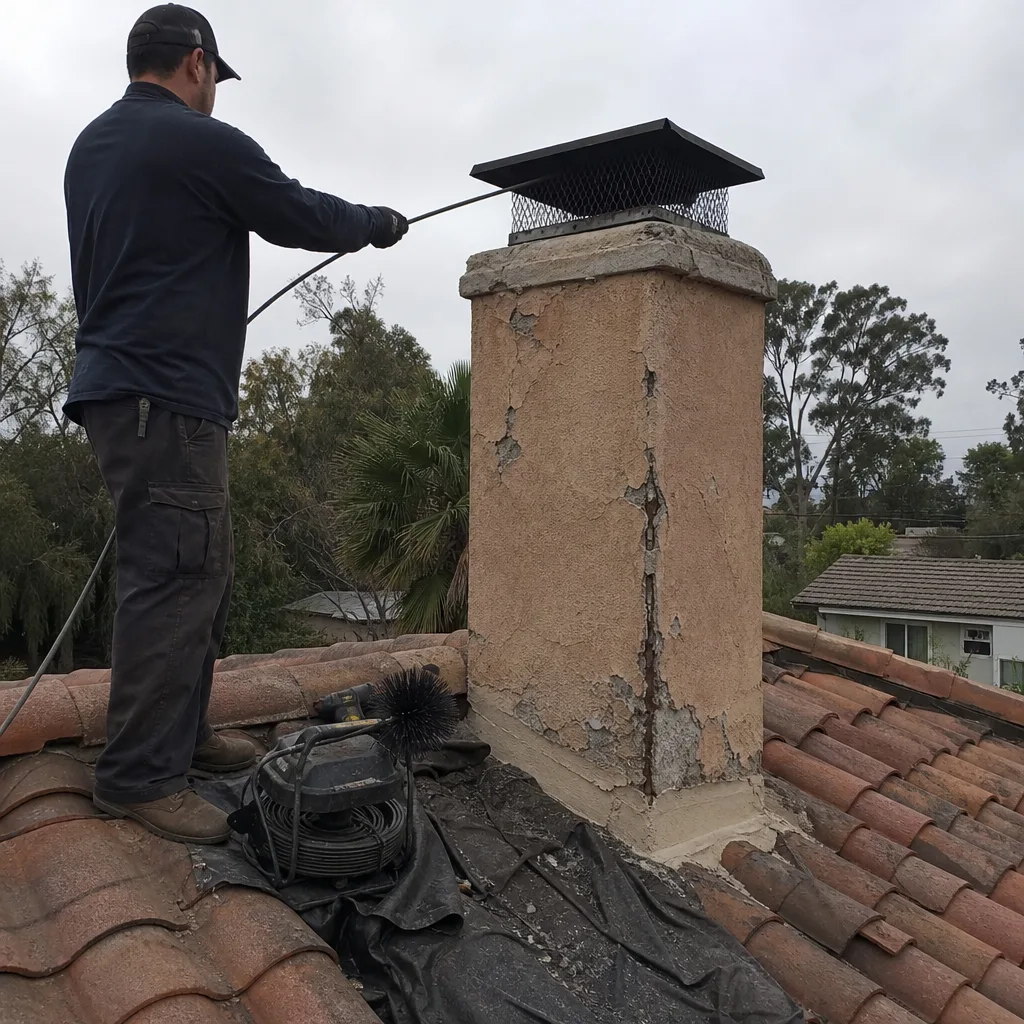 Before
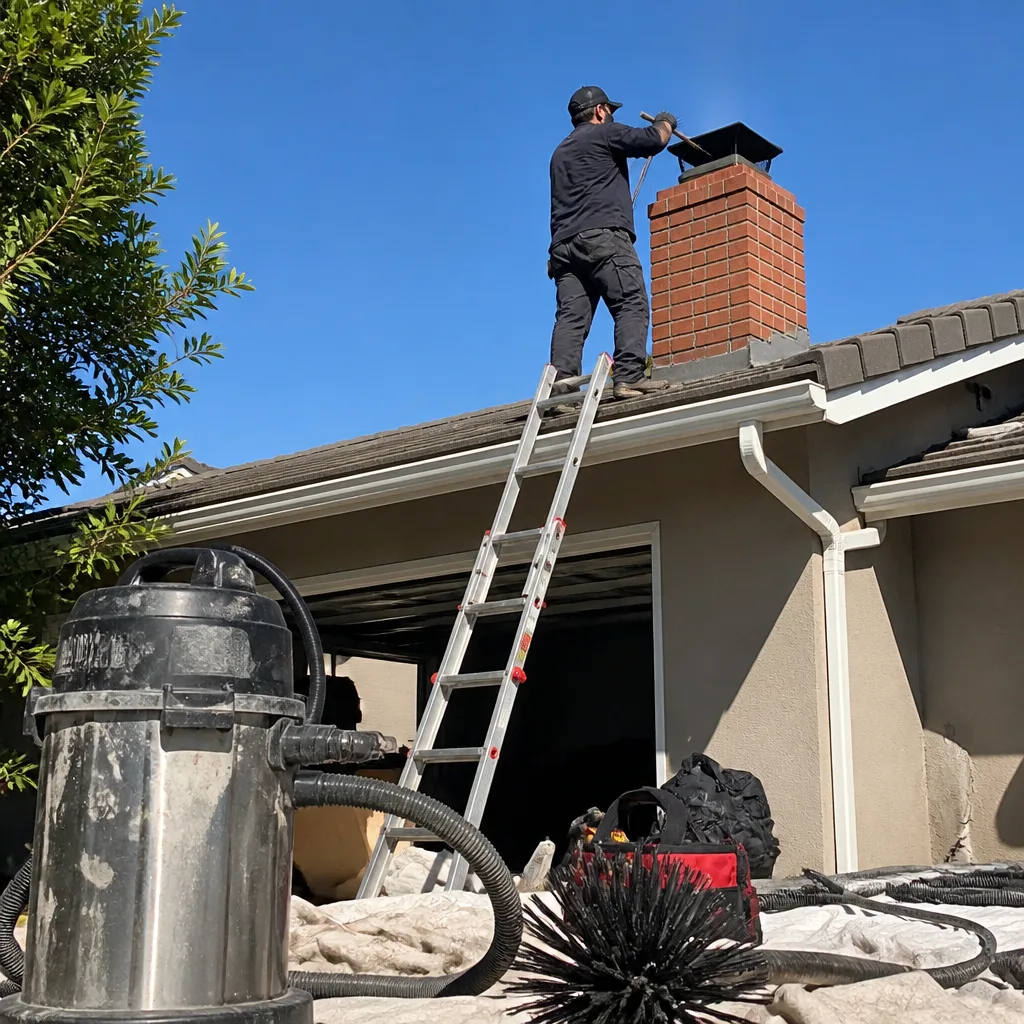 After
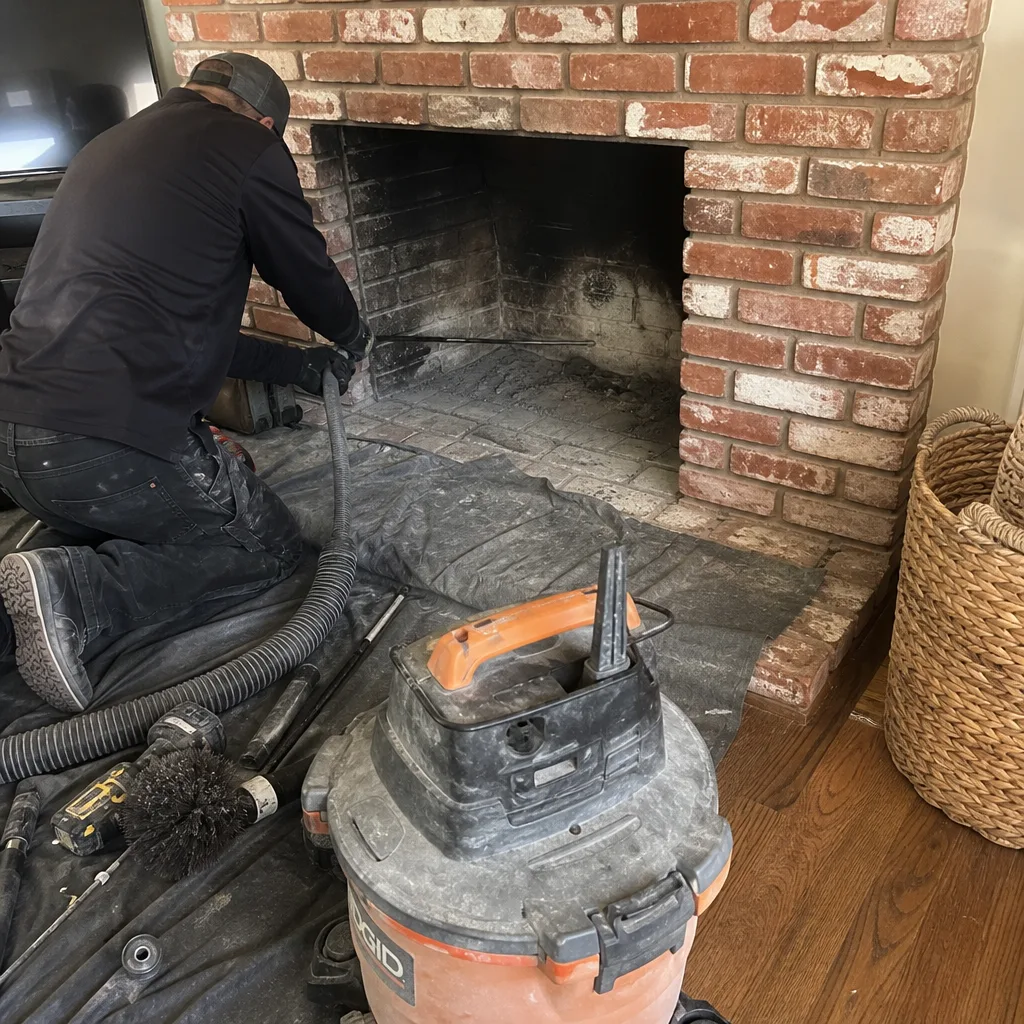 Before
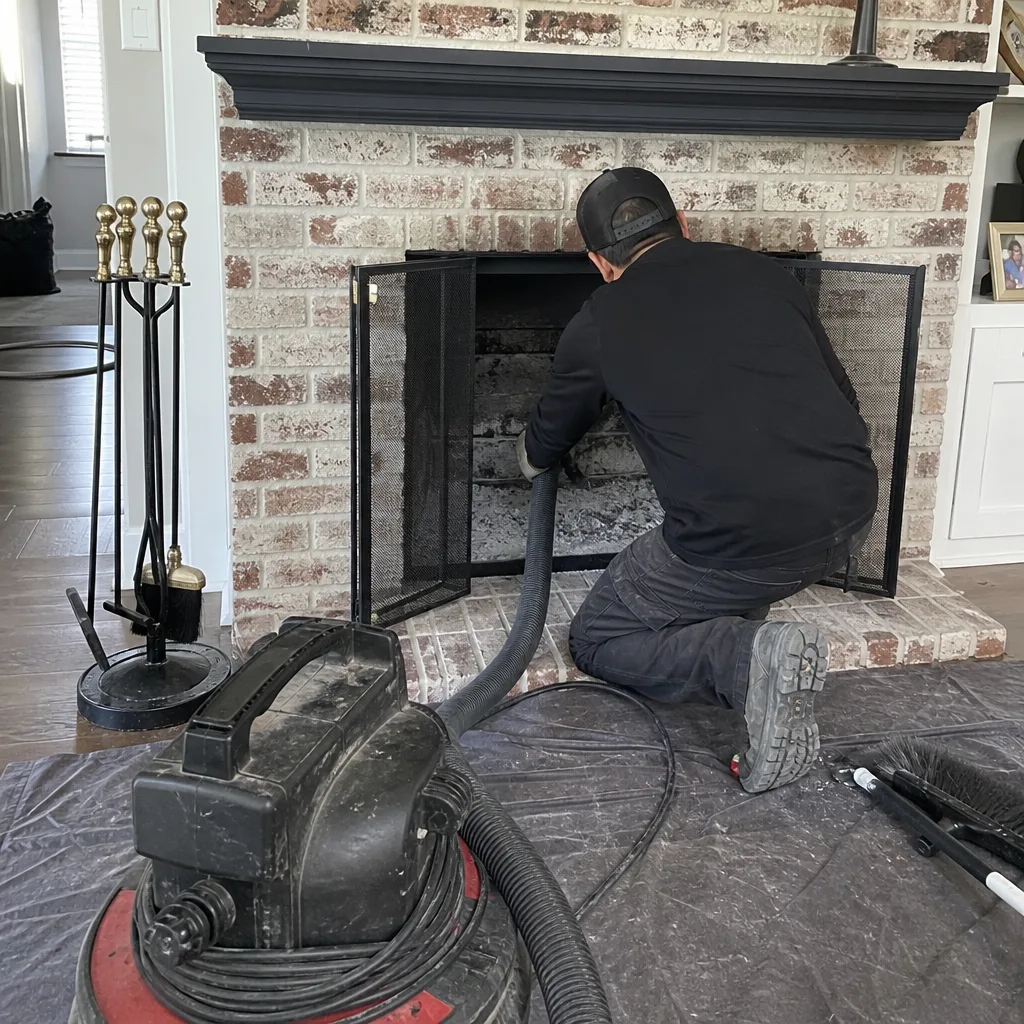 After
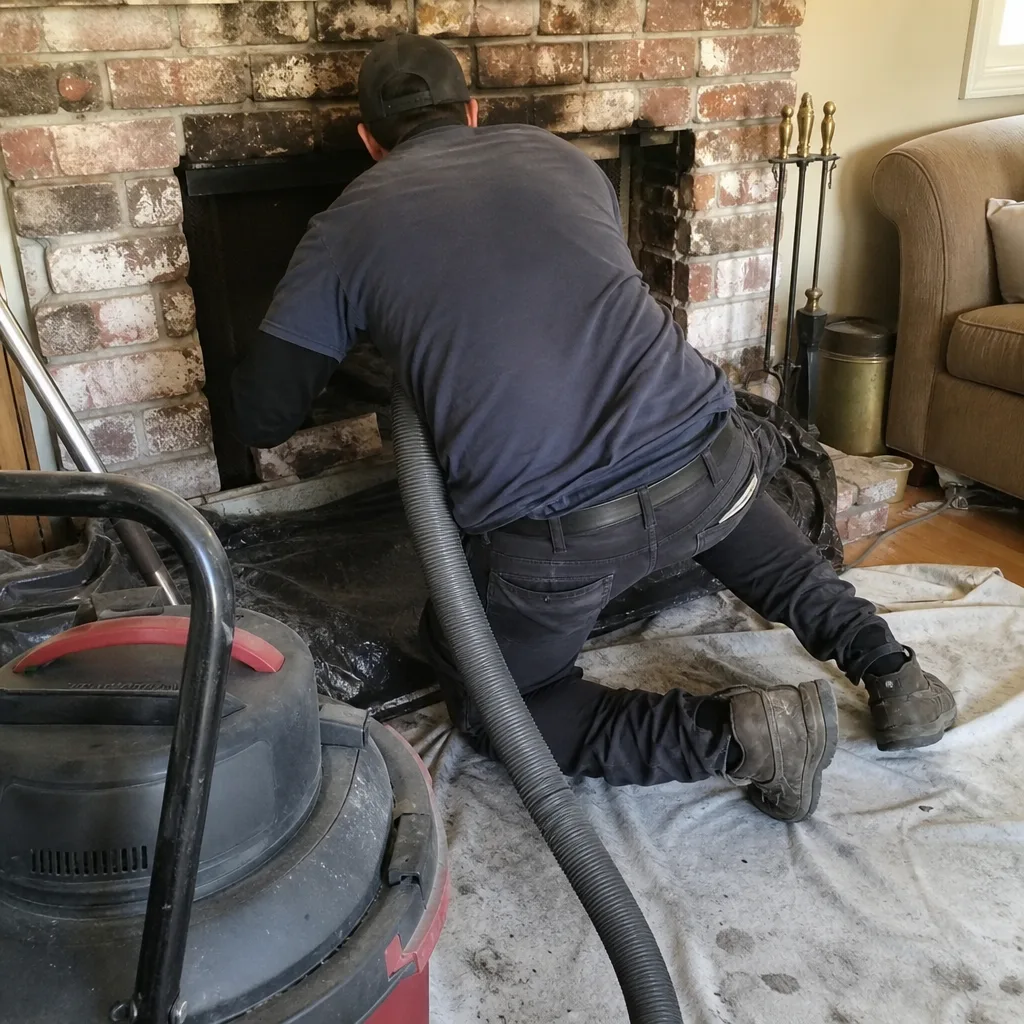 Before
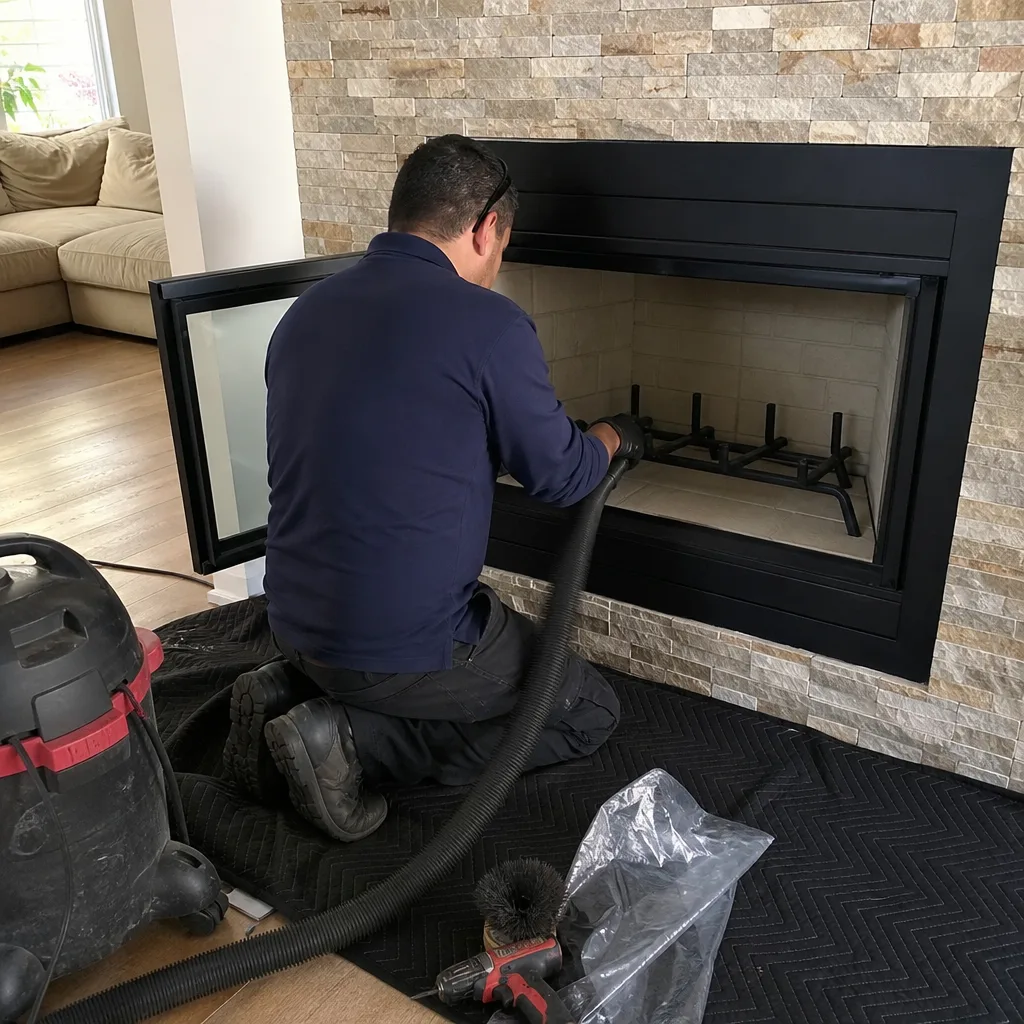 After