

Last updated October 30, 2026
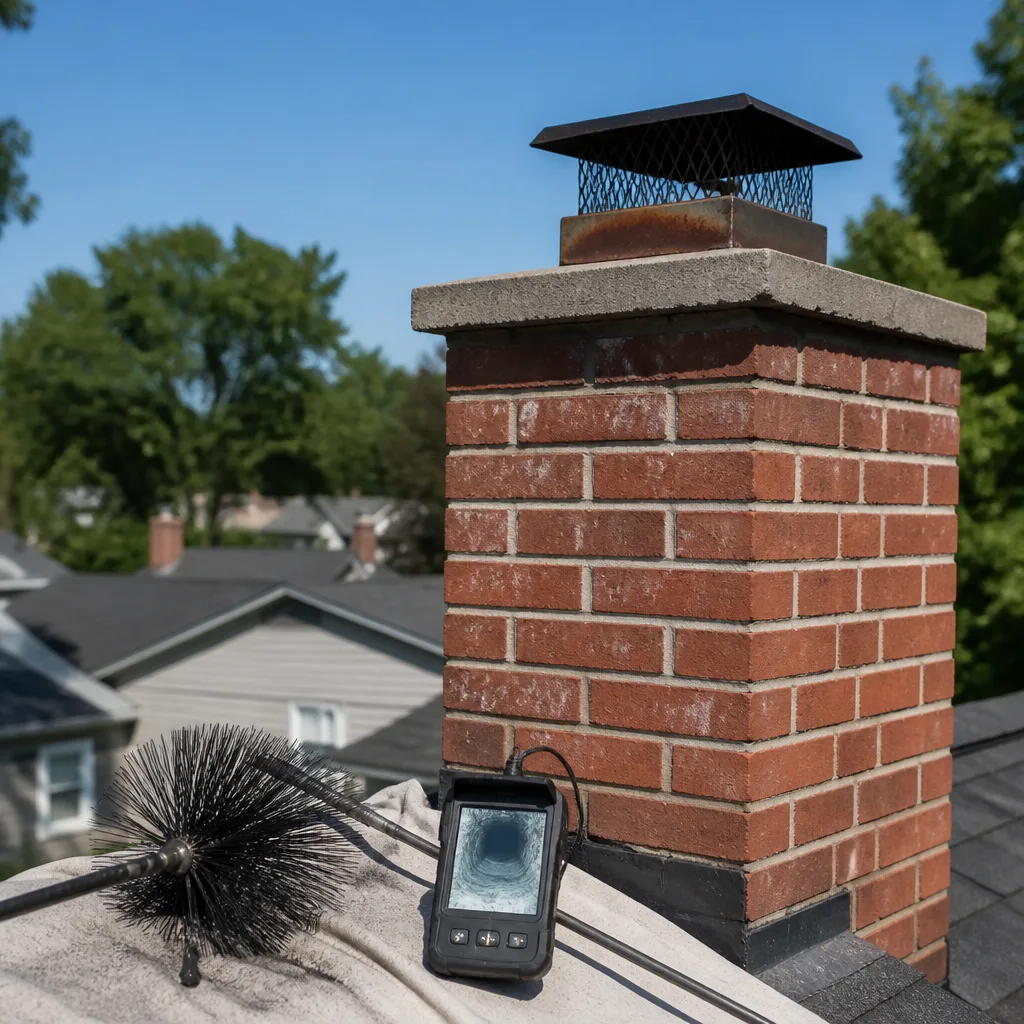 Sweep & inspection
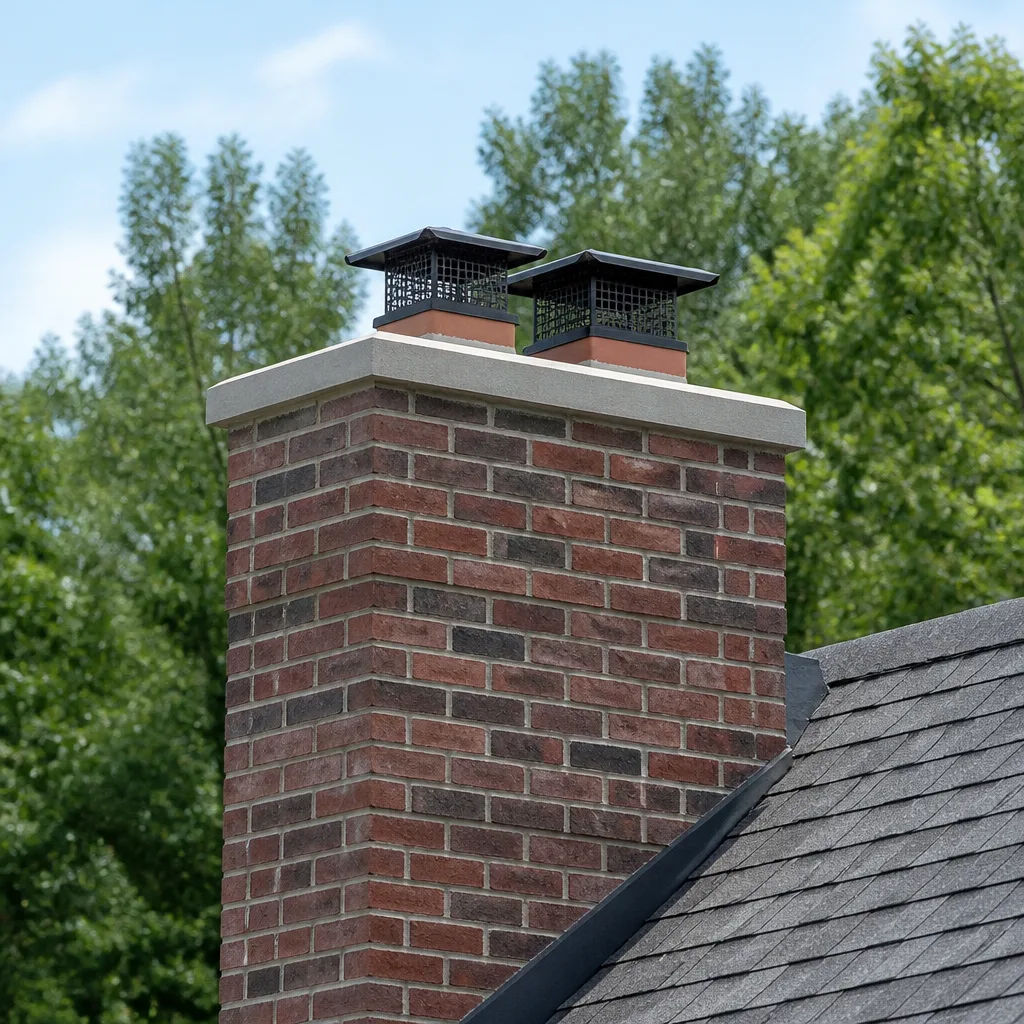 Caps & crowns
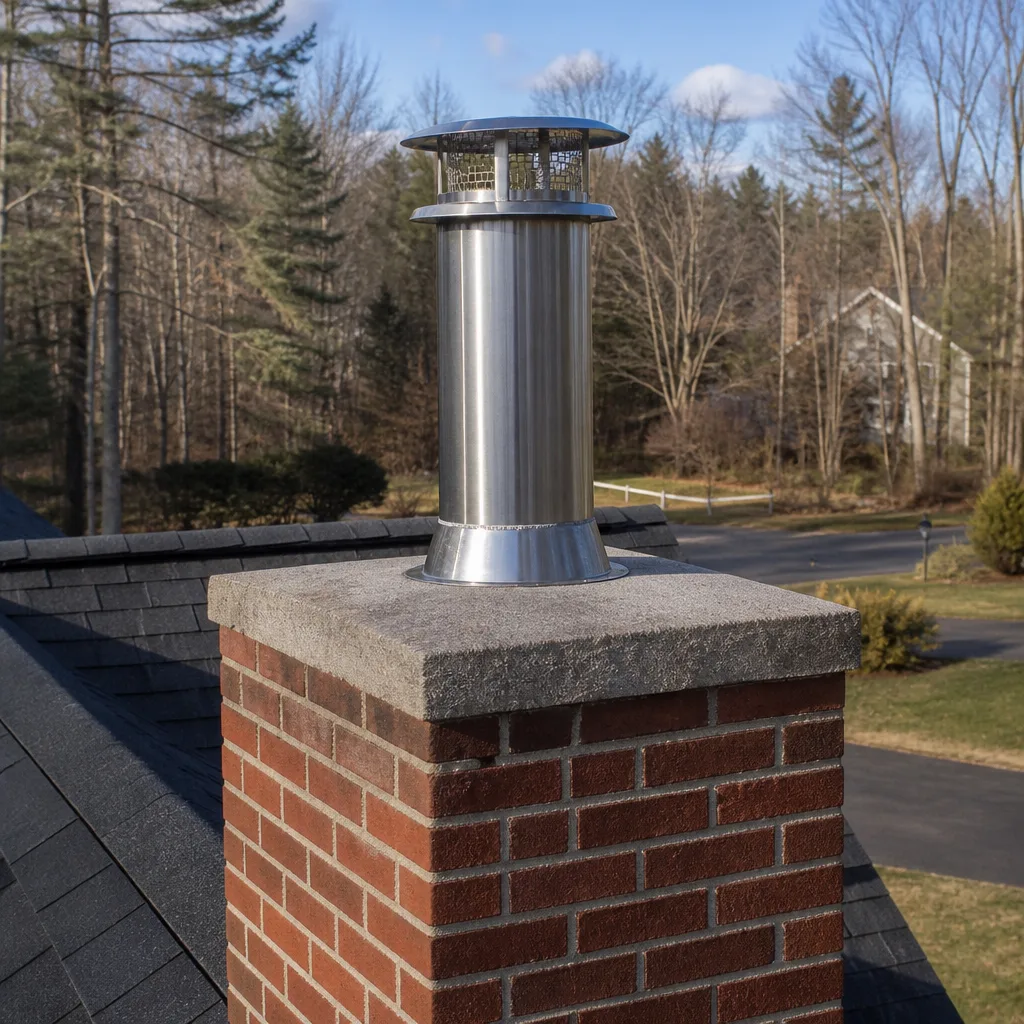 Flue relining
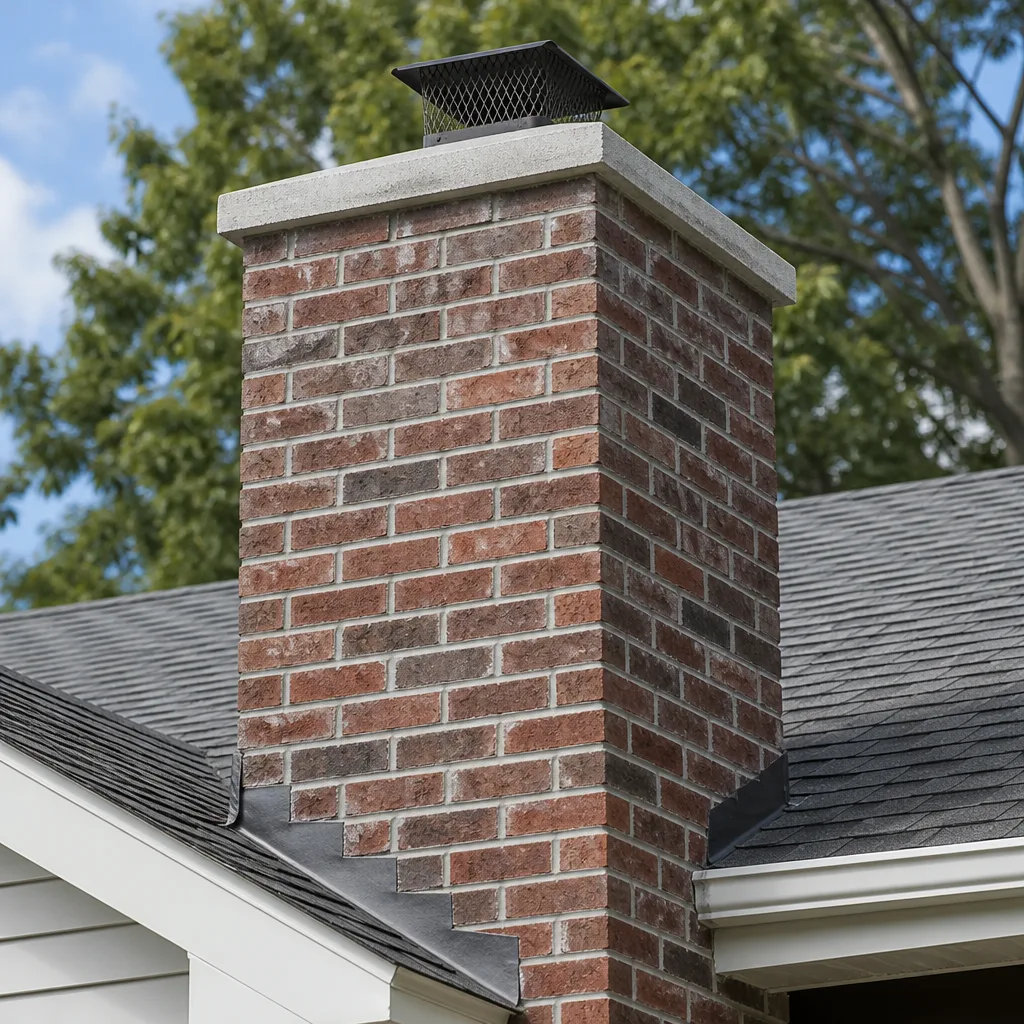 Masonry repair
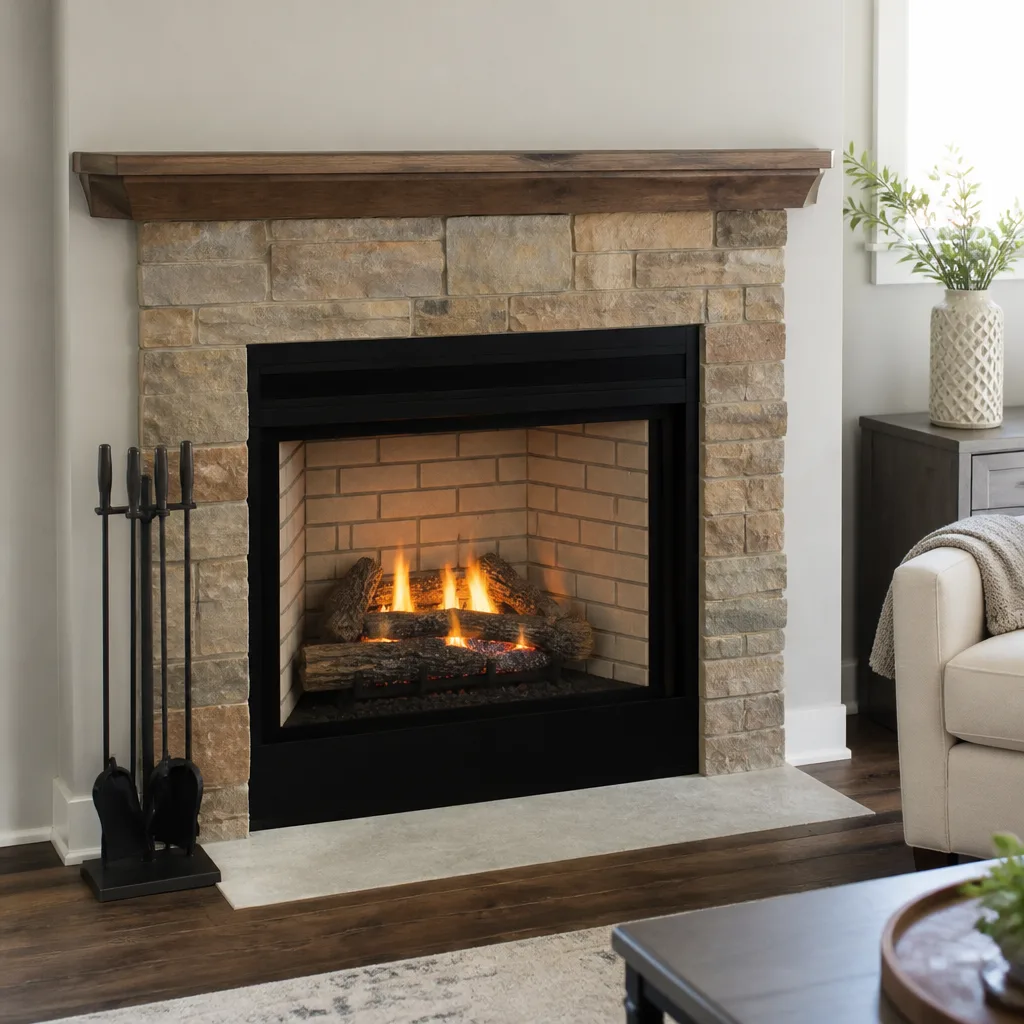 Gas fireplace service
Level 1 sweep and inspection to the NFPA 211 annual standard - flue, crown, cap, and flashing checked and photographed
Chimney sweep logs do not sweep chimneys. They loosen some creosote - which then falls where a brush and vacuum still have to collect it.
Chimney Cleaning Permits, Codes & Inspections in CA: What You Need to Know
California insurance adjusters are denying fire-damage claims at an accelerating rate when post-loss investigations uncover unpermitted chimney repairs. A homeowner in Orange who paid cash for a liner replacement five years ago may not realize that decision quietly voided the fire coverage on their home until the adjuster’s report lands on their doorstep. This guide—along with our more guides & resources—explains where California draws the line between routine cleaning (no permit, no problem) and structural alteration (permit required, insurance and resale consequences if skipped). We’ll walk through the specific code sections, the Orange municipal process, NFPA 211 documentation standards, and what a permit history means when you’re buying or selling. By the end, you’ll know exactly what to ask any contractor before they touch your chimney.
Styles & brands we work with
Quick Answer
Routine chimney sweeping and inspection do not require a permit anywhere in California, because they’re classified as maintenance rather than construction. However, any chimney repair that alters the flue, firebox, or structural masonry, including liner replacement, firebox rebuilds, and masonry reconstruction, falls under California Residential Code R1001 and local amendments, and generally requires a building permit. City of Orange homeowners should verify whether their specific job needs city sign-off through the Orange Building Division before work begins, and always retain written inspection reports whether or not a permit was required.
Table of Contents
- Cleaning vs. Repair: Where California Draws the Permit Line
- California Residential Code R1001 and What It Actually Requires
- How the City of Orange Municipal Code Interacts with State Fire Code
- NFPA 211 and Title 19: The Inspection Documentation Standard
- How to Request Your Home’s Chimney Permit History in Orange
- Real Estate Disclosure: What Sellers and Buyers Must Know
- What Chimney Permits Cost in Orange and Who Pulls Them
- Common Mistakes to Avoid
- When to Call a Professional
- Frequently Asked Questions
- The Bottom Line
Cleaning vs. Repair: Where California Draws the Permit Line
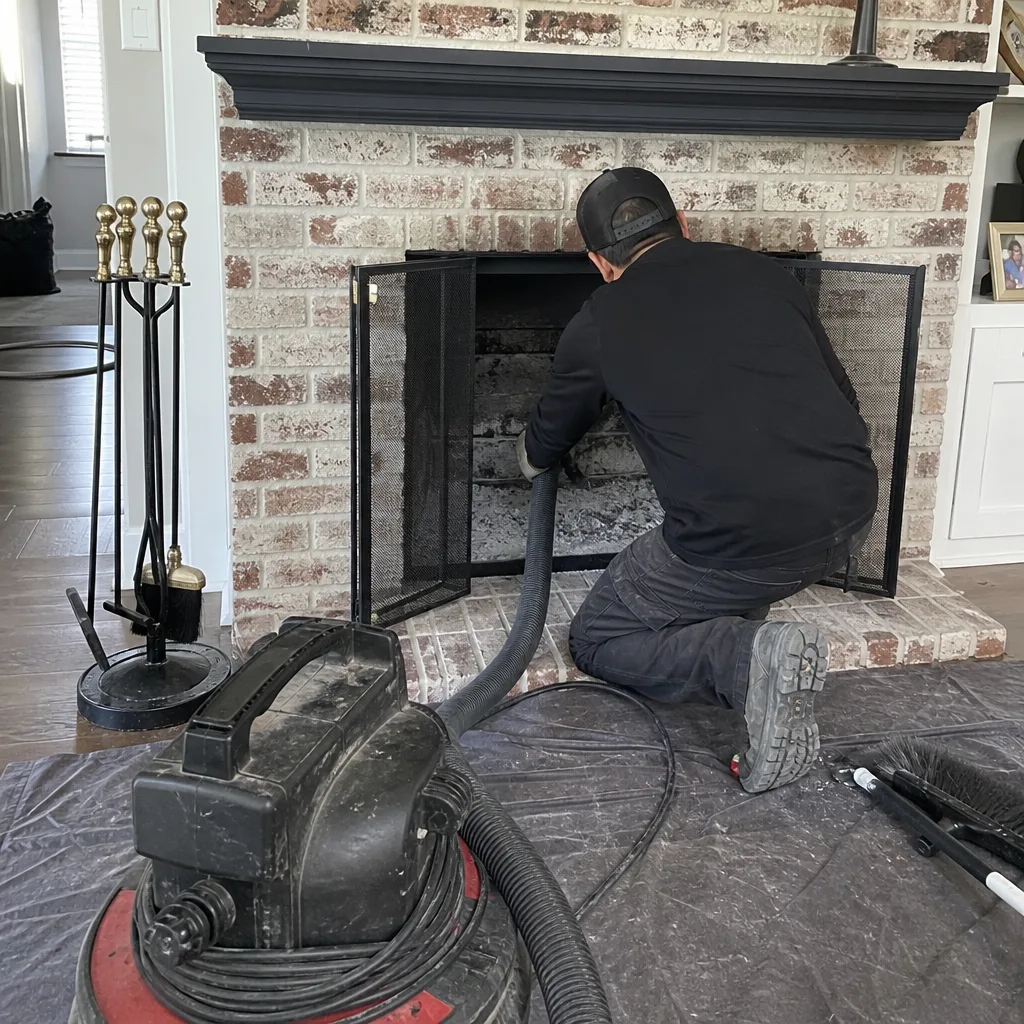
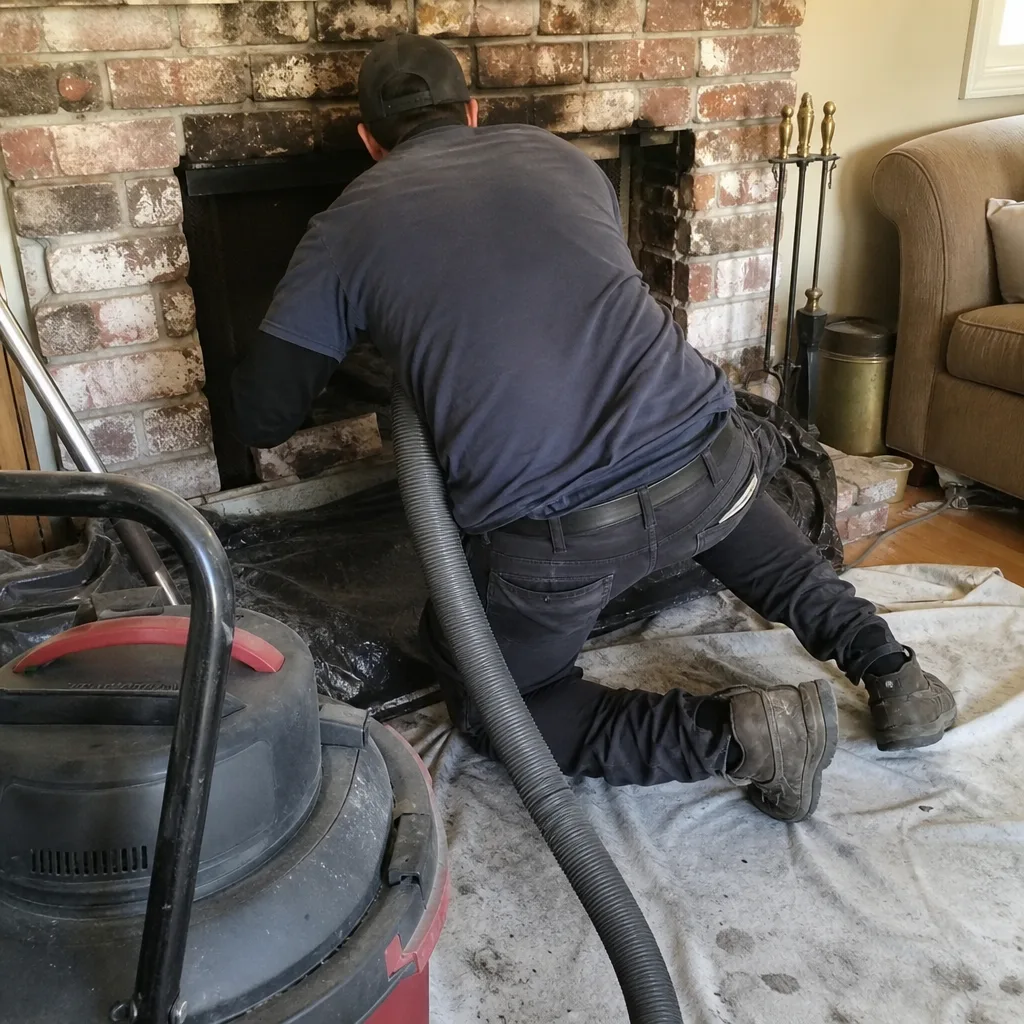
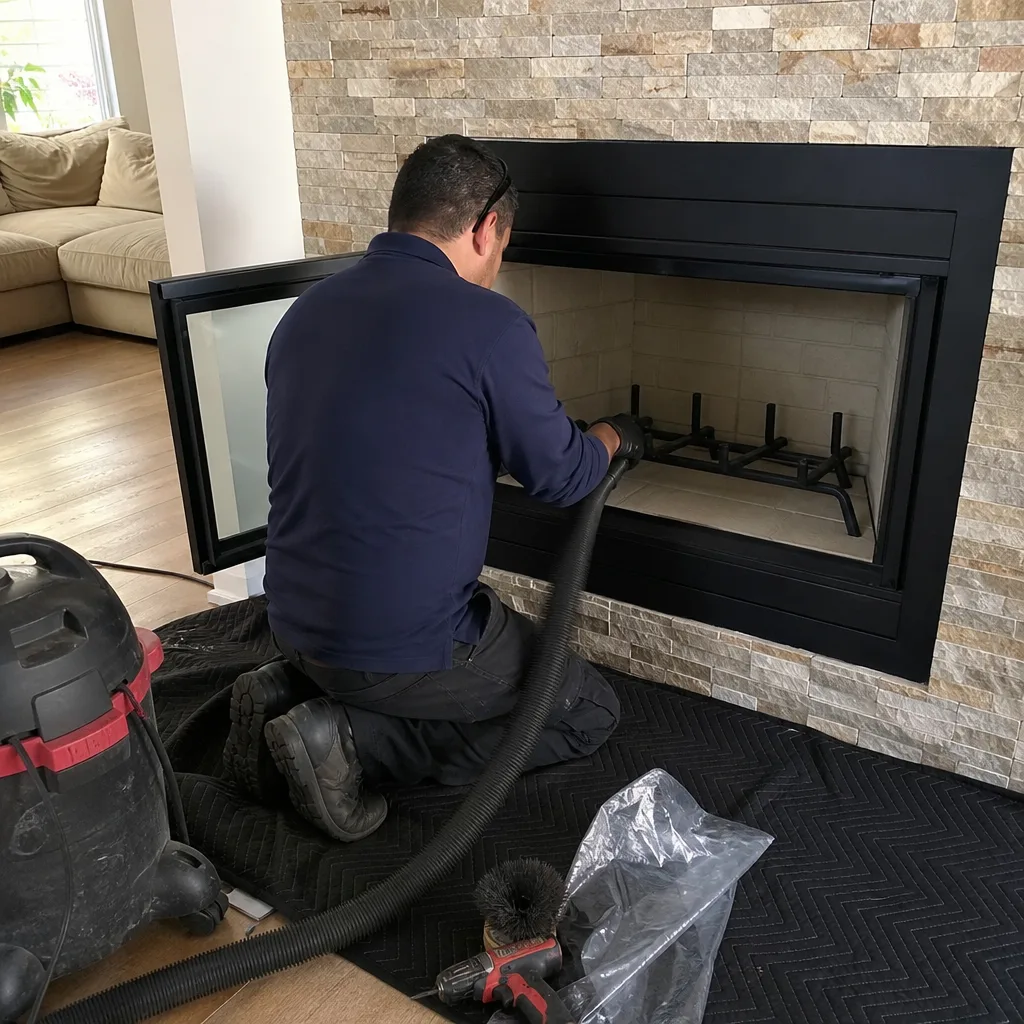
The distinction that matters most to California homeowners is the one between maintenance and alteration. A chimney sweep, meaning the mechanical removal of creosote and soot with brushes and vacuum equipment, is classified as routine maintenance per our Chimney Sweep Maintenance Checklist for Orange Homeowners. In 27 years of code interpretation, no California jurisdiction has required a permit for sweeping. The same goes for a Level 1 visual inspection performed alongside a cleaning. You don’t need city approval, you don’t need a file with the building department, and the report your sweep provides is yours to keep.
Repair work sits on the other side of the line. The California Residential Code, specifically section R1001, governs masonry chimneys, and any repair that changes the structure, the flue pathway, or the firebox dimensions triggers the alteration classification. Here are the services as they typically break down:
- No permit required: Creosote removal, flue brushing, smoke chamber cleaning, Level 1 or Level 2 camera inspection, minor crown sealing with elastomeric coating, cap installation where the flue tile is not altered.
- Permit typically required: Stainless steel liner installation, clay flue tile replacement, firebox rebuild with refractory panels, smoke chamber parging that changes dimensions, masonry repair that requires removing more than 10% of the chimney’s exterior face, and complete chimney rebuilds.
- Gray area, call the city: HeatShield or similar resurfacing products. Some California jurisdictions classify spray-on liner restoration as maintenance because the existing flue structure remains intact. Others classify it as alteration because the flue’s internal surface and performance characteristics change. Orange homeowners should confirm before scheduling.
The practical takeaway: if a sweep identifies damaged flue tiles, a cracked firebox, or spalling brick, the fix will likely require Orange Building Division involvement. A company that offers both Chimney Sweep in Orange and repair under one roof can handle both the identification and the permitted repair without a handoff.
California Residential Code R1001 and What It Actually Requires
California adopts the International Residential Code with state-specific amendments, and R1001 is the section that governs masonry chimneys in one- and two-family dwellings. The code’s core requirements are specific and measurable. A masonry chimney must be lined with approved materials: clay flue tile, firebrick, or listed stainless steel systems. The flue liner must be continuous from the firebox to the chimney top. Fireboxes must be constructed of firebrick or listed refractory materials with a minimum 4-inch thickness. Clearance to combustibles, meaning the distance between the chimney’s exterior masonry surface and any wood framing, must be at least 2 inches for interior chimneys and 1 inch for exterior chimneys.
What R1001 means in practice for an Orange homeowner is that any repair which touches the liner, the firebox, or the clearance distances becomes a code-compliance event. A contractor who pulls a permit for a liner replacement is certifying, through the inspection process, that the new liner meets R1001.3 and the clearance distances remain compliant. A contractor who skips the permit is asking you to trust them with no third-party verification. We’ve seen post-fire investigations in Orange where the absence of a permit for liner work, even work performed well, was enough for an adjuster to deny a claim, as covered in our Chimney Cleaning Warning Signs: A Orange Homeowner’s Reference Guide. The workmanship wasn’t the issue. The unpermitted status was.
Here’s what a permitted chimney repair in Orange typically involves:
- The contractor or homeowner files a permit application with the Orange Building Division, including a scope of work describing the specific repair.
- For liner replacements or rebuilds, a simple plan or manufacturer’s spec sheet is submitted (DuraFlex and Copperfield both publish installation specs recognized by California jurisdictions).
- The city issues the permit once fees are paid. Work proceeds.
- At minimum, one rough inspection is required, typically before the chimney is closed up or the liner is concealed. This is the critical inspection: the inspector verifies the liner, clearance, and firebox construction.
- A final inspection closes the permit once the work is complete and the chimney passes visual inspection.
- The permit remains on file with the city. Any future buyer can pull the permit history, which becomes an asset at resale.
The sequence matters because the rough inspection is the point where code violations get caught. Skip the permit and you also skip the rough inspection, which means any code deficiencies stay hidden inside your chimney until a fire reveals them—one of many issues we address in our Chimney Sweep Troubleshooting: Common Problems and How to Fix Them.
How the City of Orange Municipal Code Interacts with State Fire Code
The City of Orange adopts the California Building Code and California Fire Code with local amendments, and enforces them through the Orange Building Division. For chimneys, the practical interaction is straightforward: the state fire code, adopted through Title 19, sets the performance standard, and the Orange Building Division enforces it at the permit and inspection level. When you replace a chimney liner in Orange, you’re not just satisfying the state code. You’re creating a city record that the work was inspected and approved.
There’s a second layer that Orange homeowners often overlook: the Orange Fire Department’s enforcement of fire code provisions during resale inspections and complaint-driven visits. If a neighbor reports heavy smoke from your chimney, or if a fire inspection occurs during a sale, the fire inspector will look for visible chimney defects. Cracked crowns, missing caps, spalling bricks, and rusted chase tops are all flaggable. The fire inspector won’t have your permit history in front of them, but if they see evidence of recent liner work that doesn’t match city permit records, they can refer the property to the Building Division for investigation.
For Orange homeowners, the practical rule is this: if the job changes the flue’s structure or the firebox, you need city sign-off. County approval doesn’t substitute, because Orange operates its own building department. A contractor telling you that “county approval is all you need” in Orange is giving you advice that won’t hold up if an insurance adjuster or future buyer asks for city records.
NFPA 211 and Title 19: The Inspection Documentation Standard
NFPA 211 is the national standard for chimneys, fireplaces, vents, and solid fuel-burning appliances, and California adopts it by reference through Title 19 of the California Code of Regulations. The adoption makes NFPA 211 enforceable in California, but more importantly for homeowners, it establishes the inspection levels that any reputable chimney professional follows.
The three inspection levels under NFPA 211 are specific:
- Level 1: A visual inspection of readily accessible areas, performed during routine cleaning when the system hasn’t changed and no performance issues are reported. This is what you receive with a standard chimney sweep in Orange.
- Level 2: A more detailed inspection, including video scanning of the flue interior, required when a property changes hands, after a chimney fire, after an earthquake, or when the appliance or liner is changed. Orange’s earthquake risk makes Level 2 inspections more common here than in most of the country.
- Level 3: An invasive inspection that requires opening concealed areas of the chimney or building structure, reserved for cases where hidden hazards are suspected and the first two levels can’t rule them out.
What Title 19 adoption means practically is documentation. A professional sweep in Orange should be providing you with a written report that identifies the inspection level, describes findings, and includes photos or video where Level 2 was performed. Insurance companies increasingly ask for this documentation after a chimney-related claim. If you can produce a Level 2 report from two years ago showing a clean flue and intact liner, you’re in a much stronger position than a homeowner with no records. We recommend keeping inspection reports for at least seven years, matching the typical insurance lookback window.
For repair work, the NFPA 211 standard also governs what materials are acceptable. Listed stainless steel liners from manufacturers like DuraFlex and Copperfield meet the standard’s material requirements, as do listed spray-on restoration systems like HeatShield. When we spec repair work in Orange, we use these lines specifically because their listing documentation satisfies NFPA 211 and holds up under both city inspection and insurance review. Cheaper unlisted liners from overseas suppliers fail this test.
How to Request Your Home’s Chimney Permit History in Orange
Before any repair quote, you should know what work has already been done on your chimney and whether it was permitted. The City of Orange makes this research accessible, but the process is manual and most homeowners never do it. Here’s the step-by-step:
- Start with the Orange Building Division’s online permit portal. You’ll need your address and, in most cases, the parcel number from your property tax bill. The portal allows searches for permits associated with your property.
- If the portal doesn’t show chimney work, don’t assume it was never permitted. Orange’s older permit records, especially those predating digital archiving (roughly 1990s and earlier), may exist only in physical form. Call the Building Division directly and request a records search.
- Request the specific permit types: building permits for chimney alterations, mechanical permits for liner changes, and any final inspection sign-offs. Ask for the inspection card if available, which shows the rough and final inspection dates.
- If no chimney permits exist for your property but you know work was done, that’s a red flag. It means either the work was unpermitted, the records were lost, or the work predated Orange’s current recordkeeping. This matters for insurance and resale.
- Keep a copy of anything you receive. When you sell, this documentation answers buyer questions before they become objections.
The permit history matters for one more reason: it tells you whether your chimney’s current configuration is legal. We’ve encountered Orange homes where a past owner converted a wood-burning fireplace to gas without a permit, and the original masonry flue was never sized or lined for gas appliances. The conversion worked, but it violated code and created a carbon monoxide risk that no one knew about until we ran a camera through the flue.
Real Estate Disclosure: What Sellers and Buyers Must Know
If a chimney defect is identified during a cleaning or inspection, California disclosure law does not let you pretend you never saw the report. Sellers in Orange are obligated to disclose known material defects, and a written chimney inspection report identifying a cracked flue liner or damaged firebox is a known material defect. Failing to disclose it exposes you to post-sale liability where the buyer can recover repair costs, and in egregious cases, additional damages. California’s disclosure requirements on chimney issues are strict enough that sellers should treat any professional inspection report as a document that will surface during escrow.
For buyers, the mechanics work differently. A standard home inspection includes a visual chimney check, but most home inspectors do not run a camera through the flue. NFPA 211 actually requires a Level 2 inspection whenever a property changes hands, which means a video scan. Many Orange buyers skip this, and then discover after close that the chimney needs a $6,000 liner replacement. Requesting a Level 2 inspection during escrow, and reviewing the seller’s permit history, is the single most protective chimney step a buyer can take.
There’s a wrinkle specific to Orange’s housing stock. The city includes a significant number of mid-century homes built before 1960, when chimney construction standards varied and terra cotta liners were installed without insulation. These liners are now reaching end of life, and when a seller’s inspection identifies a deteriorated mid-century liner, the disclosure obligation triggers whether or not the seller repairs it. Buyers should enter escrow on older Orange homes with the expectation that a chimney inspection will find something requiring attention, and negotiate accordingly.
What Chimney Permits Cost in Orange and Who Pulls Them
Orange building permit fees for chimney work are based on the job’s valuation, which is the total cost of the work including materials and labor. A liner replacement running $4,000 to $7,000 in Orange typically carries a permit fee in the $150 to $400 range. A full chimney rebuild valued higher will push the permit fee up proportionally. These figures are ballpark, not quotes, and the Building Division will confirm exact fees when you file.
The question of who pulls the permit matters more than the fee. A licensed contractor working on your home in Orange should pull the permit under their license, not ask you to pull it as the homeowner. When the homeowner pulls the permit, the homeowner assumes liability for code compliance, and the contractor can walk away from inspection failures. There are legitimate reasons a homeowner might pull their own permit, but in the chimney trade, a contractor asking you to pull the permit often signals they are unlicensed or avoiding the paper trail. We pull permits for every repair we perform in Orange that requires one, and we don’t consider it optional.
Here’s what a full permitted chimney repair might cost, in Orange market terms, as of current pricing:
- Chimney sweep with Level 1 inspection: $150 – $250, no permit
- Level 2 video inspection: $100 – $300, no permit
- Stainless steel liner installation, permitted: $3,500 – $7,000 depending on height and access
- HeatShield liner restoration, permit status varies by city: $2,500 – $4,500
- Firebox rebuild with refractory panels, permitted: $1,800 – $3,500
- Crown repair with elastomeric sealant: $500 – $1,200, typically no permit
- Full chimney rebuild from roofline, permitted: $8,000 – $15,000
These numbers reflect what we see quoted and performed in Orange. They will vary by chimney height, roof access, and the condition of the surrounding masonry. For exact pricing on your chimney, call us at (833) 407-0587 for a free estimate.
Common Mistakes to Avoid
- Treating a liner replacement as routine maintenance. Many homeowners assume a liner swap is like a sweep, but it’s an alteration under R1001. Skipping the permit here is the single most common reason insurance claims get denied after chimney fires.
- Not requesting written inspection reports. A verbal “everything looks fine” gives you no documentation when you sell, when you file a claim, or when a future defect gets discovered. Always request the written report.
- Letting a contractor choose materials without knowing the brand. Unlisted liners fail NFPA 211 and city inspection. Ask what system is being installed, and if it’s not a listed brand like DuraFlex or Copperfield, question it.
- Skipping the Level 2 inspection on an older Orange home purchase. Mid-century chimneys reaching end of life are a pattern in this city’s housing stock. Skipping the camera inspection to save $200 is a false economy.
- Assuming the city inspector will catch everything. Orange’s inspectors are thorough, but they inspect to code minimums. A chimney that passes inspection can still have performance issues a specialist would catch.
- Hiring a chimney sweep who also can’t repair. A sweep that finds a cracked liner and then refers you to a mason leaves you coordinating two contractors, two schedules, and a gap where the hazard remains. We built Chimney Repair in Orange as a same-visit continuation of the sweep specifically to close that gap.
- Not checking permit history before buying. A $30 records request in Orange can reveal an unpermitted liner conversion that becomes your problem, your liability, and your negotiation leverage before escrow closes.
When to Call a Professional
Chimney cleaning is not a dangerous DIY project the way liner work is, but the inspection that accompanies a proper sweep requires trained eyes. Call a professional in Orange when you notice any of these: visible creosote buildup thicker than 1/8 inch on the flue walls, smoke drifting into the room during fires, a persistent damp or smoky odor when the fireplace is idle, spalling or flaking brick on the exterior chimney face, rust on the damper or firebox, or any white staining on the masonry that suggests water penetration. After a chimney fire, even a small one, do not use the fireplace until a Level 2 inspection confirms the liner’s integrity. We also recommend calling after any earthquake strong enough to rattle dishes, given Orange’s seismic exposure. Prestige Chimney offers free estimates in Orange; call (833) 407-0587.
Frequently Asked Questions
The NFPA 211 standard, adopted in California through Title 19, recommends an inspection and cleaning whenever creosote thickness reaches 1/8 inch, and at minimum once per year for wood-burning fireplaces in regular use. Orange homeowners who burn during the rainy season from November through March should schedule an annual sweep in late summer or early fall, before the first fire.
Yes. California requires a contractor’s license for chimney repair work that exceeds $500, which includes most liner and masonry jobs. Sweeping and inspection alone fall into a grayer area, but any company you hire should carry a state contractor’s license and insurance. Our Prestige Chimney home page details our full service scope in Orange.
You can sell it, but California disclosure law requires you to disclose known material defects, and an unpermitted liner is both a material fact and a defect under most disclosure interpretations. You will likely face buyer demands for credit or remediation, and the defect may surface as a specific disclosure item during escrow. Permitted and inspected work protects both parties.
Expect $150 to $250 for a standard sweep with a Level 1 inspection in Orange. Homes with heavier creosote buildup, awkward roof access, or multiple flues may run higher. We provide exact quotes over the phone; call (833) 407-0587 and we’ll walk through your chimney’s specifics.
That depends on the condition of the existing flue. HeatShield restoration can resurface a liner with damaged mortar joints or minor flue tile cracks, often avoiding a full replacement, but it’s not appropriate for a liner that has collapsed or separated. A Level 2 video inspection gives you the evidence to know which path applies to your chimney. We never recommend a repair we can’t show you on camera.
Three consequences, in order of likelihood: your insurance company denies a future chimney-related claim, your buyer’s inspector flags the unpermitted work during escrow and you pay to cure it, and the Orange Building Division requires you to pull a permit retroactively if the work is discovered, which carries additional fees and may require opening up finished work for inspection. The permit process exists to verify that the work meets code, and skipping it leaves you holding that verification burden alone.
If you have both a fireplace and a clothes dryer, yes. Dryer vents are a separate system from the chimney, but they accumulate lint the same way chimneys accumulate creosote, and the U.S. Fire Administration identifies dryer vent fires as the leading appliance-related fire cause in American homes. Most chimney-only companies don’t offer Dryer Vent Cleaning in Orange, so homeowners end up with two contractors. We handle both systems because they share the same risk profile: combustible buildup in a concealed vent.
The Bottom Line
Chimney cleaning in California never requires a permit, but the repair work it uncovers usually does, and the difference between those two categories determines your insurance coverage, your resale position, and your family’s fire safety. Orange homeowners should treat permitted chimney work as an asset, not an inconvenience: it creates the paper trail that protects you when a claim gets filed or a buyer starts asking questions. Request your permit history before any repair quote. Demand written inspection reports on every visit. And choose a contractor who pulls permits as a matter of course, not as an upsell. If your chimney has gone uninspected for more than a year in Orange, now is the time to correct that. Call (833) 407-0587 for a free estimate, and we’ll give you a straight answer, documented on camera, about what your chimney actually needs.
Written by the team at Prestige Chimney, serving Orange since 2017.
See the difference
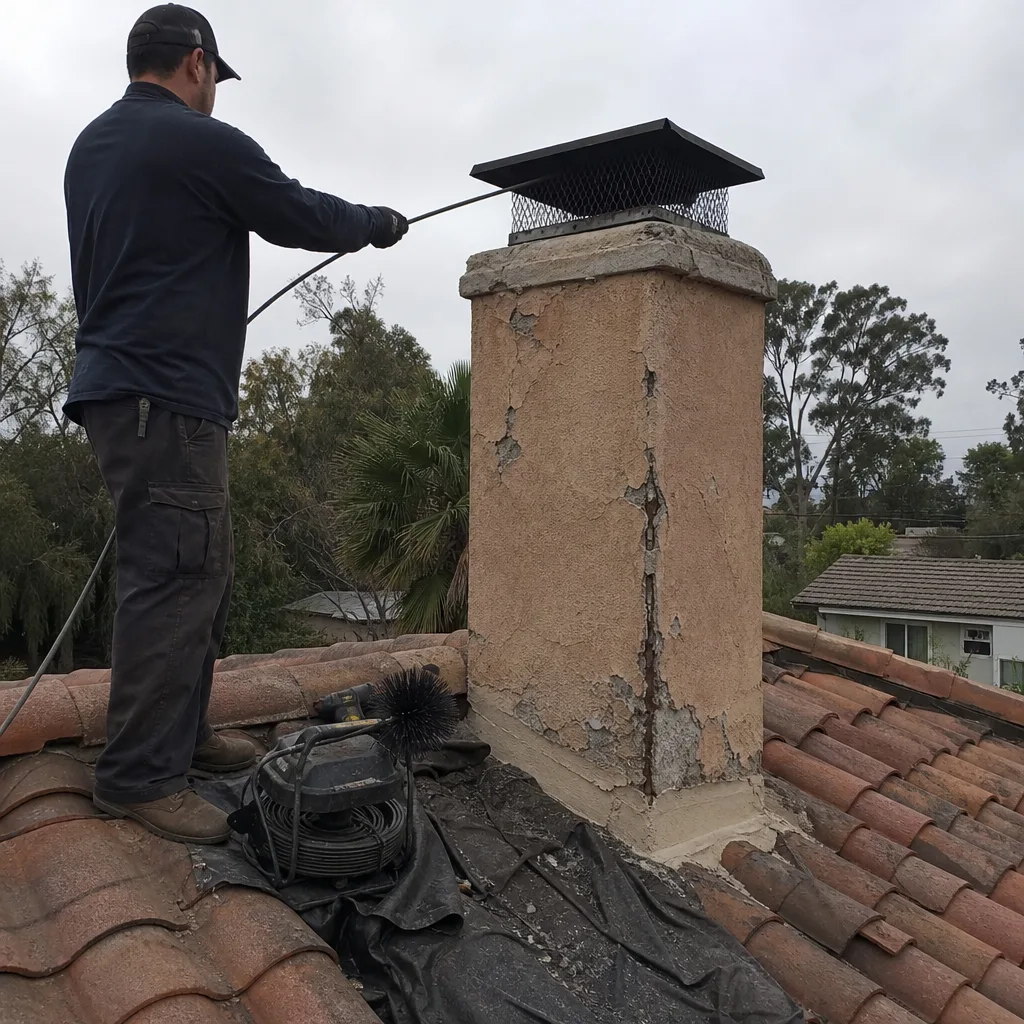 Before
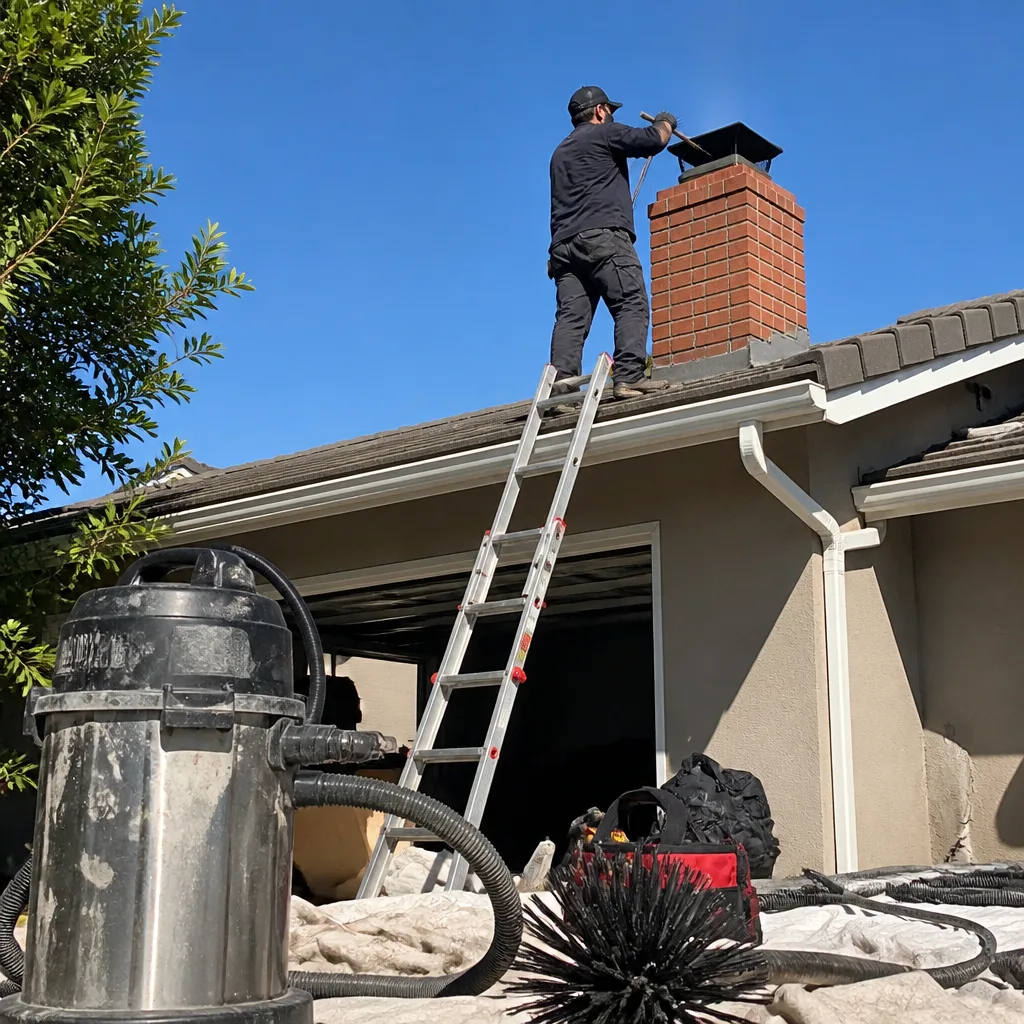 After
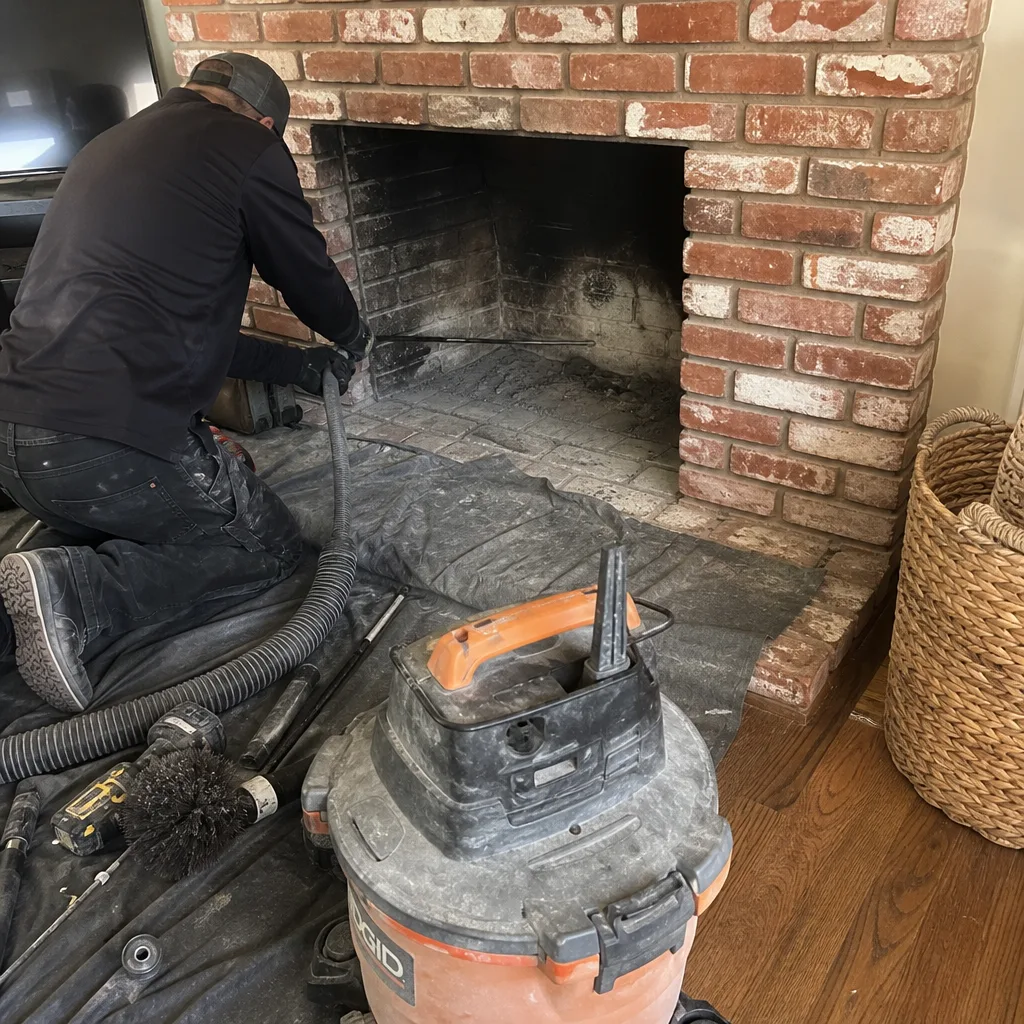 Before
 After
 Before
 After