
Last updated October 30, 2026
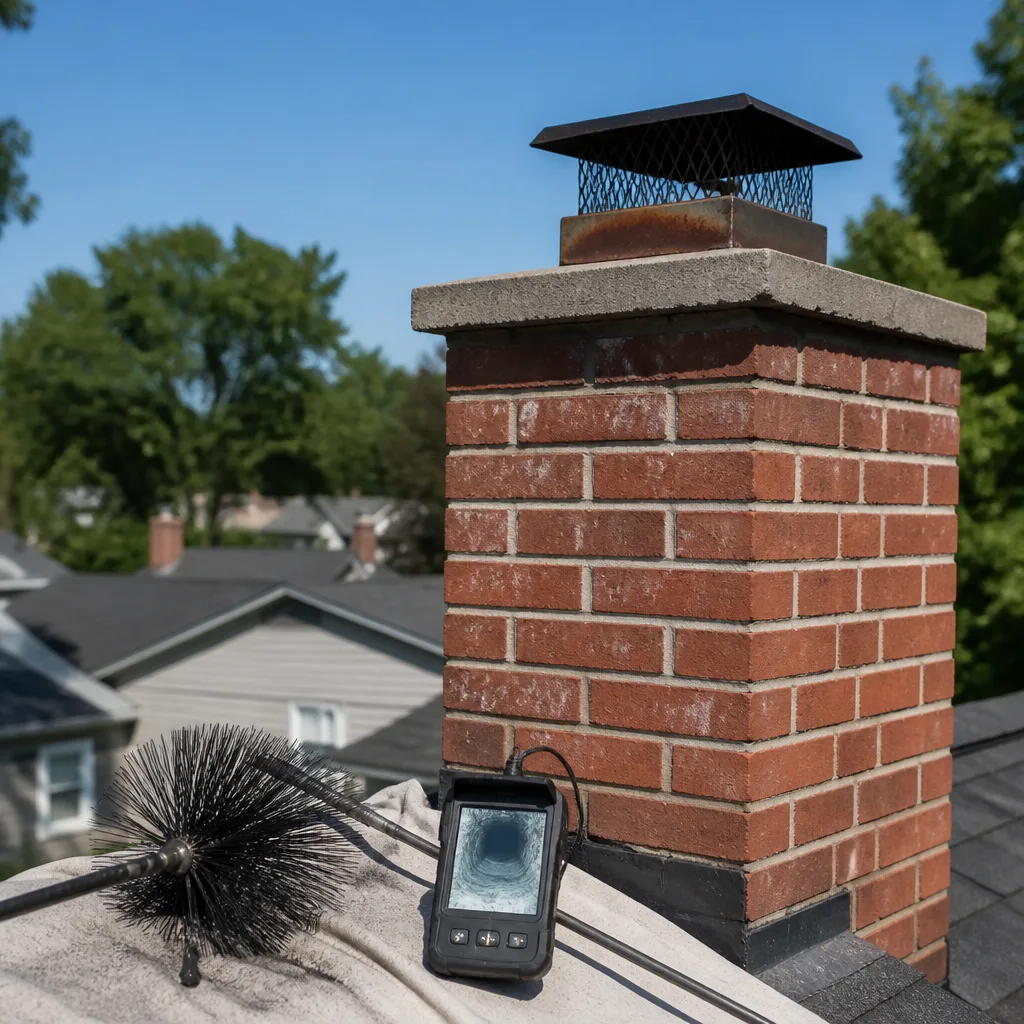 Sweep & inspection
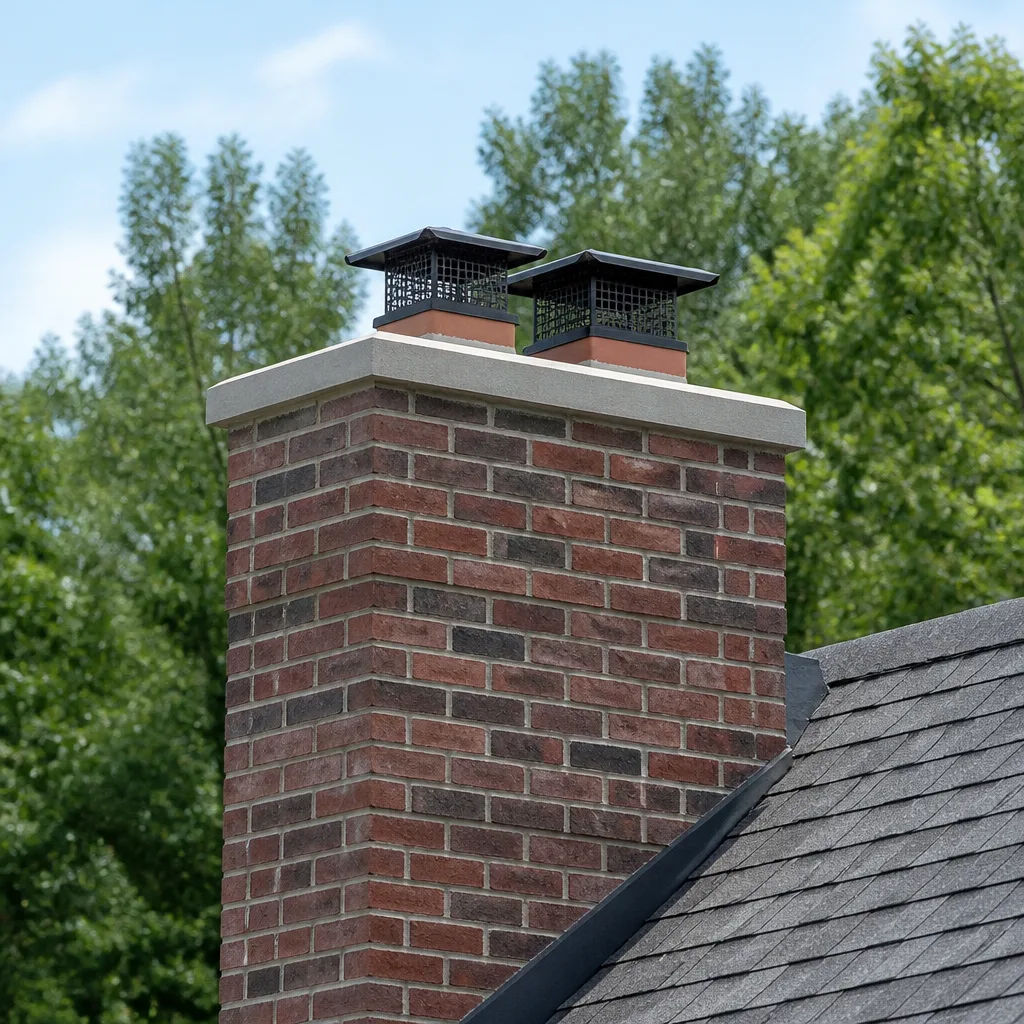 Caps & crowns
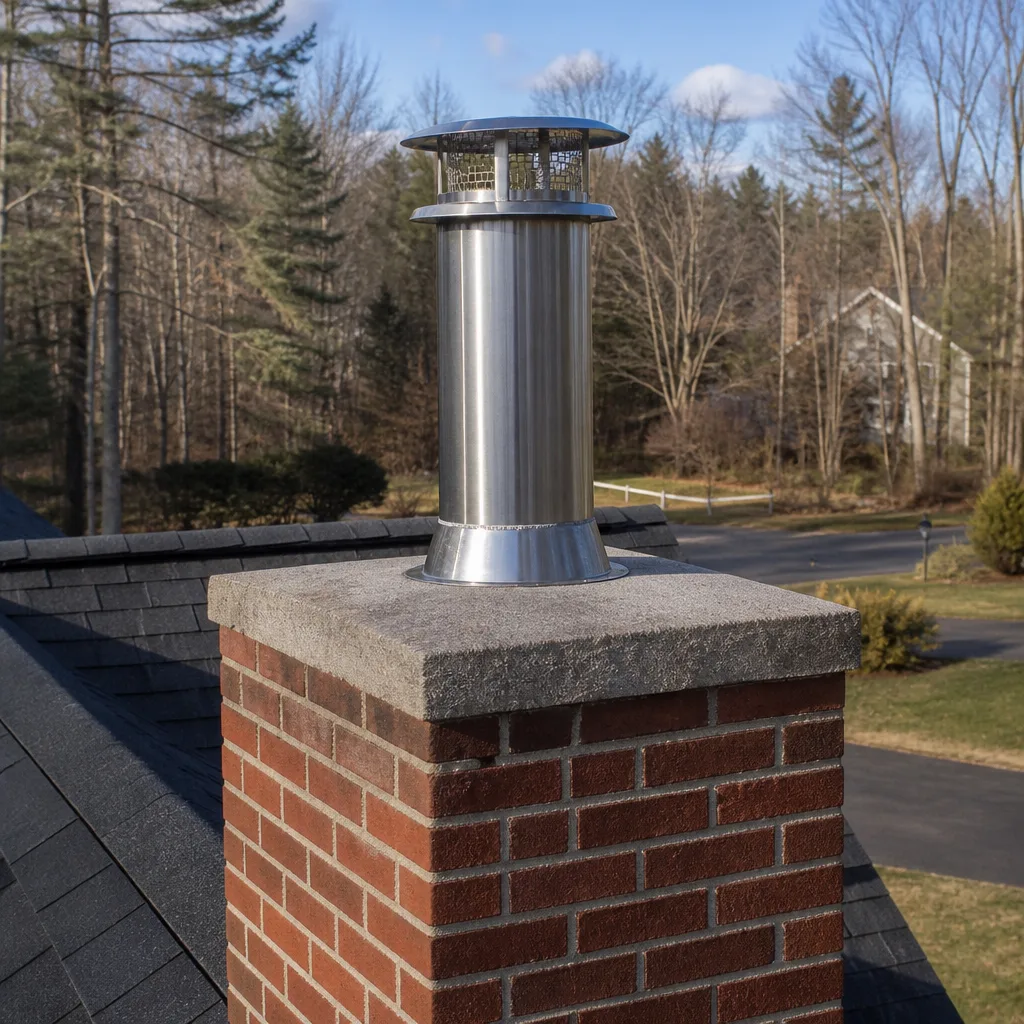 Flue relining
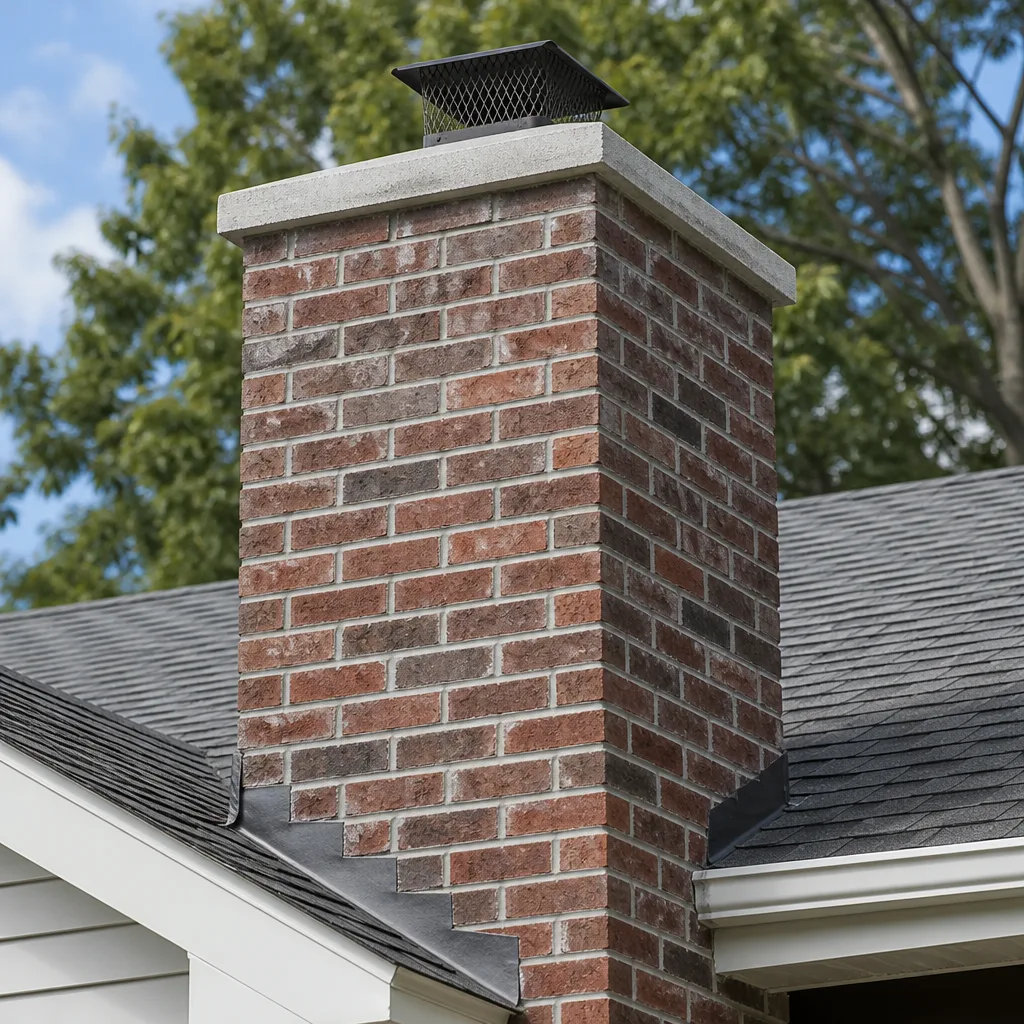 Masonry repair
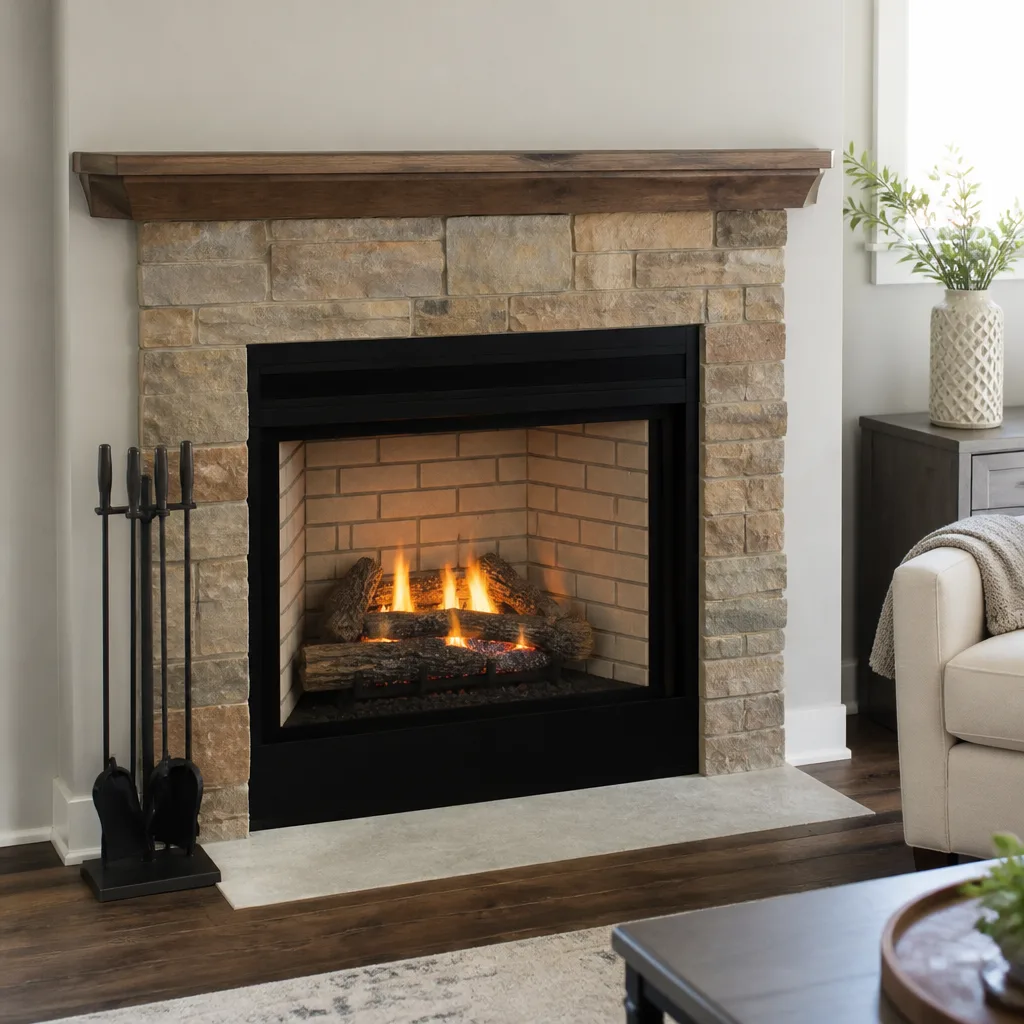 Gas fireplace service
Level 1 sweep and inspection to the NFPA 211 annual standard - flue, crown, cap, and flashing checked and photographed
Chimney sweep logs do not sweep chimneys. They loosen some creosote - which then falls where a brush and vacuum still have to collect it.
Chimney Cleaning Cost Breakdown: The Orange Homeowner’s Reference for 2026
Orange County has a problem with cheap chimney sweep ads. The $99 flyer stuffed in your mailbox or the “special” promoted on social media is rarely what you’ll pay when the technician actually shows up. The Orange County District Attorney’s consumer protection office has documented bait-and-switch patterns in the chimney trade for years, and homeowners here remain a prime target because of how many older fireplaces exist in the area. This guide—along with our broader more guides & resources—breaks down what a legitimate chimney cleaning actually costs in Orange in 2026, line by line, so you can tell the difference between a real finding and a pressure tactic before you commit. We’ll cover pricing for sweeps, inspections, creosote removal, cap work, and dryer vents, plus what California law requires in a written estimate.
Styles & brands we work with
Quick Answer
A professional chimney sweep in Orange, CA costs between $180 and $320 in 2026 for a standard cleaning with a Level 1 inspection on a regularly used fireplace. If you need Level 2 video inspection, Stage 2 or 3 creosote removal, or cap replacement, the total typically lands between $350 and $650 depending on what the inspection actually finds. Any advertised price under $120 should be treated as a foot-in-the-door quote, not a complete service price.
Table of Contents
- The Real Cost of a Chimney Sweep in Orange for 2026
- Why the $99 Chimney Cleaning Ad Is a Loss Leader
- Itemized Cost Breakdown: What Every Line Item Should Cost
- Legitimate Findings vs. Fabricated Upsells: How to Tell the Difference
- Prefabricated Fireplace Pricing: When Replacement Parts Get Expensive
- The Bundling Math: Sweep + Dryer Vent + Cap Inspection
- What a Binding Written Estimate Must Include in California
- Creosote Removal by Stage: What Each Level Actually Means
- Common Mistakes to Avoid
- When to Call a Professional
- Frequently Asked Questions
- The Bottom Line
The Real Cost of a Chimney Sweep in Orange for 2026
Orange homeowners pay between $180 and $320 for a professional chimney sweep and Level 1 inspection in 2026. That price reflects what a licensed, insured company with professional equipment actually charges in this market, where overhead, insurance, and labor costs run higher than the national average. The range exists because of variables: fireplace type, creosote volume, roof access difficulty, and whether the flue has been cleaned in the last two years all shift the number.
We see consistent patterns across Orange neighborhoods. Older ranch homes in the area around the Orange Circle, many built in the 1960s and 1970s, often have masonry fireplaces with clay tile liners that accumulate creosote faster due to less efficient airflow. Homes in newer developments east of the 55 freeway frequently have prefabricated or factory-built fireplaces, which clean faster but can have completely different cost structures when components fail.
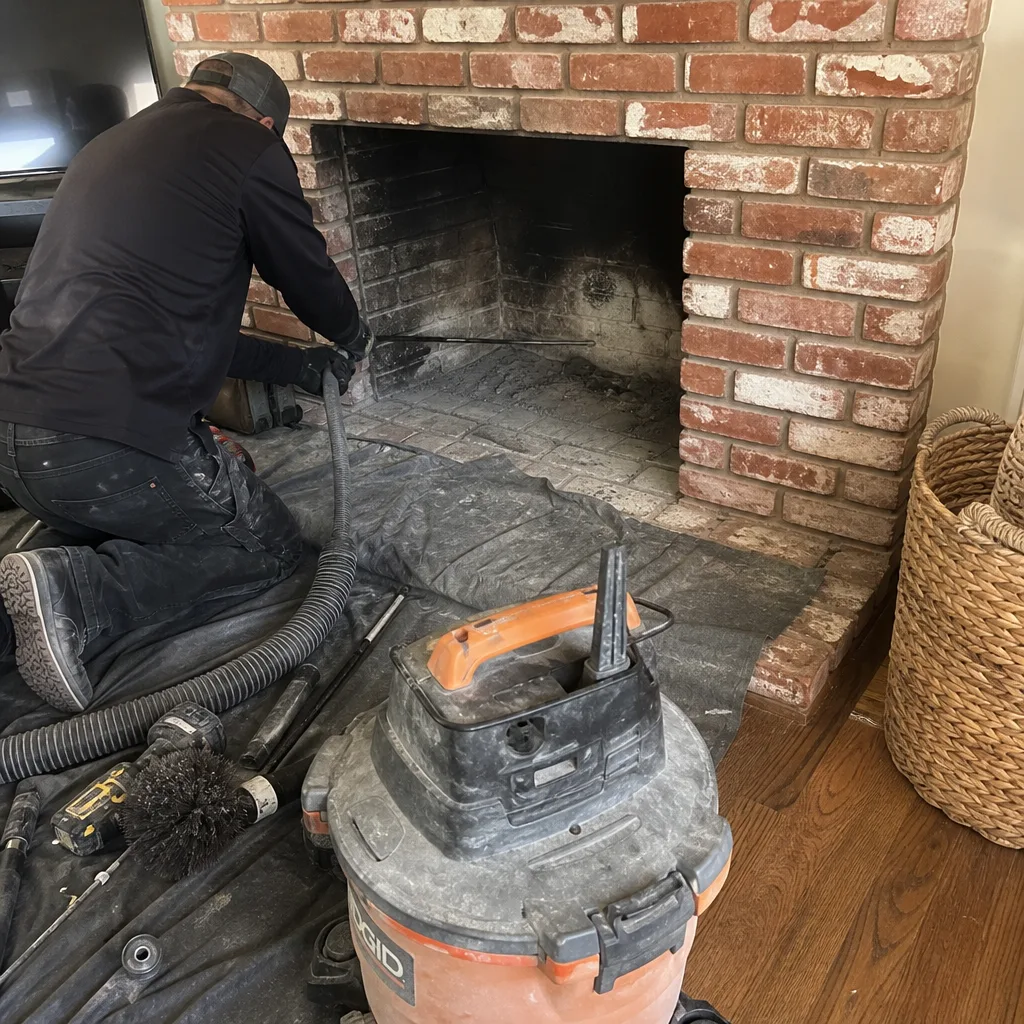
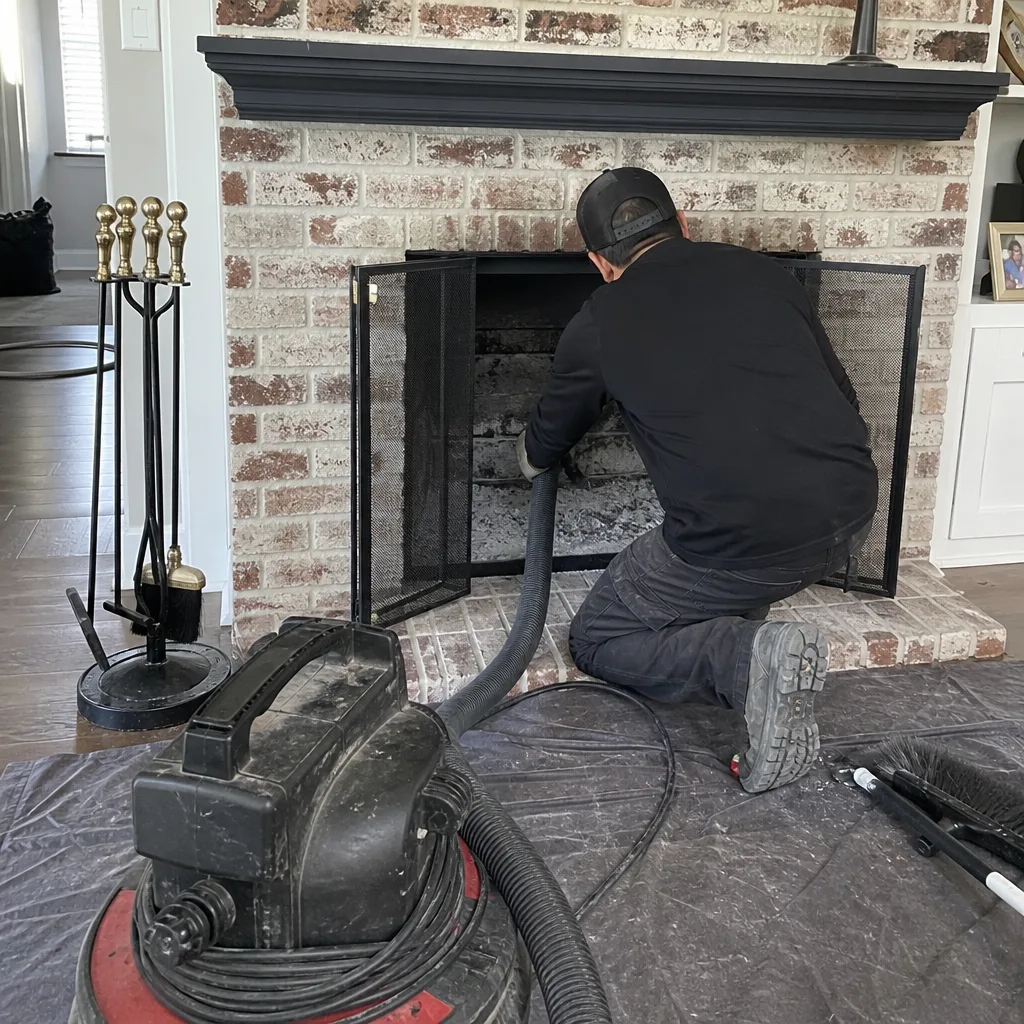
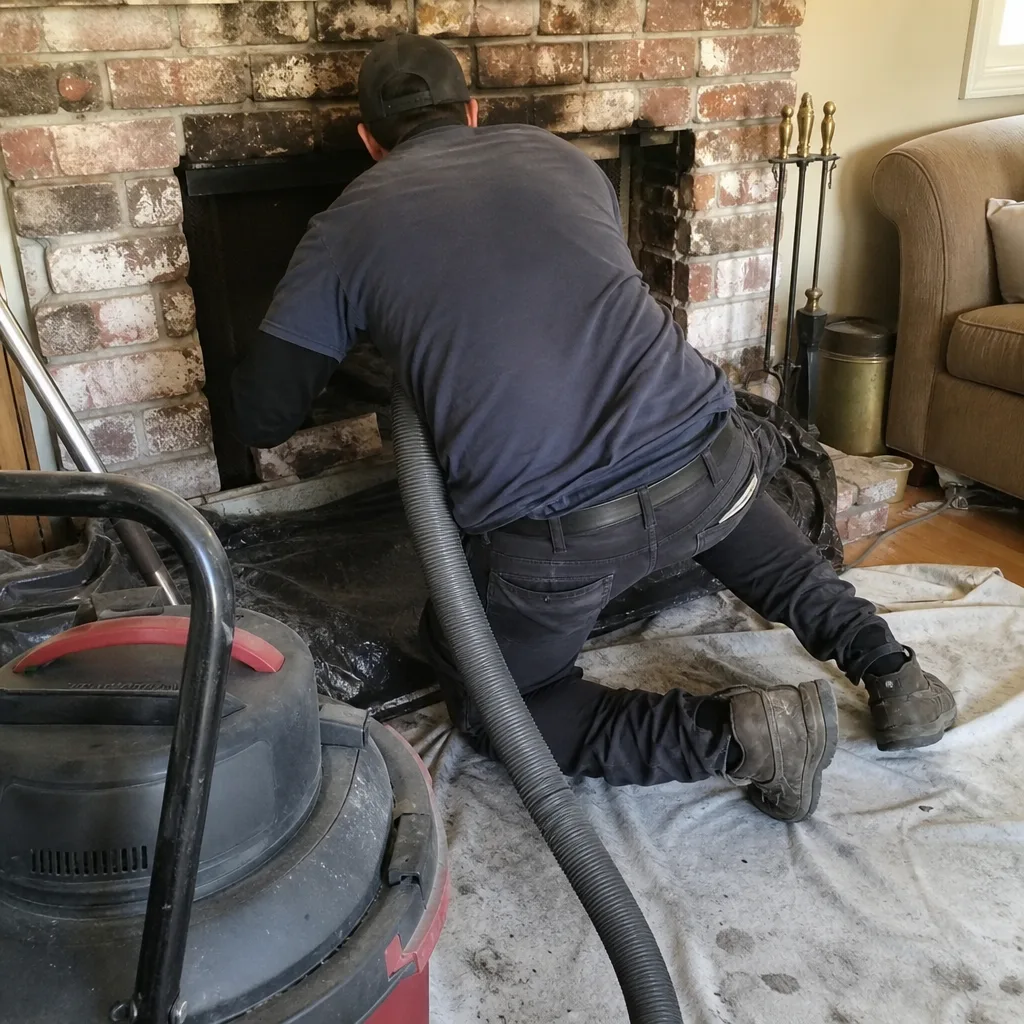
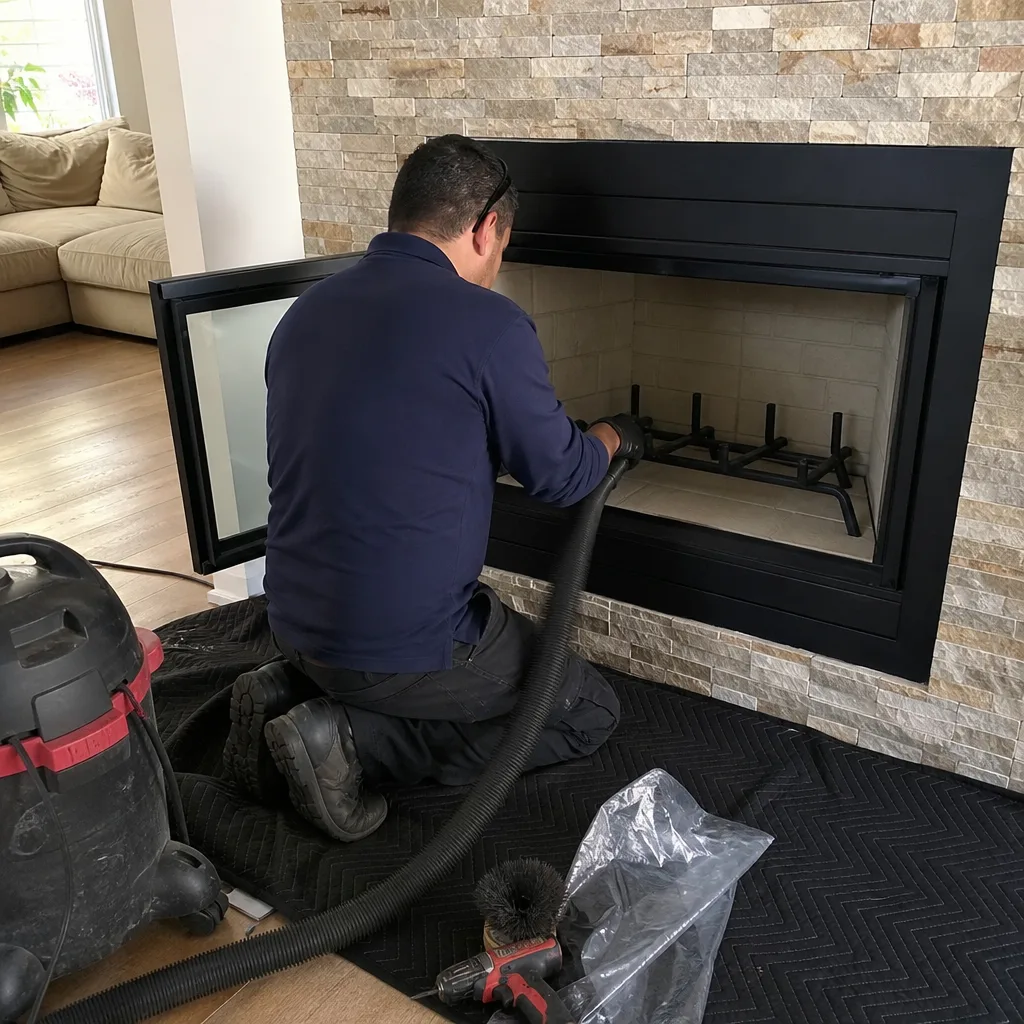
A responsible sweep appointment in Orange includes more than brushing. The technician should:
- Lay drop cloths around the firebox and run a HEPA-filtered vacuum during the entire process
- Mechanically brush the full flue length with correctly sized wire or poly brushes
- Remove accumulated creosote and soot from the smoke chamber and damper assembly
- Visually inspect the flue liner, crown, cap, firebox, and damper as part of the Level 1 inspection
- Provide a written condition report with photos of any findings, rather than a verbal summary
If a company in Orange quotes below $150 and doesn’t explicitly list what that includes, you’re likely looking at a partial service: a flue brush without smoke chamber access, no inspection, and no documentation. That’s not a sweep. That’s a brushing with a sales pitch attached.
The honest version? A professional Chimney Sweep in Orange should produce visible results and a document you can keep. If you’re paying less than a sit-down dinner for two at a decent Orange restaurant, ask yourself what you’re actually buying.
Why the $99 Chimney Cleaning Ad Is a Loss Leader
The $99 chimney cleaning price you see on flyers in Orange is not the price of a chimney cleaning. It’s the price of getting a technician into your living room. Here’s how the economics actually work.
A legitimate chimney sweep company in Orange carries commercial liability insurance, workers’ compensation, vehicle costs, equipment depreciation, and pays trained technicians a living wage. A properly executed sweep takes 60 to 90 minutes from setup to final vacuum. When you do the math, $99 doesn’t cover the cost of rolling the truck. Which means the company advertising that price is not planning to make money on the sweep itself. They’re planning to make money on what happens after the technician looks up your flue.
This is the structural reality of loss-leader pricing in the chimney trade:
- The low price gets the appointment booked. The company counts on homeowner inertia and the awkwardness of saying no to someone standing in your home.
- The technician “finds” a problem. Common scripted findings include cracked tiles (sometimes real, sometimes exaggerated), missing caps, or “dangerous” creosote buildup that requires immediate remediation.
- The quote escalates. The $99 sweep becomes a $2,400 liner replacement or a $900 “chemical treatment” with urgency language attached.
Is every inexpensive sweep a scam? No. But the OC DA’s office has pursued multiple local cases where homeowners paid thousands for work that either wasn’t needed or wasn’t performed, which is why our Chimney Cleaning Warning Signs: A Orange Homeowner’s Reference Guide is worth reviewing before you book. The pattern is consistent enough that Orange residents should treat any sub-$120 sweep advertisement as a red flag until proven otherwise.
The defense is straightforward: get the inspection findings in writing, with photos, and get a second opinion if the repair quote exceeds $500. A legitimate company will have no problem with either request. A pressure operation will fumble one or both.
This is also where the sweep-and-repair continuity matters. When problems are found during the sweep, having them fixed in the same visit means you’re not left with an open hazard while you shop around. A company that can handle Chimney Repair in Orange without a second appointment changes the math: the finding is verifiable on the spot with the same technician, not passed to a different crew with different incentives.
Itemized Cost Breakdown: What Every Line Item Should Cost in Orange
Here’s what a professional should actually charge in the Orange market in 2026. These ranges reflect current pricing from legitimate, insured chimney contractors serving Orange and the surrounding county. They assume standard single-story or two-story access without unusual roof complexity.
- Standard chimney sweep with Level 1 inspection: $180 – $320. Includes full flue brushing, smoke chamber cleaning, damper inspection, and a written condition report.
- Level 2 video inspection (standalone or added): $150 – $275. Includes a camera scan of the full flue interior with recorded footage, which is now standard practice for any real-estate transaction in Orange or after any chimney fire.
- Stage 1 creosote removal (light soot / powder): Included in the standard sweep price for most companies. Should not be a separate line item unless the buildup is moderate or worse.
- Stage 2 creosote removal (crusty, flaky buildup): $100 – $200 additional. Requires rotary loop or chain-head tools and usually doubles the cleaning time.
- Stage 3 creosote removal (glazed, tar-like deposits): $300 – $500 additional. Requires chemical treatment (such as ACS or PCR products) followed by aggressive mechanical removal. Often takes two visits.
- Chimney cap supply and installation: $175 – $450 depending on cap size, material (stainless vs. galvanized vs. copper), and roof access. A standard stainless cap on a single flue runs $200 – $300 installed in Orange.
- Smoke chamber parging (smoothing): $500 – $900. Only needed when the smoke chamber has significant voids or rough corbeling that impedes draft. This is a repair, not a cleaning add-on.
- Dryer vent cleaning (standalone): $120 – $180 for a typical single-family Orange home with a short, direct vent run. Longer runs or multi-story ducting can push this to $200 – $260.
One note on the inspection levels, because companies in Orange use this terminology inconsistently. A Level 1 inspection is the visual check done during a standard sweep: accessible portions of the interior and exterior, plus basic appliance and connector checks. A Level 2 inspection involves video scanning and is required when the home is being sold, when the system has changed, or after weather events, chimney fires, or earthquakes. A Level 3 inspection involves opening up portions of the chimney structure to access concealed areas and is only warranted after a Level 2 suggests hidden damage. Any company in Orange that leads with “Level 3 inspection recommended” after finding nothing on video is selling something.
Legitimate Findings vs. Fabricated Upsells: How to Tell the Difference
This is the section that saves Orange homeowners the most money. The difference between a real safety issue and a sales script comes down to evidence. A legitimate finding can be shown to you. A fabricated one relies on urgency and authority to avoid showing you anything.
Legitimate findings that genuinely add cost
- Stage 2 or Stage 3 creosote. Flaky or glazed creosote is visible and objectively different from normal soot. A good technician will show you photos or bring a sample down. This is the leading cause of chimney fires and legitimately changes the price.
- Cracked flue tiles. Visible on video inspection. If the cracks are significant, the liner may need repair or replacement. This is a real issue that affects fire safety.
- Damaged or missing chimney cap. You can see this from your yard with binoculars. Rainwater entry accelerates masonry deterioration and can rust dampers. A legitimate cap replacement is straightforward to verify.
- Smoke chamber voids or rough corbeling. Visible on video. This affects draft and can trap creosote. Parging is a legitimate repair when the chamber is visibly deteriorated.
- Dryer vent obstruction. The technician should show you the lint pulled from the line. The U.S. Fire Administration identifies dryer vents as the leading appliance-related fire cause, and Orange homes with longer interior vent runs are particularly prone to accumulation.
Fabricated upsells to walk away from
- “Dangerous creosote” without visual evidence. If the technician says the buildup is severe but won’t show you photos or collected material, get a second opinion.
- “Your liner is cracked” without video. This is the most common fabrication in Orange. Without camera footage showing the crack, this claim doesn’t exist.
- “Immediate replacement required” for anything that isn’t an active fire hazard. Even legitimate repairs usually allow a week or two for planning. A chimney that has been in the same condition for two years is not going to combust between Tuesday and Thursday.
- Chemical treatments billed as necessary on a first visit. Chemical creosote treatments are sometimes useful, sometimes not. If one is aggressively pitched before any visual inspection occurs, treat it as sales, not service.
- “$500 off if you sign today.” The urgency discount is a classic pressure tactic. A real contractor’s price doesn’t change based on how quickly you decide. If a deal expires when the technician walks out the door, the deal was the pitch.
In our experience, the single most effective question an Orange homeowner can ask during any sweep appointment is: “Can you show me what you’re seeing?” The answer tells you everything. A professional will pull out a phone with photos or a tablet with video. A salesperson will repeat the urgency.
Prefabricated Fireplace Pricing: When Replacement Parts Get Expensive
Orange has thousands of prefabricated or factory-built fireplaces, particularly in homes constructed in the 1980s and 1990s. These systems are completely different from traditional masonry fireplaces, and the pricing differences matter.
A prefabricated fireplace is a metal firebox and flue system built to factory specifications. The chimney sweep process for these units is simpler: the flue is typically a metal pipe that cleans faster than clay tile, and there’s no smoke chamber to parge. The sweep itself is usually on the lower end of the $180 – $320 range.
Where costs diverge is parts replacement. Masonry fireplaces use commodity components: caps, dampers, and liners are fairly interchangeable across brands. Prefabricated fireplaces use brand-specific parts. If a component fails on a 25-year-old factory-built unit from a manufacturer that no longer exists, the replacement path gets expensive fast:
- Manufacturer still operating: A replacement refractory panel set runs $250 – $500, a replacement cap $150 – $350, and a replacement door assembly $300 – $700.
- Manufacturer discontinued: Parts must be sourced from aftermarket suppliers or custom fabricated. Costs can double or triple. In some cases, the fireplace cannot be safely repaired and replacement of the entire unit becomes the only option, which runs $4,000 – $8,000 installed in Orange.
So when a technician tells you your prefab unit needs a specific replacement part that costs $600, that can be a completely legitimate price. The key is verification: the model number on the unit’s rating plate should be documented in the written estimate, and you should be able to independently confirm the part exists at that price. A professional will give you the manufacturer name and model number without resistance. A fabricated upsell will stay vague.
One legitimate cost-saving path for prefab units involves flue liner restoration rather than replacement. When a factory-built chimney’s metal flue shows deterioration but the firebox and structure are sound, systems like HeatShield can restore the liner using a cerfractory material applied inside the existing flue. This process typically costs less than a full fireplace replacement and can extend the life of an otherwise functional unit. Companies that stock and install HeatShield and similar professional-grade systems, like Olympia Chimney replacement parts, can often give Orange homeowners options that a sweep-only company simply doesn’t have.
The Bundling Math: Sweep + Dryer Vent + Cap Inspection in One Visit
Here’s a cost structure question most Orange homeowners never think to ask: what does it cost to schedule these services separately versus together?
Every service visit includes fixed costs: dispatch, travel time, setup, and administrative overhead. In Orange, where service routes often cross the 5, 22, and 55 freeways between appointments, travel time alone typically accounts for $40 – $60 of any single visit. When you schedule three separate visits for three separate services, you pay that fixed cost three times.
The math breaks down like this:
- Separate visits: Chimney sweep ($250 average) + dryer vent cleaning ($150 average) + cap inspection with minor adjustment ($120 trip charge) = $520 total
- Bundled single visit: Sweep + dryer vent + cap inspection in one appointment = $380 – $440 total, reflecting reduced travel and setup overhead
Savings in the Orange market typically run $80 – $140 when all three are combined. The same logic applies to adding a Level 2 video inspection during a sweep rather than scheduling it separately: adding the camera work to an existing appointment costs roughly $150 – $200, while a standalone visit for video inspection alone runs $250 – $350 with the trip charge.
There’s also a timing argument. Scheduling a sweep and Dryer Vent Cleaning in Orange in the same service window means one blocked-off morning instead of two or three. For households with busy schedules, that convenience has real value beyond the cost savings.
This is the structural advantage of working with a single company that handles all three services rather than juggling separate contractors. The technician arrives once, has already reviewed the property’s system layout, and works through a consolidated checklist. Nothing slips between contractors, and you get one invoice with clear line items instead of three separate bills with three different pricing philosophies.
What a Binding Written Estimate Must Include in California
California state law gives Orange homeowners specific protections when hiring a chimney contractor, detailed in our Chimney Cleaning Permits, Codes & Inspections in CA: What You Need to Know. Understanding these protections before you book is the single most effective defense against bait-and-switch pricing.
Under the California Contractors State License Board (CSLB) rules and the state’s home improvement contract requirements, any work over $500 in aggregate requires a written home improvement contract. For work under that threshold, you should still insist on a written estimate that includes specific line items. Here’s what a legitimate written estimate in Orange must contain:
- Company name, address, and CSLB contractor license number. If there’s no license number on the estimate, don’t proceed. You can verify any California contractor license at cslb.ca.gov in about 30 seconds.
- Itemized scope of work. Each service must be listed separately: sweep, inspection level, creosote treatment, parts with manufacturer names, and labor. “Chimney service: $450” is not an itemized estimate.
- Specific materials by brand name where applicable. If the quote includes a cap, liner, or restoration material, the manufacturer and model should be specified. Professional-grade names like DuraFlex for relining or Gelco for caps tell you the contractor specs quality rather than whatever’s cheapest at the supply house.
- Total contract price, including all taxes and fees. No “plus materials” or “plus anything determined on site” language. The price you agree to is the price you pay unless a change order is signed.
- A right-to-cancel notice for home improvement contracts. California requires a three-day right to cancel for most home improvement contracts signed at your home. A legitimate contractor includes this automatically.
Any contractor in Orange who refuses to provide a written estimate before starting work is a red flag, regardless of price. Verbal quotes, pricing scratched on a business card, or “I’ll write it up when we’re done” are all indicators of a contractor who doesn’t want a paper trail. The reason is almost always the same: they plan to charge more than what was verbally discussed.
There’s also a practical verification step: ask if the company uses professional-grade materials matched to the system. A contractor who can name DuraFlex for liner work, HeatShield for restoration, or Gelco for caps is operating at the same level the trade itself operates at. A contractor who says “we use good stuff” is not.
Creosote Removal by Stage: What Each Level Actually Means
Creosote buildup is the primary reason chimney sweeps exist, and the term gets thrown around in Orange pricing conversations without much precision. Here’s what each stage actually looks like, what removal involves, and what it should cost.
Stage 1: Light soot and powder. This is the normal result of burning seasoned firewood. It’s a fine, dusty deposit that comes away with standard brushing. It’s included in a standard sweep price. If a company in Orange quotes you extra for “Stage 1 creosote removal,” they’re double-charging for what should already be covered.
Stage 2: Crusty, flaky deposits. This creosote looks like charred cornflakes and builds up when fires burn cooler than ideal or when wood is not fully seasoned. It requires rotary loop tools or chain heads to break free from the flue walls, doubling the cleaning time. A $100 – $200 surcharge is reasonable for this level.
Stage 3: Glazed, tar-like creosote. This is the dangerous stuff. It looks like baked-on black glass, form from consistently low-temperature fires (common in Orange homes where fireplaces are used briefly for ambience rather than heat), and it is extremely difficult to remove. Glazed creosote is highly flammable and the leading cause of chimney fires. Removal typically requires chemical treatment (ACS, PCR, or similar creosote-removing products) applied in a first visit, followed by aggressive mechanical removal days later. Total costs run $300 – $500 above the standard sweep.
Here’s the part that matters for Orange homeowners: the stage of creosote in your flue is observable. A technician should be able to show you what they’re seeing, either through a photo from the video scope or by bringing a sample down to eye level. If the creosote is described as dangerous but you can’t see evidence of it, you’re being sold a story, not a service.
Burn habits also matter to cost over time. Orange’s mild climate means many homeowners burn infrequently, often with the damper partially closed to extend burn time or reduce draft noise. That produces exactly the low-temperature, smoldering conditions that create Stage 3 creosote faster than hot, efficient fires. If you use your fireplace occasionally for ambience rather than for heat, schedule sweeps more frequently rather than less. Two lighter cleanings per year are cheaper than one glazed-creosote removal.
Common Mistakes to Avoid
- Booking the cheapest advertised price without reading what’s included. The $99 special in Orange almost never includes the whole chimney system. You’ll pay more after the technician finds “additional work” that should have been in the original scope.
- Skipping the written estimate because the work seems small. California law protects you with a written contract, regardless of job size. If a contractor won’t write it down, they’re not a contractor you want in your home.
- Accepting “cracked liner” or “dangerous buildup” claims without video evidence. Modern chimney companies carry cameras. If a technician describes damage but can’t or won’t show you footage, treat the finding as unverified.
- Ignoring the dryer vent because “it’s not a chimney.” Lint-clogged dryer vents are the leading appliance fire cause in the U.S. The fact that most chimney companies in Orange don’t offer dryer vent service doesn’t mean yours doesn’t need to be cleaned.
- Waiting until burning season to schedule. Every chimney company in Orange gets slammed between October and January. Scheduling in late summer or early spring means better availability, more scheduling flexibility, and often lower pricing.
- Assuming all prefabricated fireplace parts are interchangeable. They aren’t. Discontinued factory-built units can require expensive custom parts. Verify any replacement part claim against the model number on the unit’s rating plate.
- Signing for “today-only” discounts. Legitimate contractors in Orange don’t run time-pressure pricing. If the deal disappears when the technician leaves, the deal was the bait.
When to Call a Professional
Schedule a professional chimney sweep if you burn fires more than 20 times per year, if it’s been more than two years since your last cleaning, or if you notice any of these specific conditions: smoke entering the room instead of drafting up the flue, a strong creosote odor near the fireplace, visible dark deposits on the damper or firebox walls, or animals nesting in the chimney (you’ll often hear scratching or chirping in spring). Also schedule a Chimney Repair in Orange evaluation after any chimney fire, however small it seemed, and before selling any home in Orange, where Level 2 video inspections are now standard practice for real-estate transactions. For dryer vents, an annual cleaning is appropriate for most households; homes with long vent runs, multiple occupants, or pets may need it twice yearly.
If you’re in Orange and want a specific number for your chimney system, Prestige Chimney offers free estimates. Call (833) 407-0587 to schedule a sweep, dryer vent cleaning, or repair evaluation. No bait pricing, no pressure scripts, no work without a written estimate you approve first.
Frequently Asked Questions
A chimney sweep in Orange costs between $180 and $320 for a standard cleaning with Level 1 inspection in 2026. The price varies based on fireplace type, creosote level, and roof access. Call (833) 407-0587 for an exact quote on your specific system and home layout.
A $99 chimney cleaning is almost always a loss leader intended to get a technician into your home, where high-pressure upsell tactics begin. The price doesn’t cover the actual cost of labor, insurance, and equipment for a legitimate Orange contractor. Expect to pay $180 – $320 for a genuine, documented sweep and inspection.
A Level 2 video inspection is required in Orange for real-estate transactions, after chimney fires, and after significant weather events. It’s also the only way to definitively verify flue liner condition. If your home hasn’t had a video scan in several years and you burn regularly, the $150 – $275 add-on is worthwhile for the documentation alone.
The National Fire Protection Association (NFPA 211) standard says chimneys should be swept when creosote buildup reaches 1/8 inch of accumulation, which for most Orange homeowners translates to once per year with regular use. Homes that burn infrequently for ambience can sometimes go 18 – 24 months, but lighter, more frequent cleanings are cheaper than waiting for heavy buildup.
Skipping chimney cleaning allows creosote to accumulate, and glazed Stage 3 creosote is the primary fuel for chimney fires, as covered in our Chimney Cleaning Emergency Preparedness Guide for Orange Homes. A chimney fire can crack flue tiles, damage the chimney structure, and in severe cases spread to the home’s framing. Even without a fire, heavy creosote can block draft and push carbon monoxide back into living spaces. The $250 sweep is substantially cheaper than either outcome.
Most homeowners insurance policies in Orange cover sudden, accidental damage to the chimney structure, such as earthquake damage or damage from a chimney fire. They typically do not cover deterioration from deferred maintenance, including creosote damage, rusted dampers, or deteriorated mortar joints. Documented annual sweeps and inspections create the maintenance record that supports legitimate insurance claims.
Yes, and bundling typically saves $80 – $140 in Orange compared to scheduling the services separately. Combining a chimney sweep, dryer vent cleaning, and cap inspection into one visit eliminates duplicate travel and setup costs, and it means fewer blocked mornings on your calendar. Prestige Chimney handles all three services under one roof. Call (833) 407-0587 to schedule a bundled visit.
The Bottom Line
A real chimney cleaning in Orange costs $180 – $320, and any price dramatically below that range should trigger your skepticism, not your credit card. The difference between a legitimate find and a fabricated upsell comes down to evidence: a professional shows you the problem, while a salesperson describes it urgently. Written estimates are your legal right in California, and any contractor who resists providing one is telling you something important about how they do business. Budget for professional-grade service once per year, bundle with dryer vent cleaning when you can, and keep every inspection document on file. That’s the complete cost picture for Orange homeowners in 2026.
Written by the team at Prestige Chimney home office, serving Orange since 2017.
See the difference
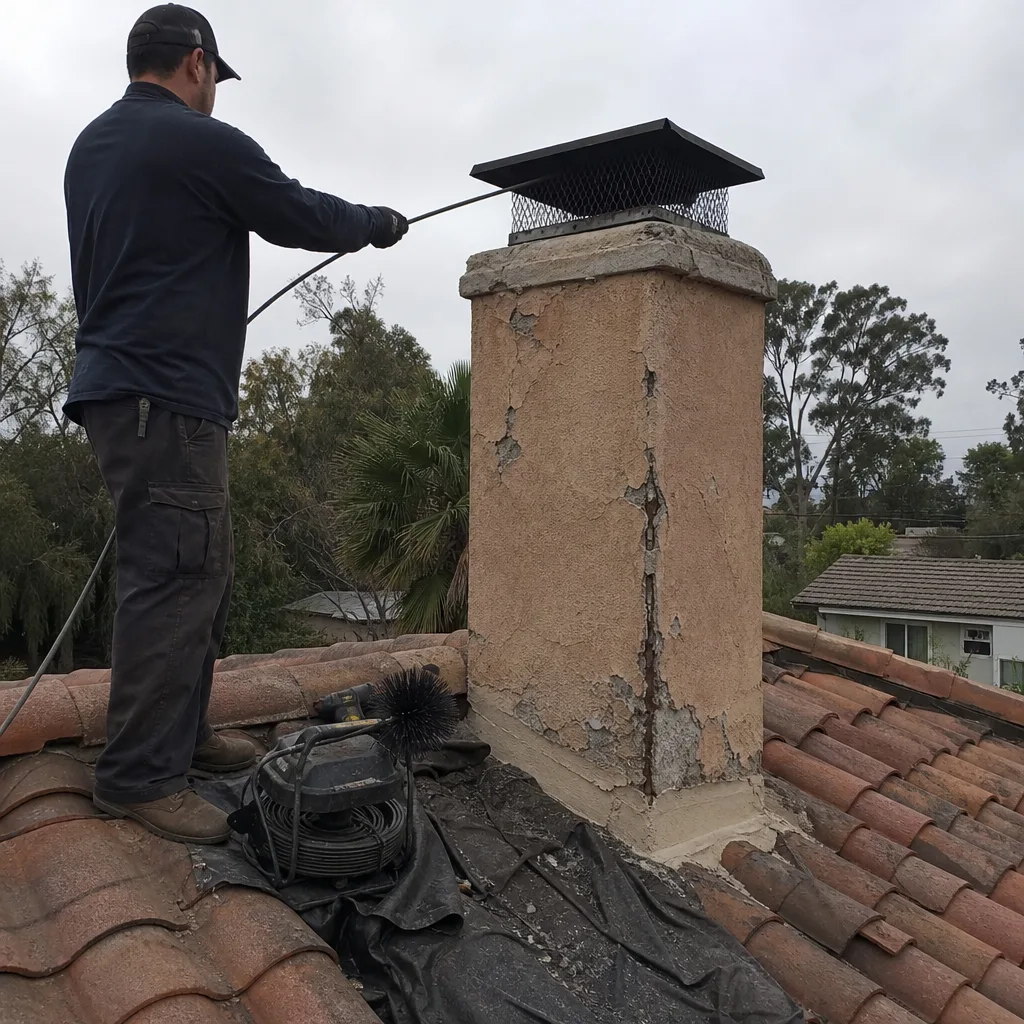 Before
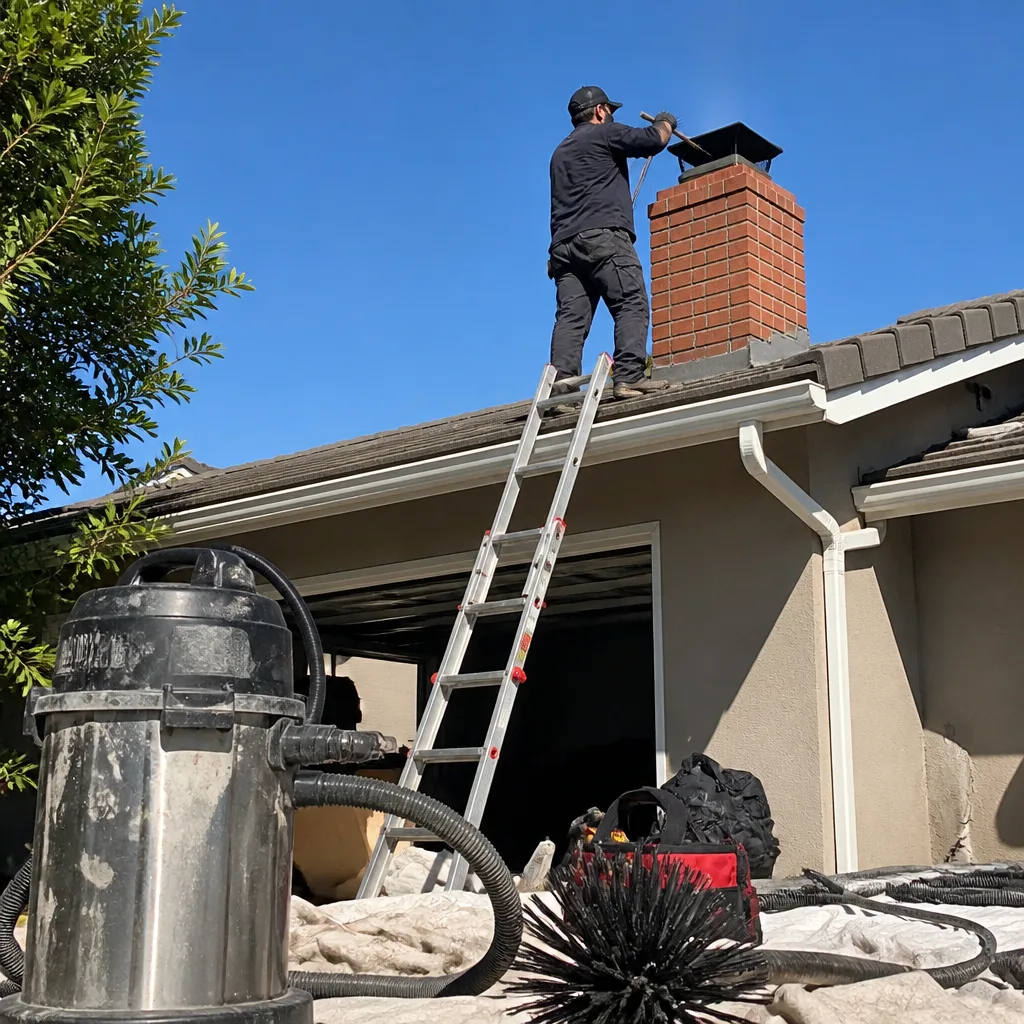 After
 Before
 After
 Before
 After