
Last updated October 30, 2026
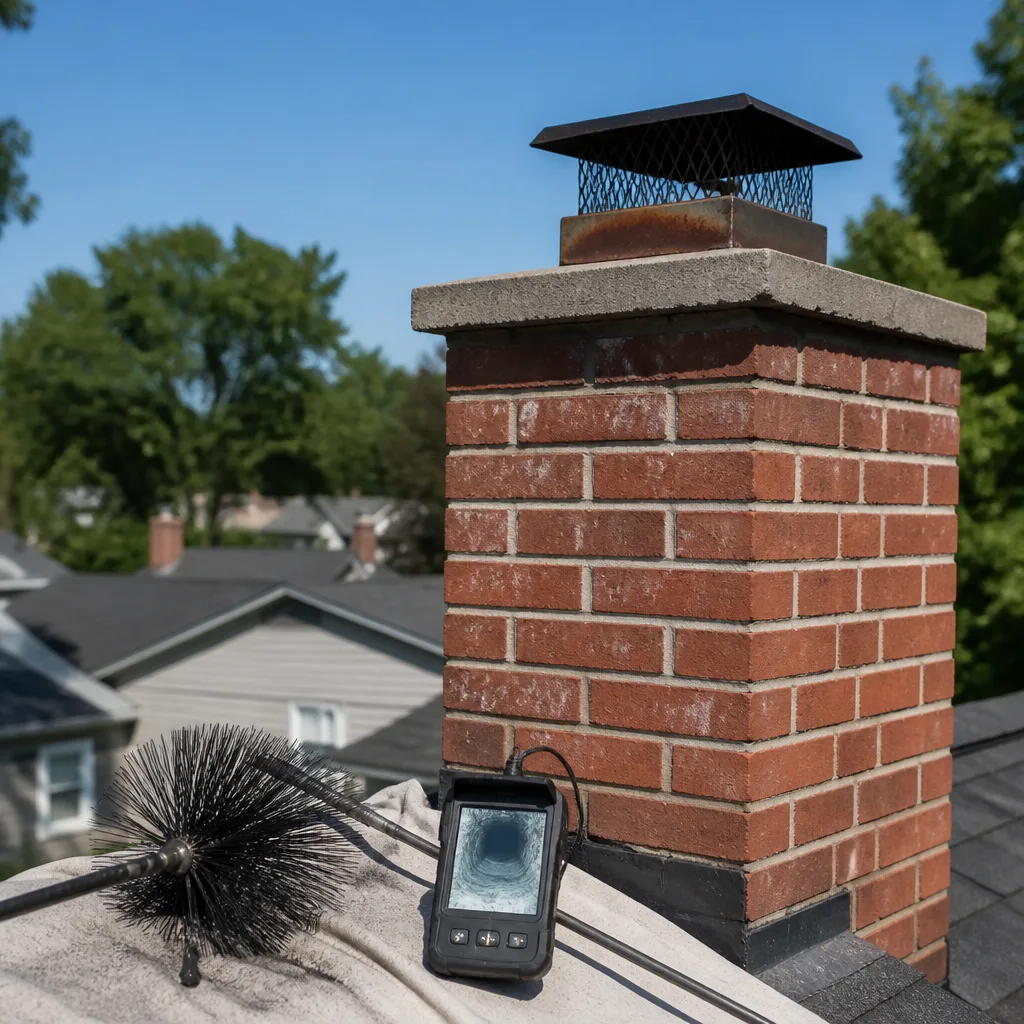 Sweep & inspection
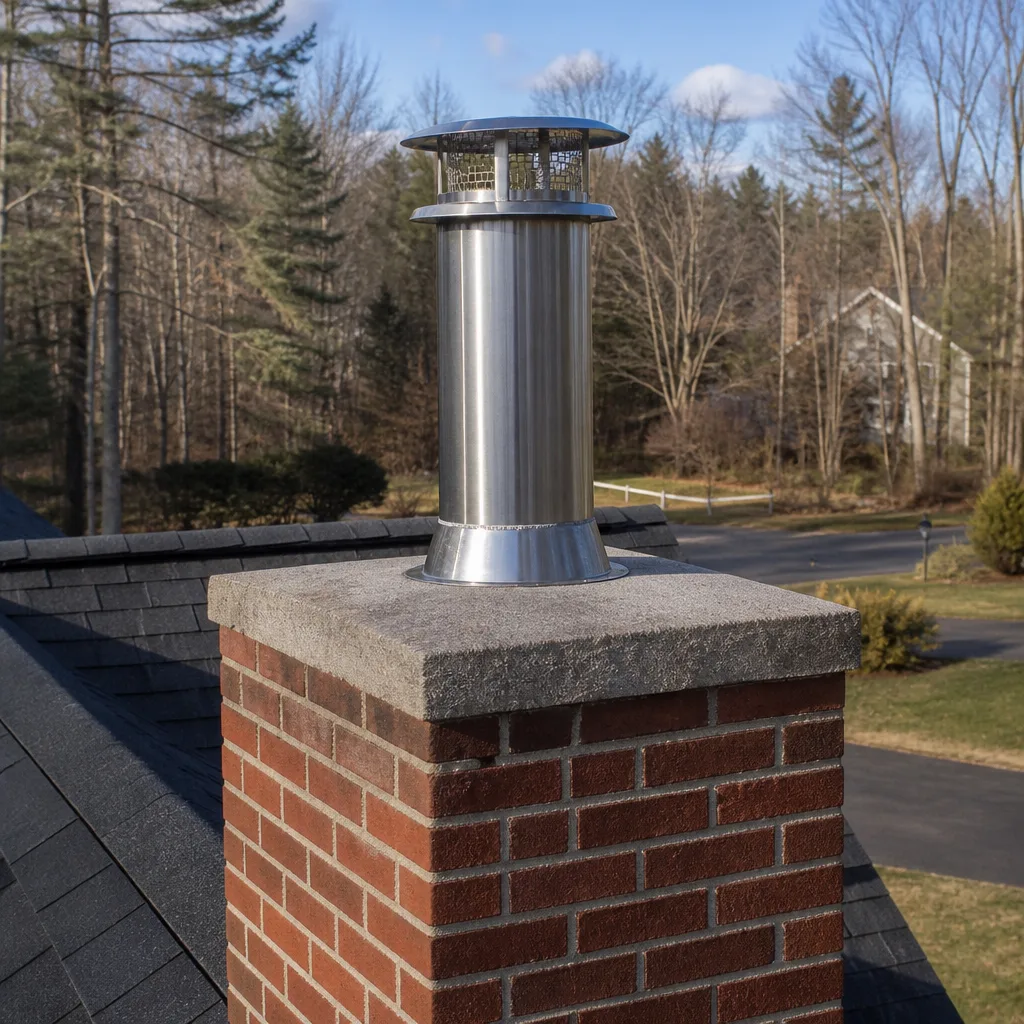
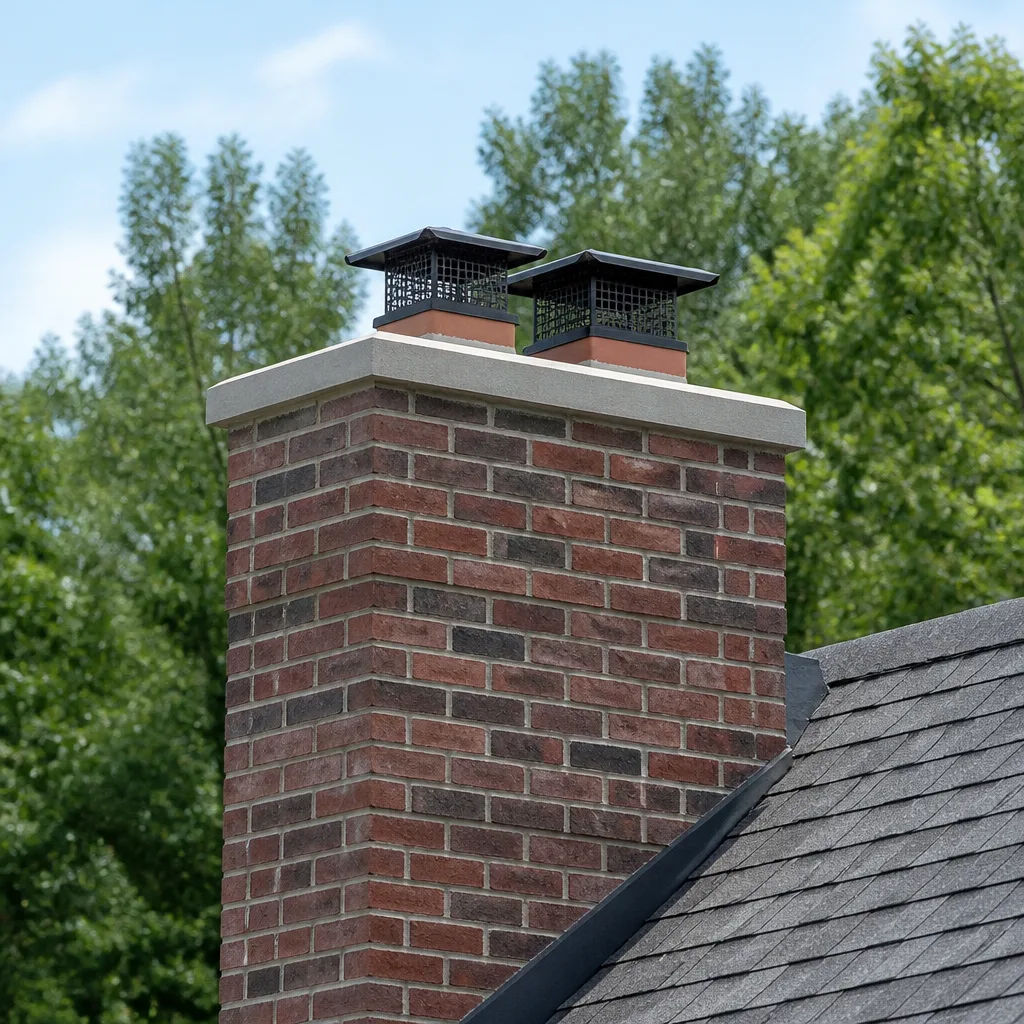 Caps & crowns
 Flue relining
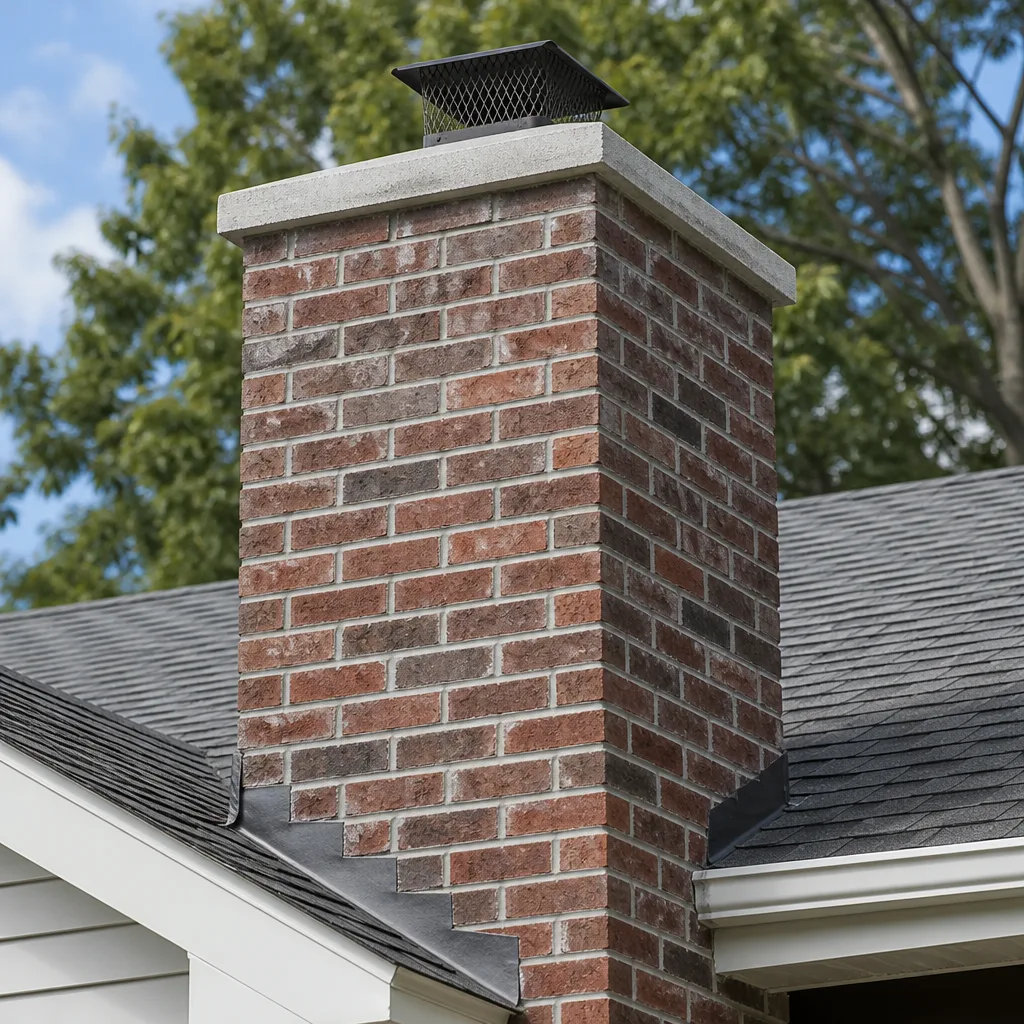 Masonry repair
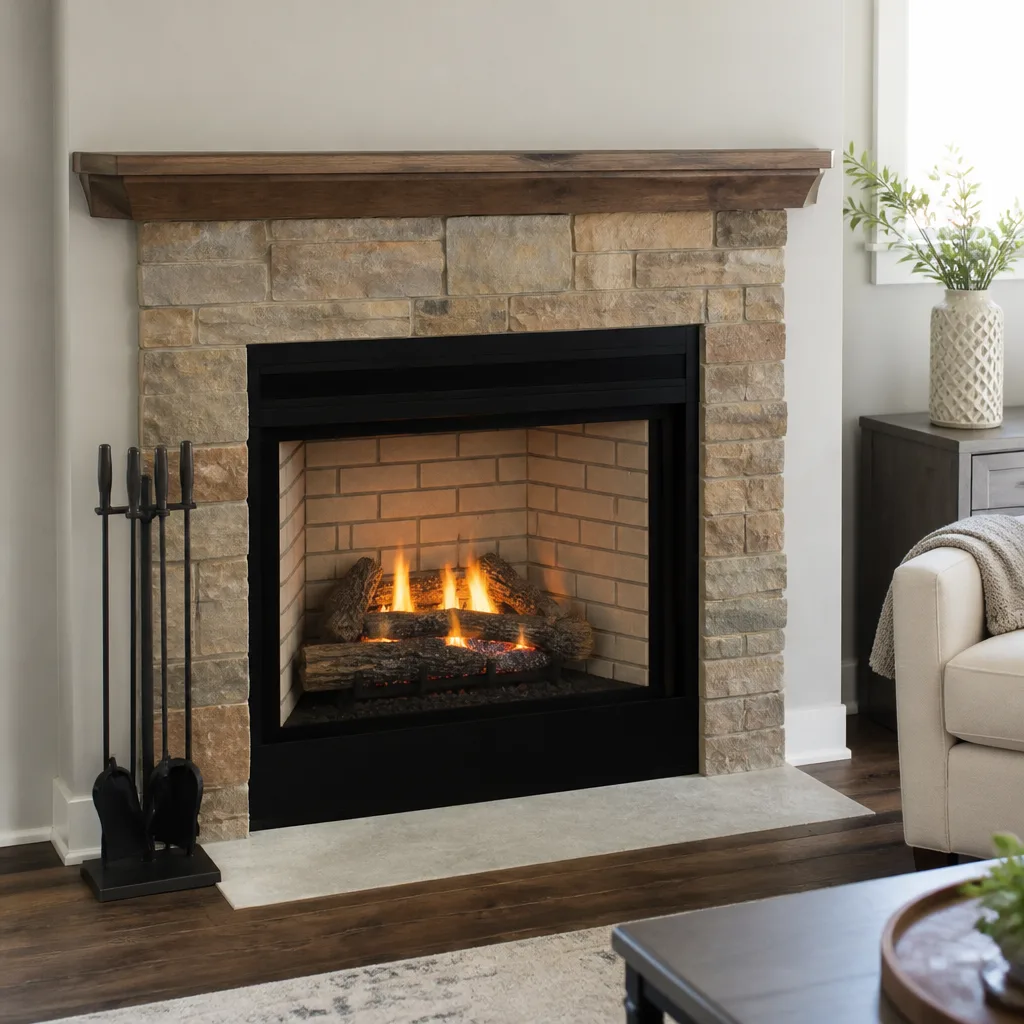 Gas fireplace service
Level 1 sweep and inspection to the NFPA 211 annual standard - flue, crown, cap, and flashing checked and photographed
Chimney sweep logs do not sweep chimneys. They loosen some creosote - which then falls where a brush and vacuum still have to collect it.
The Complete Chimney Sweep Guide for Orange Homeowners
Orange averages fewer than 20 cold nights a year, so most homeowners assume their chimney barely gets used. That assumption is exactly what makes Orange chimneys dangerous. A lightly used flue accumulates the same glazed creosote risk as a heavily used one, just more slowly and less visibly. By the time you notice the signs, you’ve often got a Stage 2 or Stage 3 creosote problem that a simple brushing won’t remove. This guide maps the full Chimney Sweep services process to Orange County’s specific conditions: our mild winters, our Santa Ana wind patterns, our fire-season adjacency, and the insurance realities California homeowners now face. You’ll learn what a proper sweep actually includes, what it should cost in this market, which inspection level matches your situation, and how to document everything for your insurance file.
Quick Answer
A chimney sweep in Orange typically costs between $189 and $349 for a standard Level 1 cleaning and inspection, and the entire process takes 45 to 90 minutes. The National Fire Protection Association (NFPA 211) recommends a chimney sweep and inspection at least once per year, regardless of how often you use your fireplace; see our DIY vs Professional Chimney Cleaning: The Orange Homeowner’s Decision Guide for help deciding who should do the work. Orange homeowners who burned wood during fire season or experienced Santa Ana wind events should schedule their sweep before the next burn season begins, not after.
Styles & brands we work with
Table of Contents
- Why Orange Chimneys Get Dirty Even With Light Use
- What a Proper Chimney Sweep Actually Includes
- Level 1, Level 2, and Level 3 Inspections: Which One You Need
- How Santa Ana Winds Affect Your Chimney and Sweep Timing
- What a Chimney Sweep Costs in Orange
- Documenting Your Sweep for California Homeowner’s Insurance
- The Creosote Problem: Why Low-Use Fireplaces Are Often Worse
- Dryer Vents: The Fire Hazard Chimney Companies Usually Ignore
Why Orange Chimneys Get Dirty Even With Light Use
Here’s the counterintuitive truth we see in Orange homes every week: fireplaces that get used ten times a year often have worse creosote buildup than fireplaces used a hundred times a year in colder climates. The reason comes down to burn temperature and air flow.
When you light a fire on a mild Orange evening, say 58 degrees outside, the temperature differential between the flue and the outdoor air is small. That means weak draft. Smoke moves slowly up the chimney, cools quickly, and condenses on the flue walls as creosote before it ever exits the cap. In a cold-climate home where the outdoor temperature is 20 degrees, the draft is strong and the smoke exits fast, carrying more creosote particles out with it.
Add to that the way Orange homeowners actually burn. Since it’s rarely cold enough to justify a full wood load, people burn small fires with one or two logs, often from grocery store bundles. These fires never get hot enough to burn off the previous fire’s residue. Each successive fire bakes the existing creosote into a harder, glossier layer. Over two or three years of occasional use, you get what chimney professionals call glazed creosote: a shiny, tar-like coating that’s highly flammable and won’t come off with a standard brush sweep.
This is why the “I barely use it” logic fails in Orange. Infrequent, low-temperature fires are precisely the conditions that produce glazed creosote. A chimney sweep isn’t just for heavy-use homes. It’s for exactly the kind of fireplace most Orange homes have.
What a Proper Chimney Sweep Actually Includes
A legitimate chimney sweep is not a guy with a brush on a pole. It’s a systematic cleaning and inspection process that follows NFPA 211 standards. Here’s the step-by-step of what a proper sweep should cover, in the order a trained technician performs it.
- Interior protection and setup. The technician lays drop cloths around the firebox, sets up a HEPA-filtered vacuum, and seals the fireplace opening to keep soot and dust contained within the work area.
- Firebox inspection. Before cleaning begins, the technician examines the firebox floor and walls for cracked firebrick, deteriorated mortar joints, or signs of water intrusion. Problems here affect the entire system’s safety.
- Damper check. The damper is opened, inspected for rust or warping, and tested for full range of motion. A stuck damper is both a fire hazard and a carbon monoxide risk if it fails to open during use.
- Flue brushing. Using brushes sized to your specific flue dimensions, the technician scrubs the full length of the flue from the firebox up to the cap. For glazed creosote, rotary cleaning heads or chemical treatments may be required beyond standard wire brushing.
- Smoke chamber cleaning. The smoke chamber, the area above the damper where smoke gathers before entering the flue, is often the most neglected part of a chimney. It angles inward and collects creosote in its corners. A thorough sweep includes brushing and vacuuming this space.
- Smoke shelf clearing. The smoke shelf sits behind the damper and catches falling debris. Technicians clear it by hand and vacuum to prevent blockages.
- Cap and crown inspection. The technician goes on the roof to examine the chimney cap, crown, and flashing. Missing caps, cracked crowns, and torn flashing are the three most common entry points for water damage in Orange homes.
- Final system test. After cleaning, the technician verifies draft with a smoke test and confirms the damper opens and closes correctly.
In our experience in Orange, the smoke chamber is where most budget sweeps cut corners. If you’re comparing quotes, ask directly: “Does your sweep include smoke chamber cleaning?” If the answer is vague, you’re not getting a complete service.
One more thing worth knowing: a proper sweep should end with a written condition report of your chimney system. If the technician finds damage during the sweep, you should receive documentation with specific findings, not a verbal scare about needing expensive repairs. At Prestige Chimney, our Chimney Sweep in Orange service includes a full written inspection report with every cleaning, so you have a record of your chimney’s condition year over year.
Level 1, Level 2, and Level 3 Inspections: Which One You Need
NFPA 211 defines three levels of chimney inspection. Understanding the difference saves you from paying for an inspection level you don’t need, or worse, getting a Level 1 when your situation calls for a Level 2.
Level 1 inspection is the standard inspection included with a routine chimney sweep. The technician examines the accessible portions of the chimney interior and exterior using a flashlight and basic tools. No specialized equipment is used. This is appropriate when you’re maintaining a chimney that hasn’t changed in use or condition since the last inspection.
Level 2 inspection involves everything in a Level 1, plus video scanning of the flue interior with a specialized camera. It’s required by NFPA 211 in specific situations: when you’re selling or buying a home, after a chimney fire, after an earthquake or severe weather event, or when you’re converting the chimney to a different fuel type. In Orange, we also strongly recommend a Level 2 after significant brush fire exposure, even if the fire never reached your property. Ember intrusion into the flue system can cause hidden damage that a flashlight inspection misses.
Level 3 inspection is the most invasive. It’s required when a Level 1 or Level 2 inspection reveals a serious hazard that demands access to concealed areas of the chimney or flue. This may involve removing components of the chimney or adjacent structure. It’s rare, and it’s never the starting point for a routine sweep.
For most Orange homeowners with a standard wood-burning fireplace or gas insert, a Level 1 inspection with an annual sweep is sufficient, provided there have been no chimney fires, no major seismic events since the last inspection, and no changes in appliance or fuel type. If you’ve owned the home for more than a few years and have never had a video scan done, a one-time Level 2 is a smart investment. It establishes a baseline of your flue’s interior condition so future inspections can measure change over time. After the Santiago Canyon and Silverado fire events that Orange residents have lived through, a Level 2 after any close brush fire exposure is simply prudent.
How Santa Ana Winds Affect Your Chimney and Sweep Timing
Santa Ana winds are the most underappreciated chimney hazard in Orange County. Most homeowners think of Santa Anas as a wildfire risk, which they are. But they also create a specific set of problems for chimney systems that almost no one talks about.
Santa Ana winds are katabatic: they flow downhill from the high desert toward the coast, picking up speed as they compress through our canyons. When these winds hit Orange, they can gust 40, 50, even 60 miles per hour. For a chimney, that’s a problem in three ways.
First, high winds create negative pressure at the chimney cap. When the wind blows across the top of your chimney, it can actually reverse the draft, pulling air down the flue and into your home. If you have a fire burning when this happens, the smoke has nowhere to go but back into your living room. Second, if you’re not burning a fire, the reversed draft pulls embers and ash from your last fire down onto the smoke shelf and into the firebox, leaving fine particulate matter that coats your chimney interior. Third, wind-driven embers from nearby brush fires can enter through an uncapped or improperly capped chimney. This is a documented wildfire structure-ignition mechanism in Southern California, not a theoretical risk.
What this means for sweep timing: if you live in an Orange neighborhood exposed to Santa Ana winds, which includes most homes east of the 55 freeway in the hills and canyon-adjacent areas, your chimney should be swept and inspected after fire season ends, not just before it begins. The post-season sweep removes any wind-driven debris and checks for damage caused by ember intrusion or pressure events during the wind season. It also means you should have a proper chimney cap with spark arrestor screening, sized correctly for your flue, and in good condition.
If you’re not sure whether your cap is adequate, a sweep is the time to find out. A technician on the roof can measure your flue, check the existing cap, and identify whether it meets the spark arrestor requirements in Orange’s municipal code. This is not something you want to discover during a Red Flag Warning.
What a Chimney Sweep Costs in Orange
Chimney sweep pricing in Orange runs slightly above the national average, which reflects the higher operating costs for licensed contractors in Orange County. Here’s what you should expect to pay in this market.
| Service | Typical Orange Price Range | What’s Included |
|---|---|---|
| Standard Level 1 sweep and inspection | $189 – $299 | Cleaning, basic inspection, written report |
| Level 1 sweep with glazed creosote treatment | $299 – $449 | Cleaning plus chemical or rotary treatment for Stage 2 – 3 creosote |
| Level 2 inspection with video scan | $249 – $399 | Full interior camera scan, written report with images |
| Sweep plus Level 2 inspection combined | $379 – $549 | Complete cleaning and video documentation |
| Dryer vent cleaning | $129 – $199 | Full vent line cleaning from dryer to exterior vent |
Several variables affect where your job lands within these ranges. Flue height matters: a two-story Orange home with a steep roof slope takes longer and requires more safety equipment than a single-story ranch. Glazed creosote adds labor and materials. A chimney that hasn’t been swept in five or more years will take longer than one maintained annually. And if your chimney cap needs replacement, that’s a separate line item, typically $150 to $450 depending on the cap type and flue size.
If a quote comes in dramatically below these ranges, ask what’s being skipped. The most common corner-cutting we see in Orange is omitting smoke chamber cleaning or skipping the roof-level cap and crown inspection. A sweep that cleans only the visible flue from the firebox is not a complete sweep.
One thing to be wary of: companies that quote a low sweep price and then “discover” thousands of dollars in necessary repairs once they’re inside. A trustworthy chimney company gives you a written condition report and lets you see the evidence. Nothing should be recommended without camera footage or photographs you can review yourself. That’s the standard we hold at Prestige Chimney for every Chimney Repair in Orange recommendation, and it’s the standard you should demand from any company.
Documenting Your Sweep for California Homeowner’s Insurance
California’s homeowner’s insurance market has changed dramatically in the last five years. Carriers have pulled out of high-fire-risk zones, premiums have jumped, and underwriting standards have tightened. In this environment, documentation of chimney maintenance is no longer a nice-to-have. It’s a protection asset.
If you file a claim related to a chimney fire, smoke damage, or even a roof leak originating at the chimney, your insurance company will likely ask when your chimney was last inspected and cleaned. If the answer is “I don’t know” or “a few years ago,” you’ve handed the adjuster a reason to reduce or deny your claim. California insurers are aggressively denying claims where homeowners cannot demonstrate routine maintenance of fire-bearing systems.
What you need to document:
- A written inspection report from every sweep. The report should include the date, the technician’s name, the inspection level performed, and the specific findings. A verbal “looks good” carries zero weight with an adjuster.
- Photographs or video from the inspection. A Level 2 inspection provides this. If your chimney company offers video scanning, take the footage. Keep it in a digital file with your other home maintenance records.
- Repair receipts. Every repair, even minor ones like a replacement damper or cap, should have a dated invoice. This shows a pattern of responsive maintenance, not deferred neglect.
- Fuel type consistency. If you’ve converted from wood to gas or vice versa, document the change and note whether a Level 2 inspection was performed at the time of conversion, as NFPA 211 requires.
For Orange homeowners specifically, the wildfire exposure question is now standard on many California insurance applications. If you’ve disclosed proximity to a brush fire zone, having a documented chimney maintenance history strengthens your profile. Some carriers now ask directly about chimney and dryer vent maintenance. Being able to answer with dates and reports puts you ahead of most policyholders.
Store your chimney reports in the same place you keep your policy documents. If you ever need to prove maintenance, you won’t be digging through a junk drawer trying to remember which year you had the sweep done.
The Creosote Problem: Why Low-Use Fireplaces Are Often Worse
We touched on this earlier, but it deserves a full section because it’s the single most misunderstood aspect of chimney maintenance in warm climates like Orange’s.
Creosote forms in three stages. Stage 1 is a flaky, dusty soot that brushes off easily. This is what most homeowners picture when they think of chimney cleaning. Stage 2 is a crunchy, tar-like deposit that requires more aggressive brushing. Stage 3 is glazed creosote: a hard, shiny, baked-on coating that standard wire brushes cannot remove. It requires chemical treatments, rotary cleaning heads, or both.
Here’s where Orange’s climate works against you. Creosote advances through these stages through repeated heating and cooling cycles. In a cold-climate home with regular hot fires, the flue interior gets swept frequently because the homeowner uses the fireplace constantly and understands the maintenance need. But in Orange, the homeowner who burns a few fires each December and January is operating in a temperature range that produces Stage 2 creosote as a starting point, then lets it bake and harden over the remaining ten months of the year.
By the time that homeowner calls for a sweep, three or four years after the last one, the flue often has Stage 3 glazed creosote. And here’s the part that surprises people: glazed creosote is a more serious fire hazard than lighter creosote stages. It burns hotter and longer once ignited, which is what turns a small chimney fire into a structural fire that spreads through the attic.
This is why we tell Orange homeowners that annual sweeping is not about how often you use your fireplace. It’s about interrupting the creosote cycle before it reaches the glazed stage. A yearly sweep catches creosote at Stage 1 or maybe Stage 2, when it’s still removable with standard methods. A sweep every three or four years catches it at Stage 3, when the cleaning is more expensive and the risk window has been open for years.
If a previous company told you your chimney has glazed creosote and recommended expensive treatment, get a second opinion. But also take the finding seriously. Glazed creosote is not a scare tactic. It’s a specific, identifiable condition with real fire consequences. A company like ours, which stocks and installs DuraFlex and HeatShield products, can often address the underlying flue damage from creosote-related deterioration without a full liner replacement. The HeatShield restoration process, for instance, repairs damaged flue tiles from the inside, which is a less invasive path than a complete rebuild. But the first step is always cleaning and assessment through a proper sweep.
Dryer Vents: The Fire Hazard Chimney Companies Usually Ignore
Most chimney companies in Orange won’t touch your dryer vent. They’ll clean your chimney and leave, and your dryer vent continues accumulating lint. This is a significant gap in home safety because the U.S. Fire Administration identifies dryer vent fires as a leading cause of appliance-related house fires, with thousands of incidents reported nationally each year.
A dryer vent is functionally similar to a chimney. It moves hot air and particulate matter out of your home. And like a chimney, it accumulates flammable residue: lint, in the case of a dryer. Over time, lint builds up in the vent line, restricts airflow, and creates a fire hazard. The dryer runs hotter, the lint bakes onto the vent walls, and eventually, a spark or overheating element can ignite the whole line.
Signs your dryer vent needs cleaning:
- Clothes take longer than one cycle to dry completely
- The dryer exterior gets unusually hot during operation
- You smell a burning or musty odor when the dryer runs
- Lint is visible around the dryer vent exterior flap
- It’s been more than one year since the last vent cleaning
In Orange, dryer vent cleaning is often overlooked because the mild climate means dryers are used less frequently than in cold regions. But lint doesn’t stop accumulating because the dryer runs less. It accumulates more slowly, which just means homeowners go longer between cleanings. That’s the same pattern we see with fireplaces: low use creates a false sense of safety.
At Prestige Chimney, we handle Dryer Vent Cleaning in Orange as part of our core service scope. The reason is simple: if we’re already at your home for a chimney sweep, checking the dryer vent takes minutes and could prevent a fire that would burn the same house we’re there to help protect. A three-service company means one team, one appointment, and no second contractor to schedule.
Common Mistakes to Avoid
- Skipping sweeps because you “barely use” the fireplace. As we’ve covered, low-use fireplaces in Orange’s mild climate produce glazed creosote more readily than high-use fireplaces in cold climates. Annual sweeping matters regardless of burn frequency.
- Hiring based on price alone. A $79 sweep in Orange is a partial sweep. It’ll clean the visible flue and skip the smoke chamber, cap, and crown. You’re paying for a false sense of safety.
- Burning artificial logs without checking the chimney first. Manufactured logs burn differently than wood and can accelerate creosote buildup if the flue is already dirty. Sweep first, then burn whatever you like.
- Ignoring a missing or damaged chimney cap. An uncapped chimney in Orange is an open invitation for debris, birds, and during Santa Ana events, wind-driven embers. A $200 cap replacement prevents thousands in potential fire or water damage.
- Not documenting your sweeps. With California’s insurance market tightening, an undocumented maintenance history is a liability. Save every report.
- Assuming the dryer vent isn’t a fire hazard. Dryer vent fires happen in Orange homes. If your chimney company doesn’t offer dryer vent cleaning, you’re paying for half the protection your home needs.
- Waiting until you smell smoke to schedule a sweep. If you can smell last year’s fire when you open the damper, you’re already well past due. Schedule your sweep preemptively, before burn season, not in response to symptoms.
See the difference
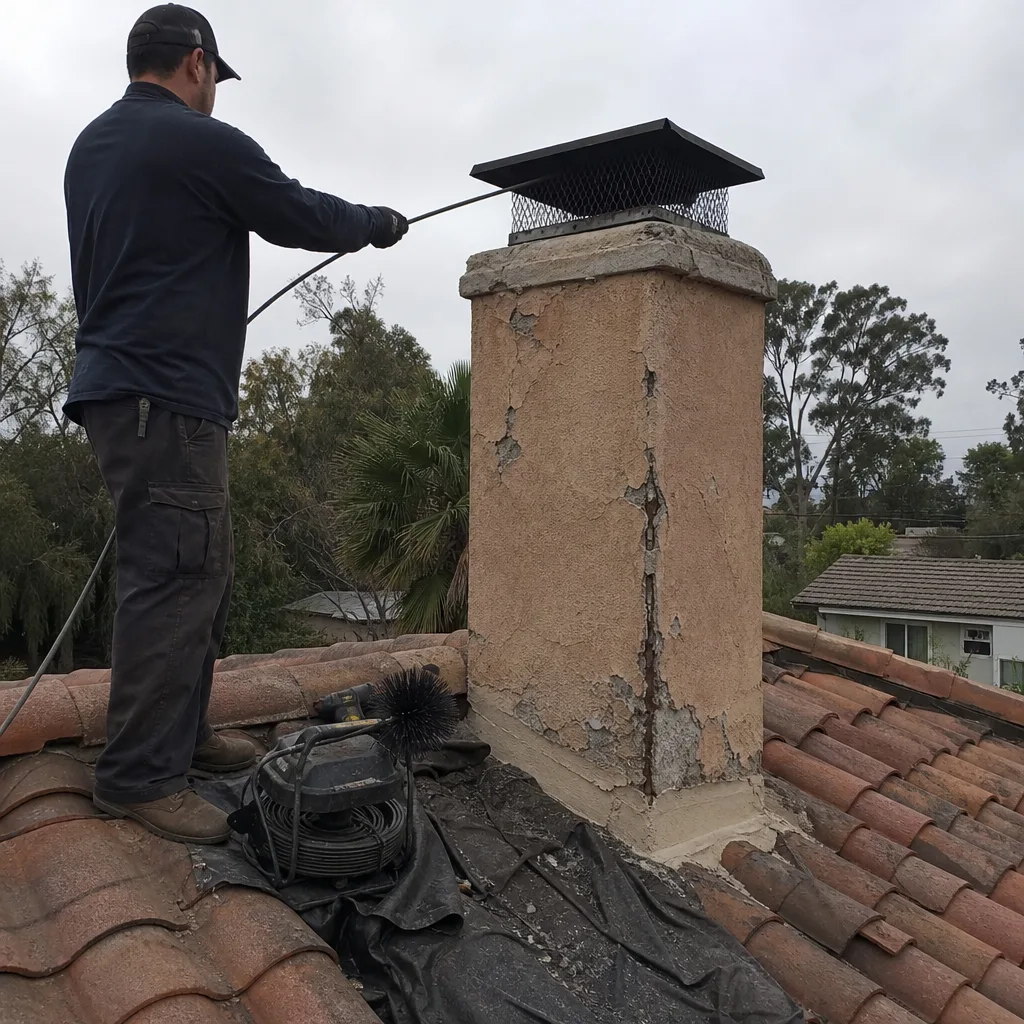 Before
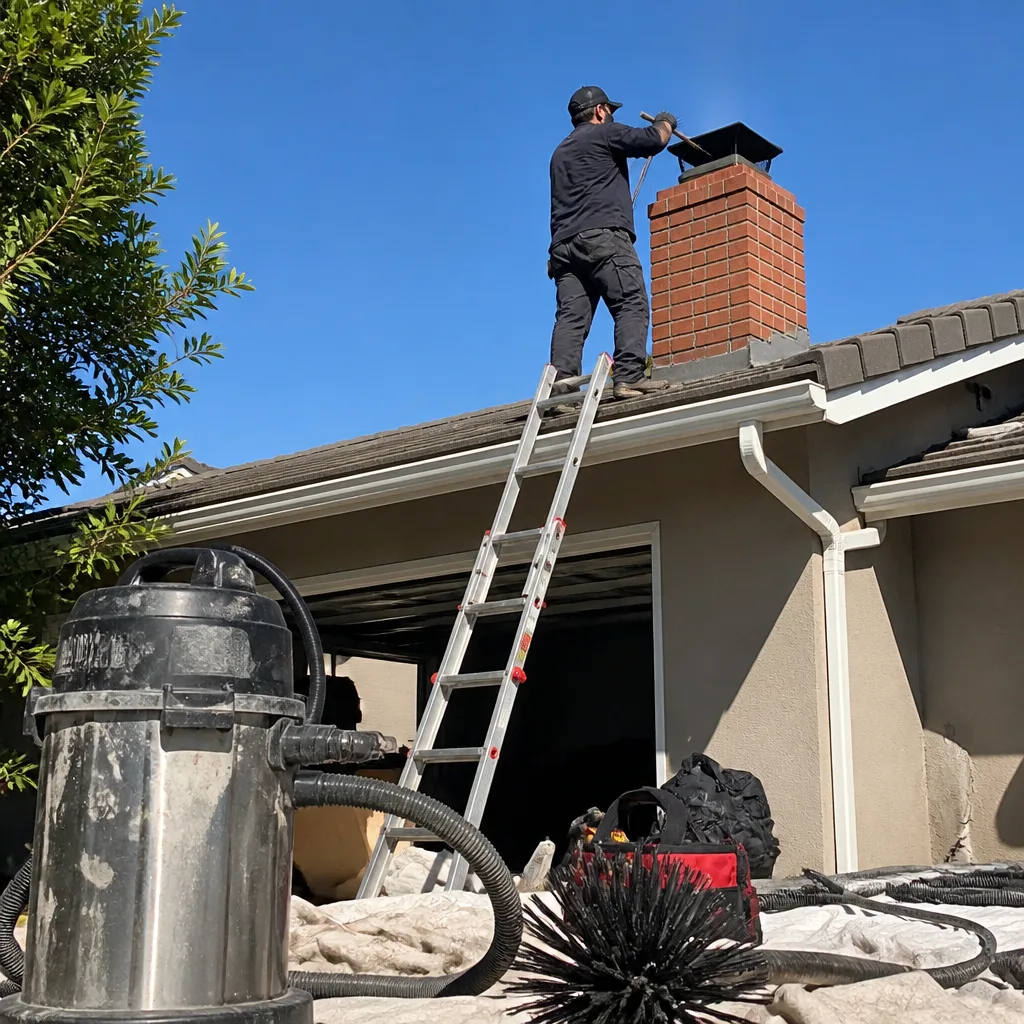 After
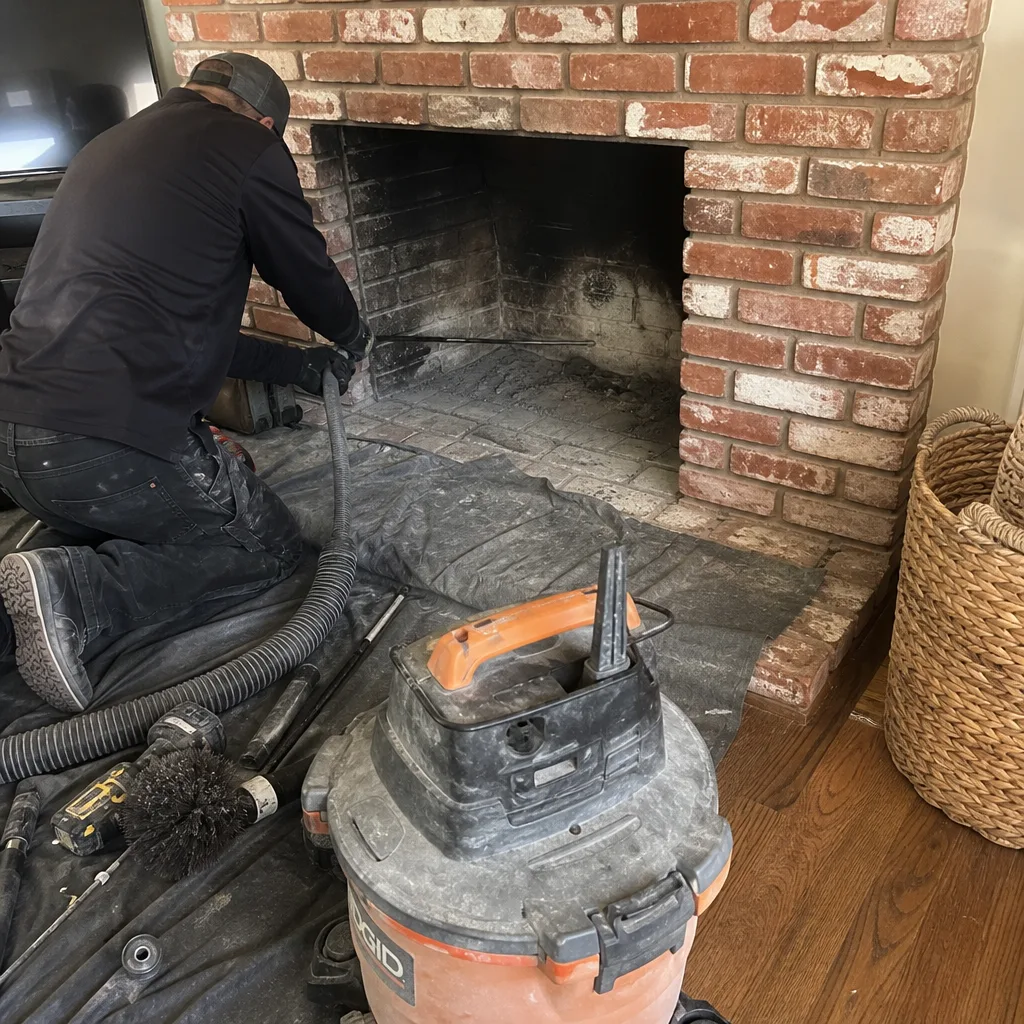 Before
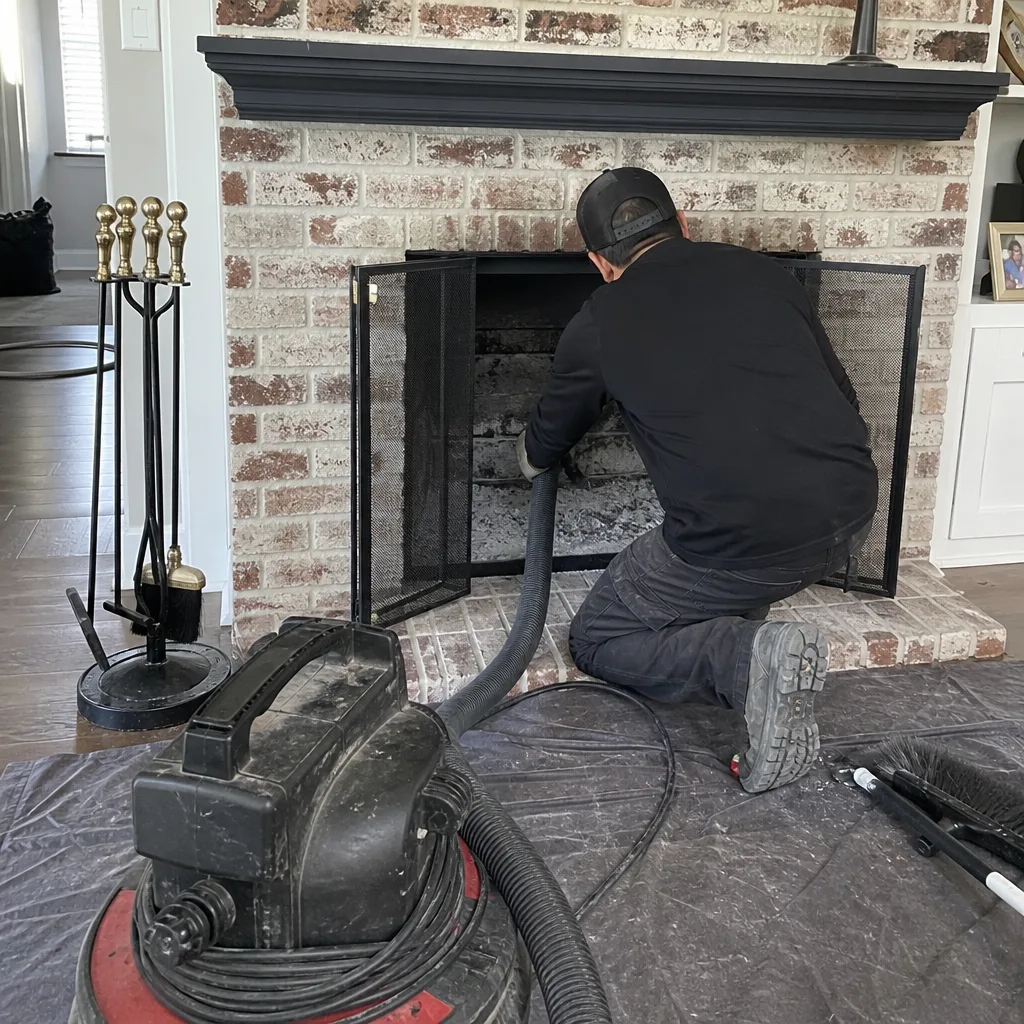 After
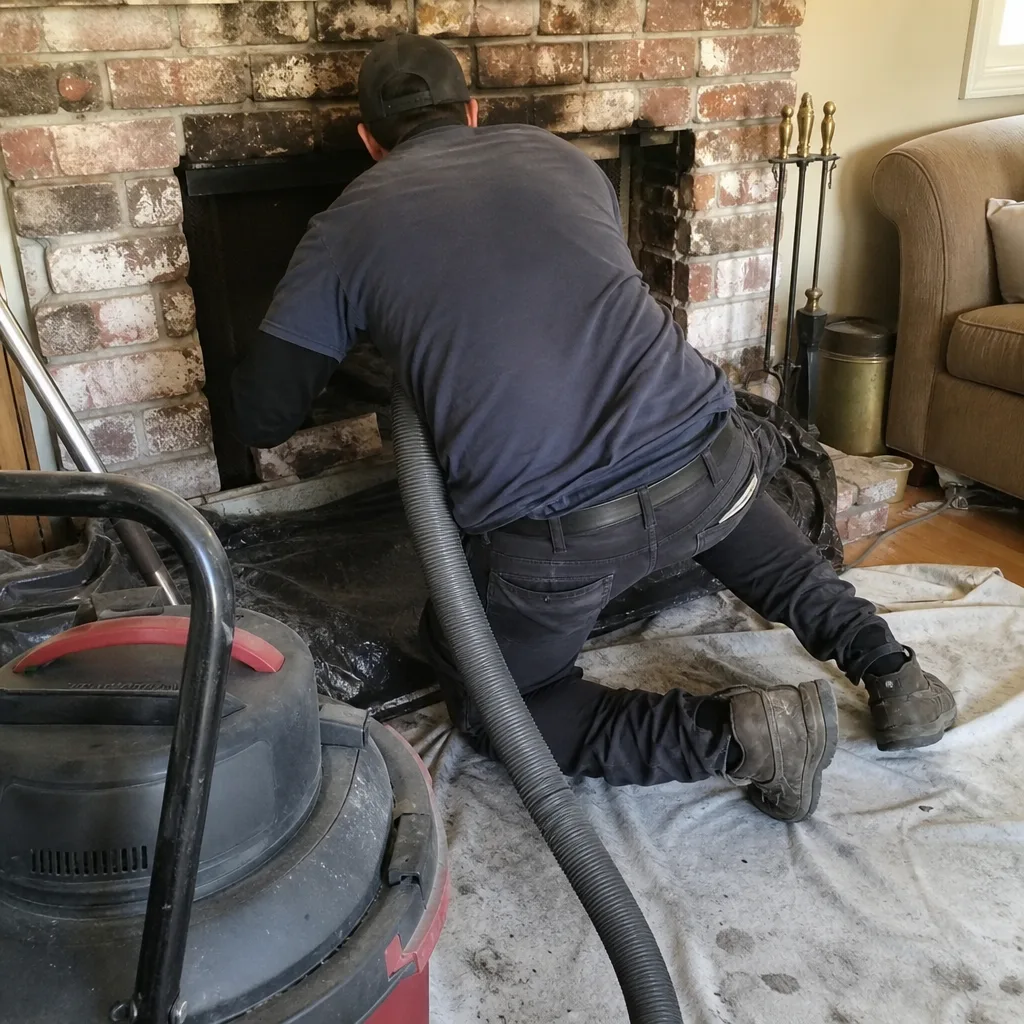 Before
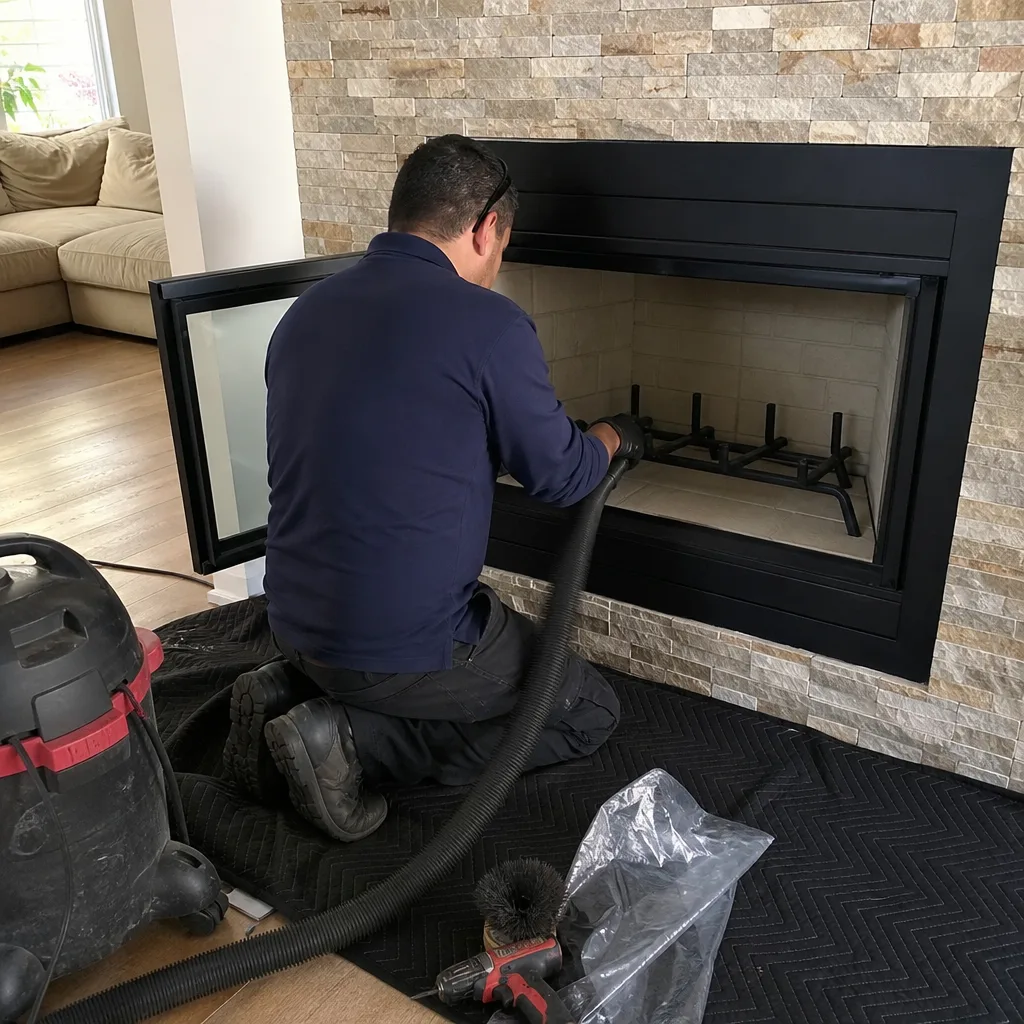 After
When to Call a Professional
You should schedule a professional chimney sweep in Orange at least once per year, before the start of burn season. But certain situations demand a call sooner than your annual cycle. If you’ve experienced a chimney fire, even a small one that extinguished on its own, stop using the fireplace and schedule a Level 2 inspection immediately. If you’ve noticed water staining on the ceiling near the chimney, or rust on the damper, call before the next rain. If you’ve bought a new home in Orange and have no records of when the chimney was last swept, schedule a sweep and Level 2 inspection before your first fire. If you smell smoke or burning odors when the fire isn’t lit, or you see visible creosote buildup in the firebox, don’t wait. And if your dryer is taking longer than one cycle to dry clothes, the vent needs attention now, not in six months. Prestige Chimney offers free estimates in Orange, call (833) 407-0587.
Frequently Asked Questions
A standard chimney sweep with Level 1 inspection in Orange typically costs between $189 and $299. Glazed creosote treatment, Level 2 video inspection, or dryer vent cleaning add to the total. Call (833) 407-0587 for an exact quote based on your chimney’s condition and history.
Once per year, regardless of how often you use your fireplace. Orange’s mild climate produces low-temperature fires that create glazed creosote more readily than cold-climate fires, so annual sweeping matters even for lightly used chimneys.
A Level 1 inspection is a visual check of accessible chimney components using basic tools, standard with a routine sweep; read The Complete Guide to Chimney Cleaning in Orange for the full picture. A Level 2 inspection adds video scanning of the flue interior and is required when buying or selling a home, after a chimney fire, or after significant brush fire exposure.
Chimney sweeping requires specialized brushes, HEPA containment equipment, and roof access that most homeowners aren’t equipped to handle safely. A professional sweep also includes inspection of components you can’t see from the ground. The risk of missing creosote buildup or liner damage isn’t worth the money saved. Plus, a DIY sweep provides no documentation for your insurance file.
Yes, gas fireplaces produce acidic combustion byproducts that corrode flue liners over time. They also leave a fine residue that should be removed annually. The inspection is particularly important for gas systems because carbon monoxide risk is invisible. A blocked or leaking gas flue can be deadly.
Look for a company that includes smoke chamber cleaning in its standard sweep, provides a written inspection report with every service, and shows you camera footage of any problem they recommend repairing. Avoid companies that quote unusually low prices, as they’re likely skipping essential steps. A company should also handle dryer vent cleaning if you want full protection in one visit.
The Bottom Line
Your chimney in Orange is a system, not a feature. It moves smoke, heat, and combustion byproducts out of your home, and it requires annual maintenance whether you burn ten fires a year or fifty. The low-use, mild-climate creosote cycle in Orange County means sweeping is more important here than in colder climates, not less. A proper sweep covers the firebox, damper, flue, smoke chamber, smoke shelf, cap, and crown, and leaves you with written documentation that protects you if you ever file an insurance claim. Skip the sweep, and you’re gambling with a fire hazard that compounds quietly year after year. Clean your chimney, clean your dryer vent, and keep the records. That’s the complete guide. Learn more at the Prestige Chimney home page or call us for a free estimate.
Written by the team at Prestige Chimney, serving Orange since 2017.