

Last updated October 30, 2026
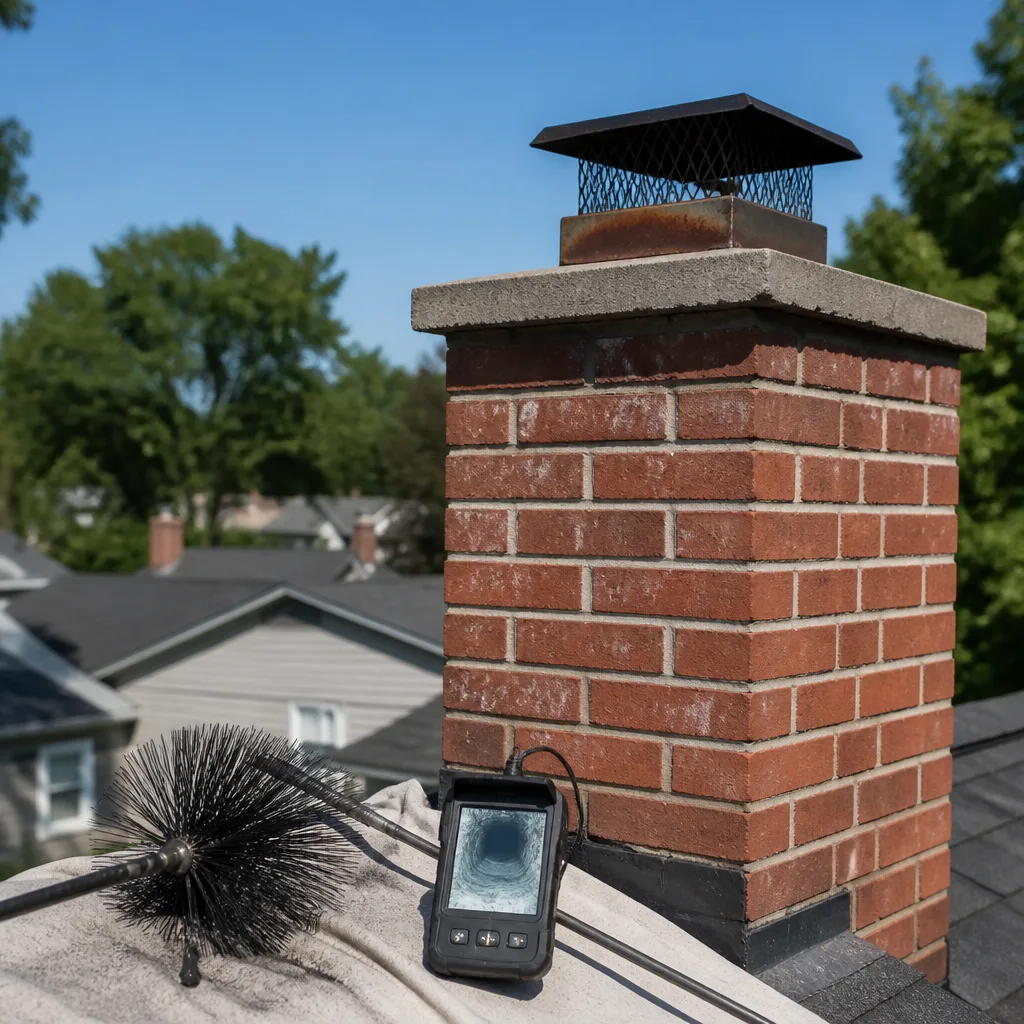 Sweep & inspection
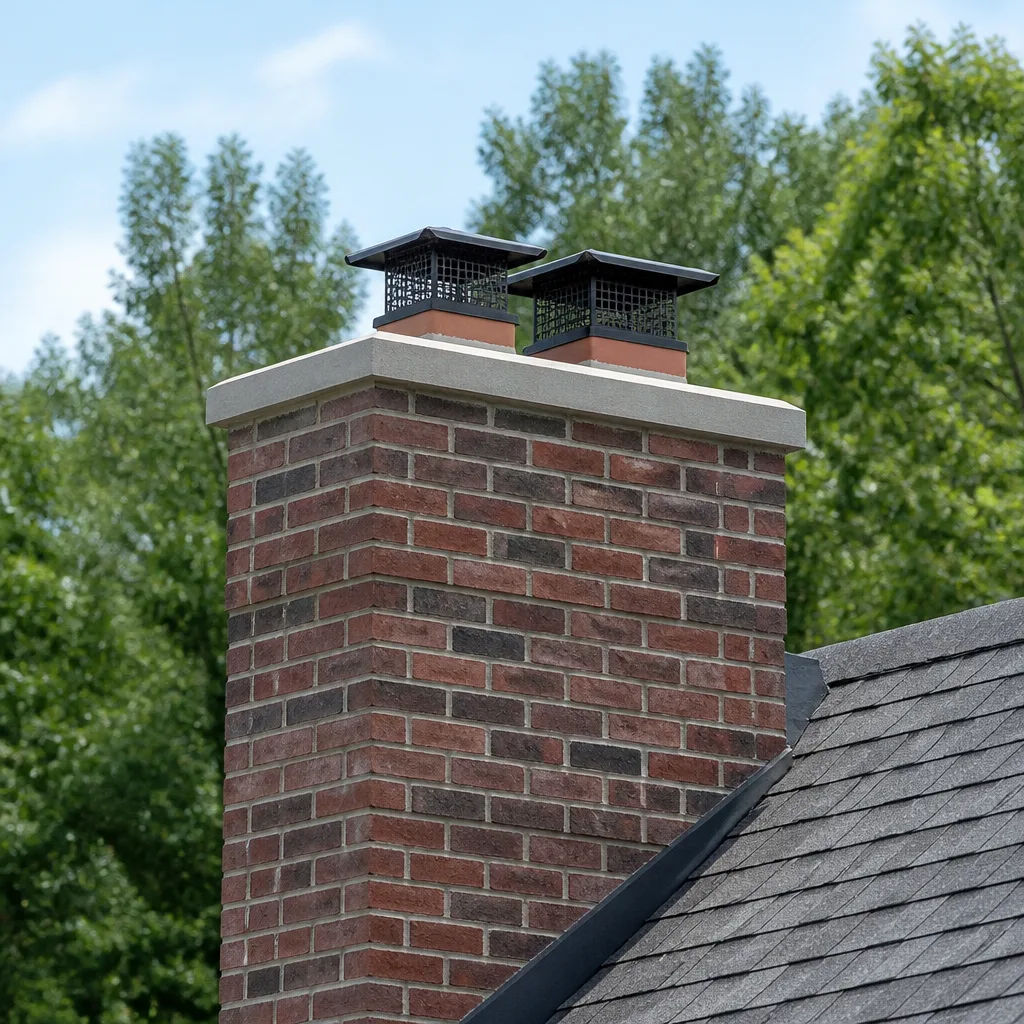 Caps & crowns
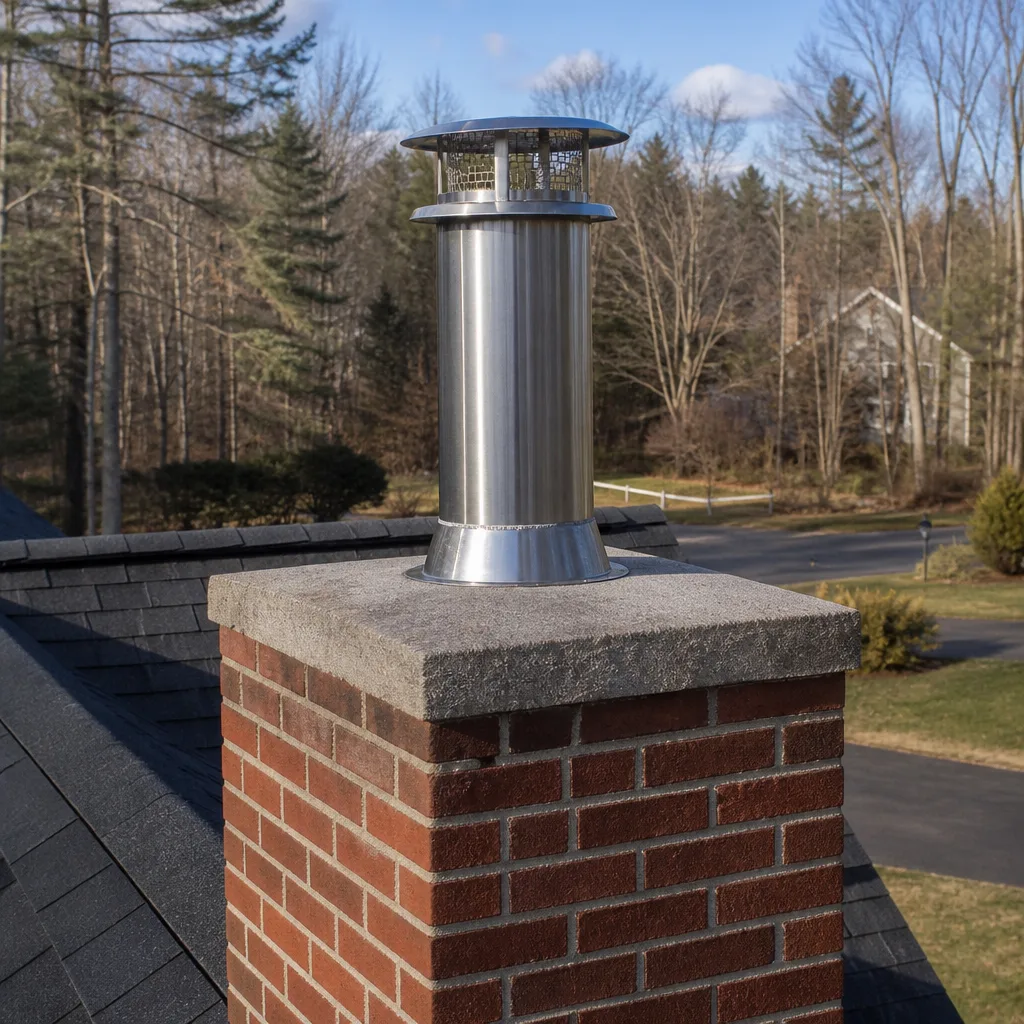 Flue relining
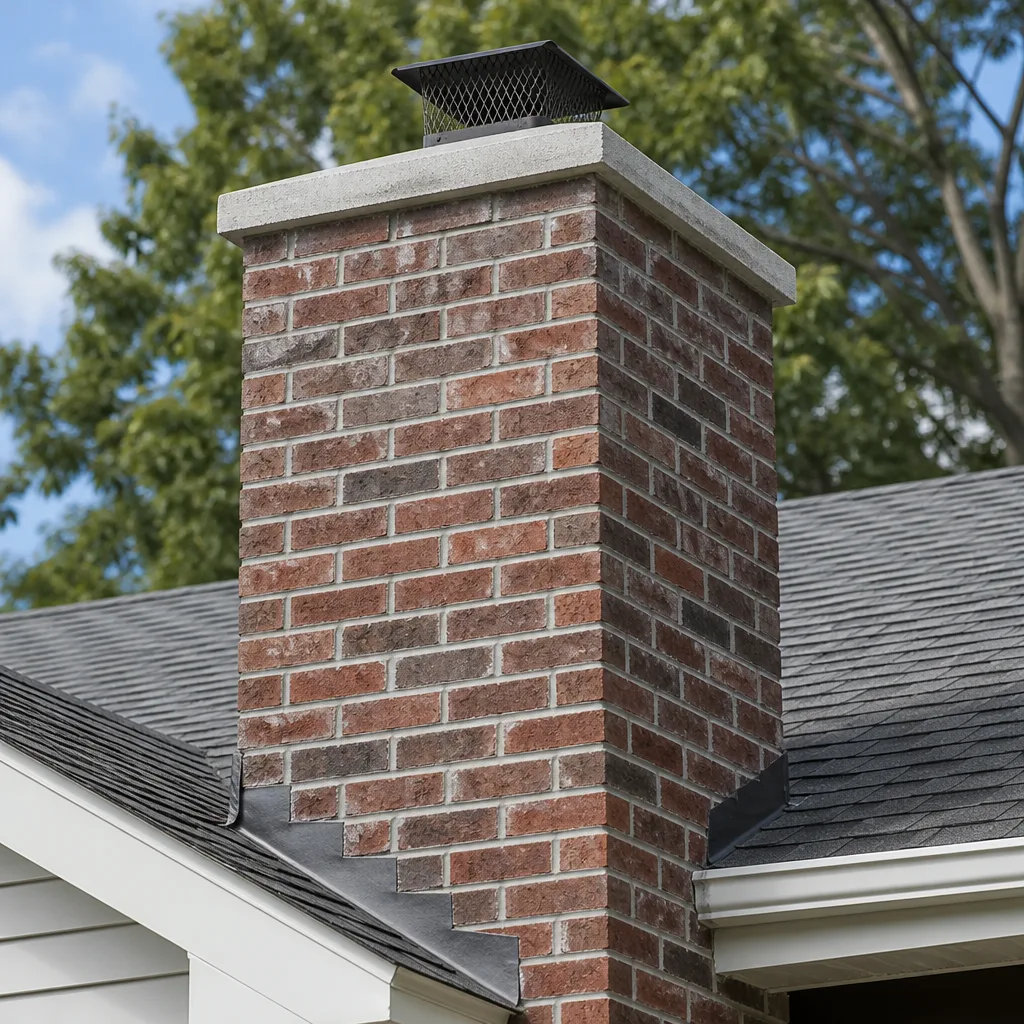 Masonry repair
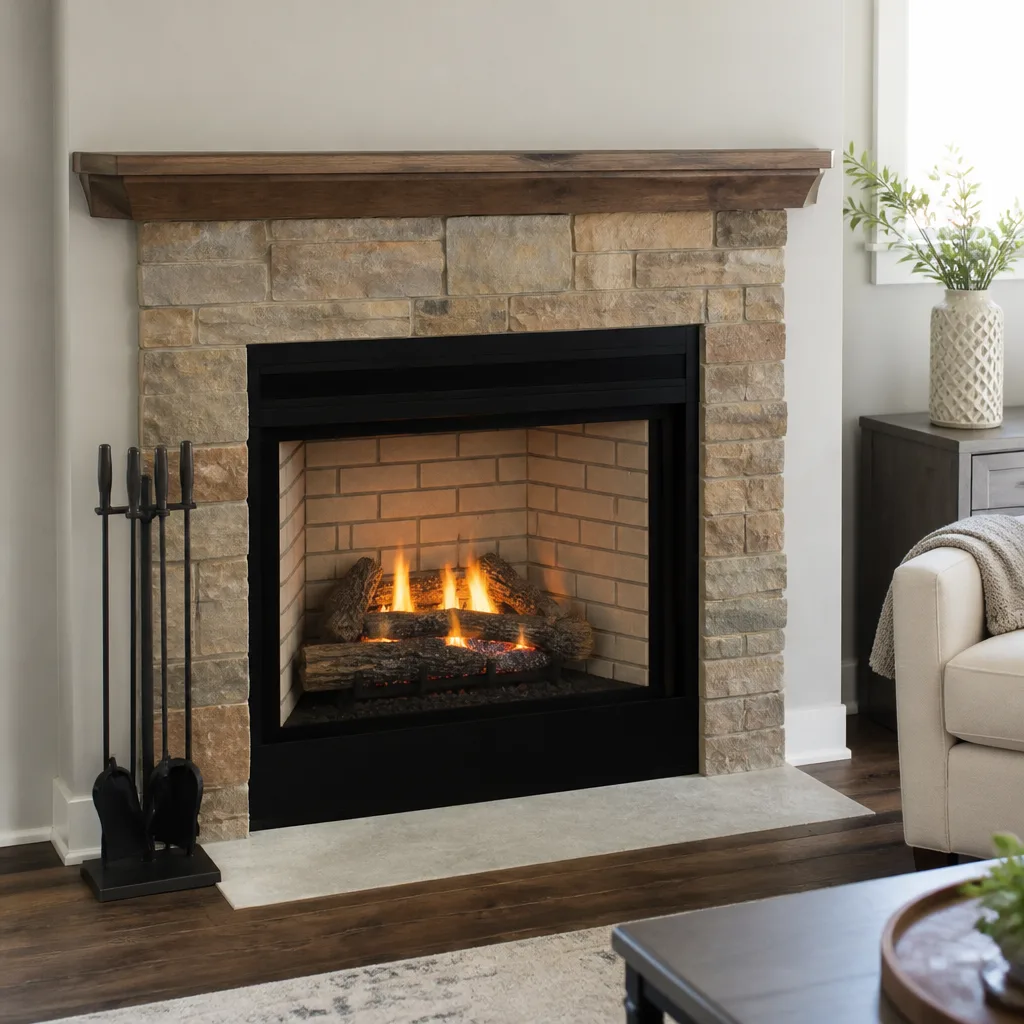 Gas fireplace service
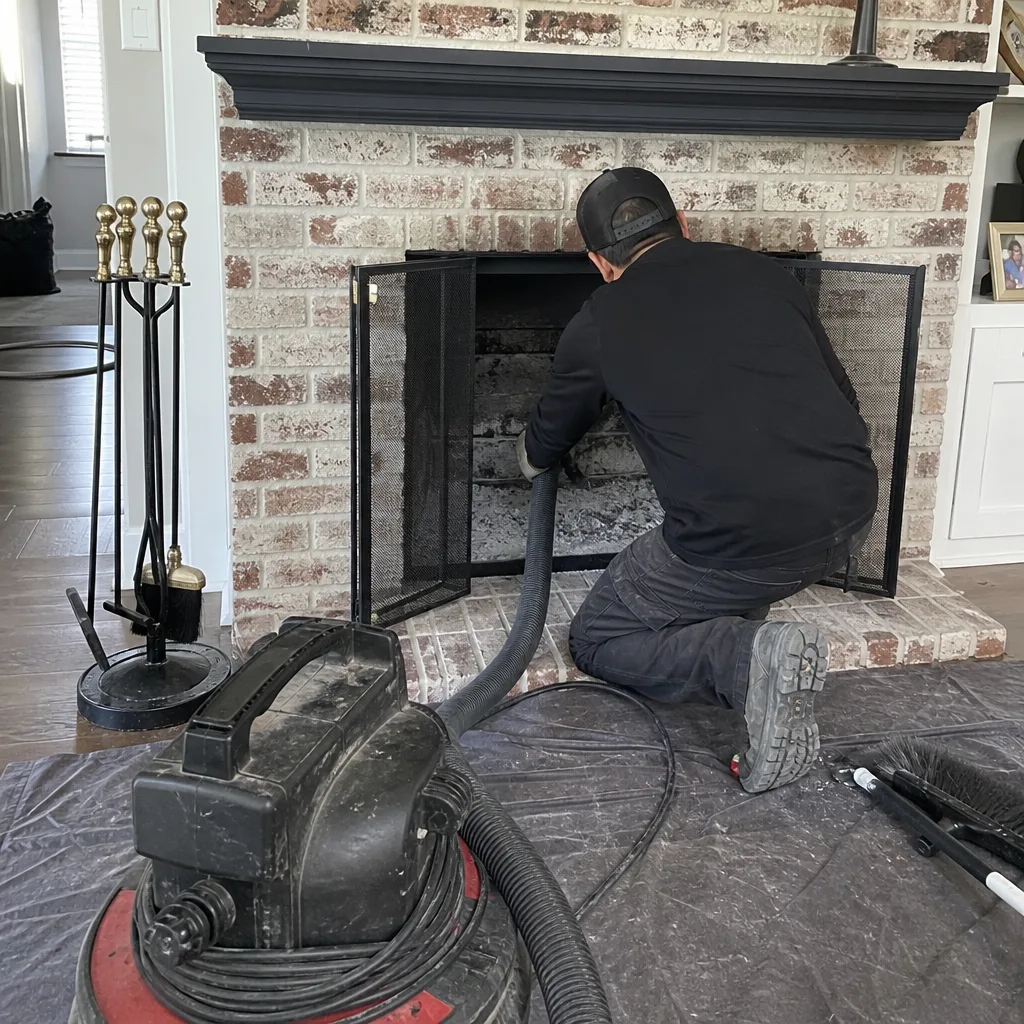
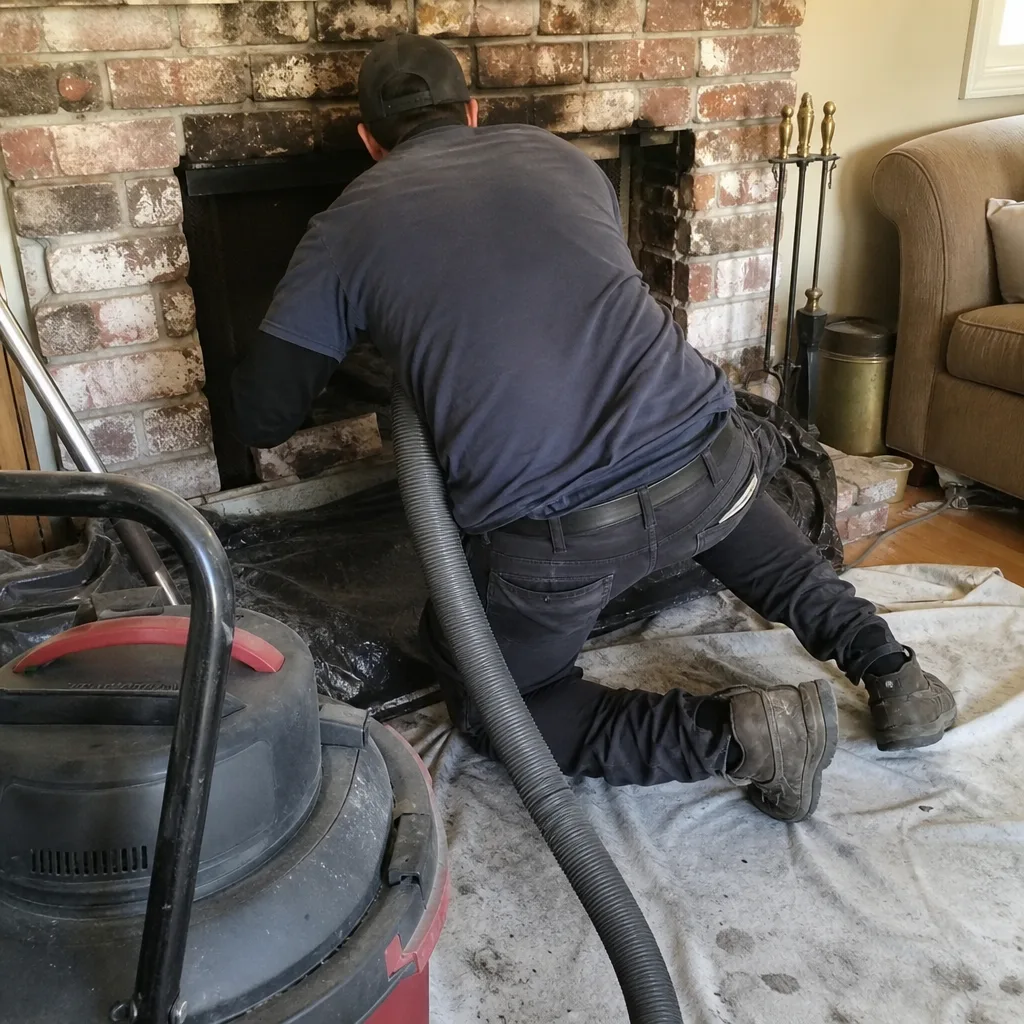
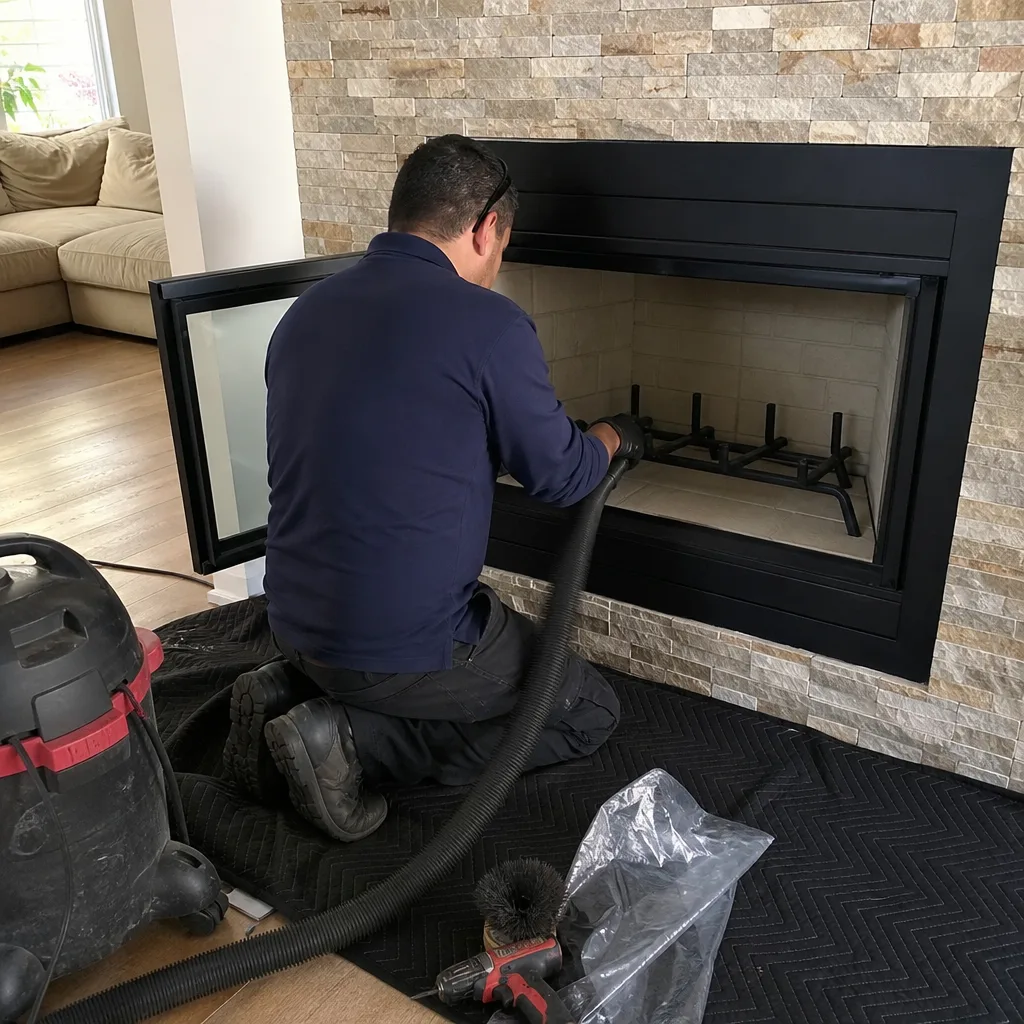
Level 1 sweep and inspection to the NFPA 211 annual standard - flue, crown, cap, and flashing checked and photographed
Chimney sweep logs do not sweep chimneys. They loosen some creosote - which then falls where a brush and vacuum still have to collect it.
Seasonal Chimney Cleaning Care for Orange: Year-Round Homeowner’s Guide
Here’s something most Orange homeowners don’t realize until it’s too late: the months when you’re most likely to light your first fire of the season are the exact same months Cal Fire designates as peak wildfire risk. October through December brings Santa Ana wind events, single-digit humidity, and the first cold evenings that send you reaching for the firewood. That overlap isn’t a coincidence you can work around. It’s a collision of hazards that makes fall chimney preparation more urgent in Orange than in almost any other U.S. climate. This guide walks you through what to do in each season, what you can safely handle yourself, and what genuinely requires a trained eye, and you can explore more guides & resources for year-round chimney care.
Quick Answer
Chimney cleaning in Orange should happen once a year, and the smartest window is late summer or early fall, before Santa Ana winds arrive and before you light your first fire. If you burn wood more than twice a week through winter, schedule a second sweep mid-season. The reason timing matters here specifically: an ember carried by a Santa Ana gust can ignite creosote buildup in an uncapped or debris-filled flue, turning a routine burn night into a structure fire.
Styles & brands we work with
Table of Contents
- Fall: Why October Is Too Late for Orange
- Winter: What to Monitor During Active Burning Season
- Spring: Post-Season Inspection Before the Rains End
- Summer: The Repair Window Most Homeowners Waste
- Dryer Vent Seasonal Checks: The Overlooked Schedule
- Materials Matter: What the Trade Actually Specifies
- What Seasonal Chimney Care Costs in Orange
- Common Mistakes to Avoid
Fall: Why October Is Too Late for Orange
In most of the country, fall chimney cleaning means scheduling sometime before the first hard freeze. Orange doesn’t have that deadline. What we have instead is a wind calendar. Santa Ana wind events typically begin in September and peak between October and December. Those winds don’t just dry out vegetation. They create pressure differentials that pull air down through chimneys and push embers horizontally across rooftops.
An uncapped flue or a flue packed with leaves, twigs, and squirrel nesting from spring and summer becomes a collection point. Ignite a fire in the firebox below, and the draft carries heat and embers upward into that dry debris. The result is a chimney fire that can spread to the roofline before you even notice the sound. In our experience, the calls we get in November are disproportionately from Orange homeowners who skipped their annual sweep because the fireplace went unused for eight months.
Fall preparation should include:
- A full sweep before October 1 – this removes creosote from the previous season and any debris that accumulated over the unused months.
- Cap and screen verification – a properly fitted cap with a spark arrestor screen is your best defense against ember intrusion during wind events.
- Damper function check – a damper that won’t fully open or fully close creates draft problems and lets heat escape when the fireplace is idle.
- Visual inspection of the crown and mortar joints – fall rains in Orange are sporadic but can be intense, and water intrusion now becomes freeze-thaw damage in the winter months ahead.
If you haven’t scheduled your annual chimney sweep in Orange by mid-September, you’re already behind the wind calendar. October is when we’re busiest, and it’s also when any required repair puts your first fire night at risk.
Winter: What to Monitor During Active Burning Season
Winter in Orange is mild by national standards, but it’s also the season with the most firebox activity. The unique challenge here isn’t extreme cold. It’s low humidity and air quality conditions that most national chimney guides never address.
Southern California’s winter air is frequently below 30% relative humidity. That dryness means creosote, which forms as a tar-like residue from wood smoke, cures faster and becomes more brittle and more flammable than it does in humid climates. A flue that would be merely dirty in Seattle can be genuinely dangerous here after the same number of burns.
During active burning season, monitor for these signals:
- Smoke entering the room instead of drafting upward. This can mean creosote buildup is narrowing the flue passage and reducing draft.
- A chemical or campfire-like smell in the house on days you haven’t burned. This indicates creosote accumulation is off-gassing into the living space, especially on warm days.
- Visible black, flaky deposits around the damper or firebox. These are creosote flakes falling from higher in the flue and should prompt an immediate inspection.
- A rumbling sound from the chimney during a fire. This can signal a small chimney fire in progress. Close the damper, evacuate, and call the fire department immediately.
Orange County also issues periodic no-burn alerts for particulate matter, especially on calm days when inversions trap smoke near the ground. During mandatory burn bans, don’t burn, and use the downtime to check gaskets, clean the firebox, and consult our Chimney Cleaning Emergency Preparedness Guide for Orange Homes to plan your next sweep. If you’re burning heavily through December and January, a mid-season sweep or at minimum a visual inspection is worth scheduling.
One more thing: carbon monoxide risk doesn’t pause in mild winters. A partially blocked flue, even without visible smoke spillage, can redirect combustion gases into the home. If you have a gas insert or use your fireplace frequently, a functioning CO detector on the same floor as the fireplace is a non-negotiable.
Spring: Post-Season Inspection Before the Rains End
Most Orange homeowners stop burning by March. What happens next in this climate is specific: spring rains, which arrive sporadically between March and May, expose every weakness in the chimney’s water-shedding systems.
Spring is not the time for a full sweep if you had one in the fall with light burning. It is the time for a post-season inspection that catches problems while they’re still cheap to fix. The good news about a mild Orange winter is that your chimney experiences less thermal stress than one in a colder climate. The bad news is that the freeze-thaw cycles we do get, especially in foothill-adjacent neighborhoods where nighttime temperatures dip more sharply, can crack crowns and mortar joints that were already marginal.
Your spring inspection checklist should include:
- Moisture testing of the interior flue walls. Water staining or efflorescence indicates a failed cap, cracked crown, or compromised flashing.
- Animal exclusion verification. Spring is nesting season for birds, squirrels, and raccoons. A cap that worked in fall may have been damaged by winter wind or animal attempts to enter.
- Chase cover and flashing inspection. For prefabricated chimneys, the metal chase top rusts over time, and once it fails, water enters the chase and damages the flue inside.
- Damper and firebox condition review. Mild winters with occasional heavy use can still crack firebrick and warp dampers, leaving you with drafts and reduced efficiency for the next season.
Spring is also the right time to make a decision about any liner concerns. If the fall sweep revealed stage 2 creosote or visible liner cracks, and you delayed addressing them through the burning season, now is when you want to schedule the fix. Liner damage doesn’t self-heal. It gets more expensive the longer you wait. For many Orange homes, the chimney repair path involves a HeatShield liner restoration rather than a full replacement, which can be done in a single visit and often preserves the original flue structure.
Summer: The Repair Window Most Homeowners Waste
If you live in Orange and your chimney hasn’t been opened since March, summer probably feels like the season when your fireplace doesn’t exist. That’s exactly what makes summer the best time to schedule any repair work discovered during spring inspection.
The logic is straightforward. Chimney repair work in Orange follows a seasonal demand curve that spikes in October when the first cold evening reminds everyone their fireplace exists, and again in January when the first rainy stretch exposes leaks. August and September are the calm before that spike. Contractor availability is at its highest, lead times for materials like DuraFlex liners and Copperfield chase covers are shortest, and you have leverage to schedule at your convenience rather than squeezing into an emergency slot.
Here’s the step-by-step sequence that makes summer work for you:
- Schedule the spring inspection by late April or early May. You want complete information on your chimney’s condition before you decide what summer work is needed.
- Get repair quotes in May or June. With no burning season pressure, you can compare options carefully, ask real questions, and make a decision based on long-term value rather than urgency.
- Book the repair for July or August. By then, most Orange homeowners have forgotten about their chimneys entirely, which means you get scheduling flexibility and often faster completion.
- Do the pre-season sweep in September. Coming out of summer repairs, a final sweep ensures the system is clean and ready before the October wind and burn season begins.
Summer is also the right time to address any cosmetic or structural issues you noticed during winter burning but didn’t have the urgency to fix. A cracked firebrick panel, a damper that’s stiff, a chimney cap that’s rusting and should be replaced before fall winds arrive. None of these are emergencies in July, but every one of them becomes harder to schedule once demand spikes in the fall.
Dryer Vent Seasonal Checks: The Overlooked Schedule
Your clothes dryer vent doesn’t care about fire season, but it follows its own seasonal pattern that most Orange homeowners never connect to their chimney maintenance calendar.
Here’s the overlooked fact: lint accumulation rates increase during summer. Warmer weather means more laundry cycles. More beach trips and pool days translate to more towels. More loads means more lint, and lint that makes it past the dryer’s internal filter collects in the vent pipe, where it builds into a dense, flammable plug. The U.S. Fire Administration identifies clothes dryers as a leading appliance-related cause of residential fires, which is why we treat dryer vent cleaning in Orange as part of the same seasonal-care conversation as chimney sweeping.
Integrate dryer vent checks into the same annual schedule:
- Early fall: Schedule a dryer vent cleaning at the same time as your chimney sweep. You’re already thinking about venting safety. Complete the picture.
- Mid-winter: If you notice clothes taking longer to dry, that’s a pressure symptom of lint buildup, not a dryer malfunction. It’s also the single most reliable early-warning sign in any season.
- Late spring: A quick visual check of the exterior vent while cleaning gutters or checking the roof. Look for visible lint at the vent opening or a flap that no longer opens fully when the dryer runs.
- Any time: Burning smell from the laundry area, excessive heat on the dryer exterior, or the laundry room becoming unusually warm during a cycle are all red-flag conditions that should prompt an immediate inspection.
The seasonal connection is simple: the same fall-prep mindset that protects your chimney from fire risk should extend to the vent that carries hot air and lint out of your laundry room. One contractor handles both. You don’t need to make two calls.
Materials Matter: What the Trade Actually Specifies
If you’ve ever wondered why two chimney repair quotes come in hundreds of dollars apart, the answer is usually materials. This trade runs on a simple dynamic: install whatever’s cheapest, and the work won’t last. Install what the industry actually specifies, and you won’t need to revisit it for 15 or 20 years.
We stock and install DuraFlex liners, HeatShield restoration products, Gelco caps, Olympia Chimney components, Famco vents, and Copperfield chase covers. These aren’t brand names we drop for credibility. They’re the material standards that chimney professionals across the country specify for repair work. The difference between a DuraFlex liner and a generic flex liner is the difference between a flue that lasts two decades and one that splits after a few seasons of Orange’s hot burns and seasonal temperature swings.
The same applies to chimney caps. A cheap cap from a hardware store covers the top of the flue but rarely holds up to Santa Ana wind loading. A Gelco or Copperfield cap is engineered to stay put and keep the spark arrestor screen intact, which is the feature that matters most in fall and winter in Orange.
Here’s the practical takeaway: when you’re comparing repair quotes, ask what’s being installed. If the technician can’t name the liner brand or the cap manufacturer, that’s not a company that’s thinking about your chimney’s performance five years from now. Professional-grade materials, not whatever’s on the shelf, should be the baseline expectation.
What Seasonal Chimney Care Costs in Orange
Chimney service pricing in Orange falls into predictable ranges, and our Chimney Cleaning Cost Breakdown: The Orange Homeowner’s Reference for 2026 can help you evaluate quotes intelligently rather than by gut feeling.
Here’s what you can expect for seasonal services in this market:
- Standard chimney sweep and inspection: $150 to $250, depending on flue height, condition, and whether it’s been more than two years since the last cleaning.
- Sweep with moderate creosote buildup (stage 2): $250 to $400, reflecting additional time and specialized chemical or mechanical removal.
- Dryer vent cleaning: $100 to $175, depending on vent length and accessibility.
- Chimney cap replacement (installed): $300 to $600, depending on flue size and whether a custom chase cover is required.
- HeatShield liner restoration: $1,200 to $3,000, depending on the extent of damage and flue dimensions. Often half or less of a full liner replacement.
- Full liner replacement with DuraFlex: $3,000 to $6,000, depending on chimney height, accessibility, and whether the existing liner can be removed intact.
These are market ranges for Orange, not quotes. The price you’ll actually pay depends on your chimney’s specific condition, height, and access. What matters most is that you’re evaluating quotes with a reference point and asking the right question when a number seems off: what materials are going in, and what condition was found during the inspection. For details on local requirements, see Chimney Cleaning Permits, Codes & Inspections in CA: What You Need to Know. The cheapest quote is rarely cheap if the liner fails in three years.
Common Mistakes to Avoid
- Waiting until the fireplace smells bad to schedule a sweep. By the time creosote odor is noticeable in the living space, you’re already at elevated fire risk. The smell is a late-warning signal, not an early one.
- Scheduling after the first October cold snap. In Orange, that’s exactly when contractor availability tightens and your sweep competes with hundreds of other procrastinators. Late September is the sweet spot.
- Assuming a gas fireplace needs no maintenance. Gas inserts still produce combustion byproducts, still have vents that can clog with dust and insects, and still need an annual visual inspection for blockages and carbon monoxide risk.
- Ignoring the chimney cap because the fireplace “never had problems before.” Caps rust, screens tear, and animals find ways in. A chimney without an intact cap is an open invitation to debris, nesting, and moisture damage.
- Postponing liner repair because the chimney is “only used a few times a year.” A cracked liner is dangerous on the first burn, not the hundredth. Frequency of use doesn’t reduce the risk; it just reduces the opportunities for the problem to reveal itself before it becomes serious.
- Forgetting the dryer vent because it’s not part of the chimney system. Lint fires happen in the vent pipe behind the wall, often at 2 a.m. when the household is asleep. If you’re already thinking about venting safety in the fall, include the dryer vent in that thinking.
- Using the fireplace during a no-burn alert. Orange County air quality regulations exist for a reason, and repeated violations carry real fines. If a no-burn day is called, close the damper and wait.
See the difference
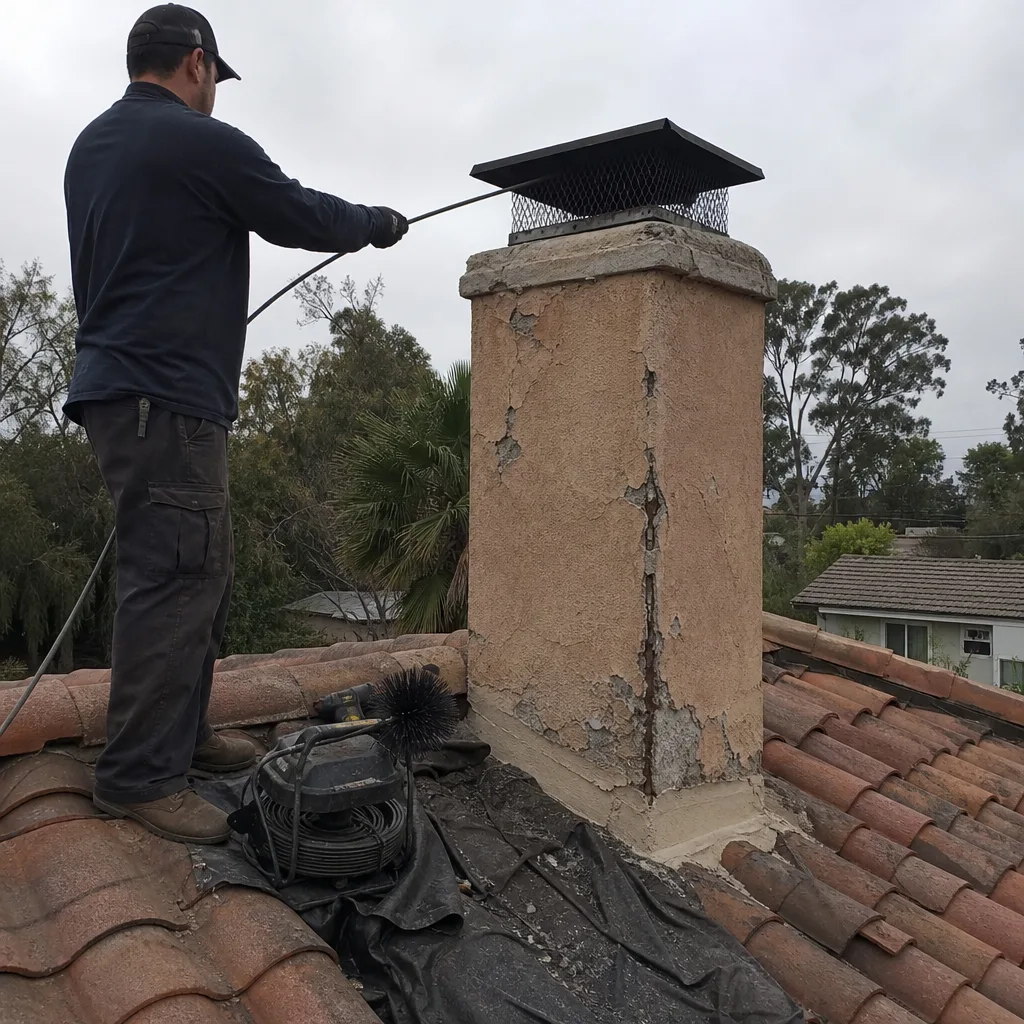 Before
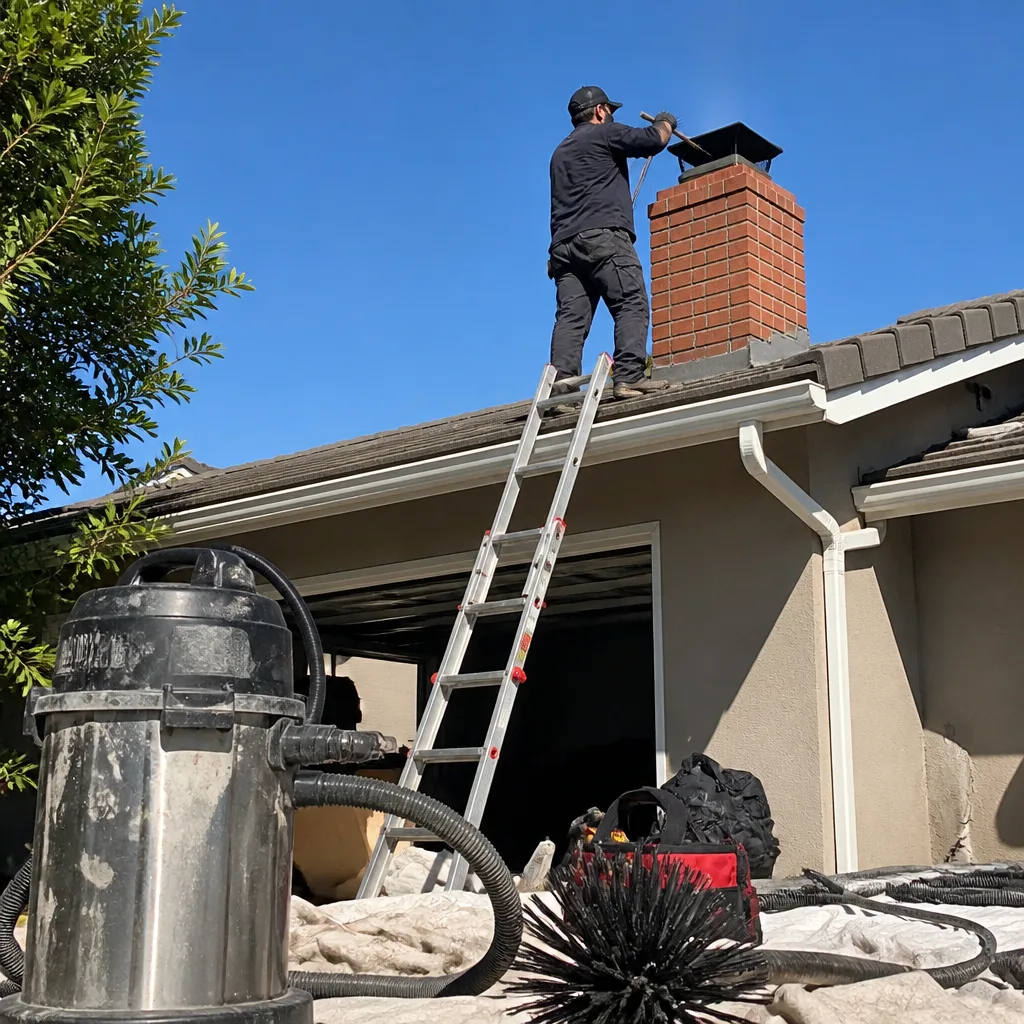 After
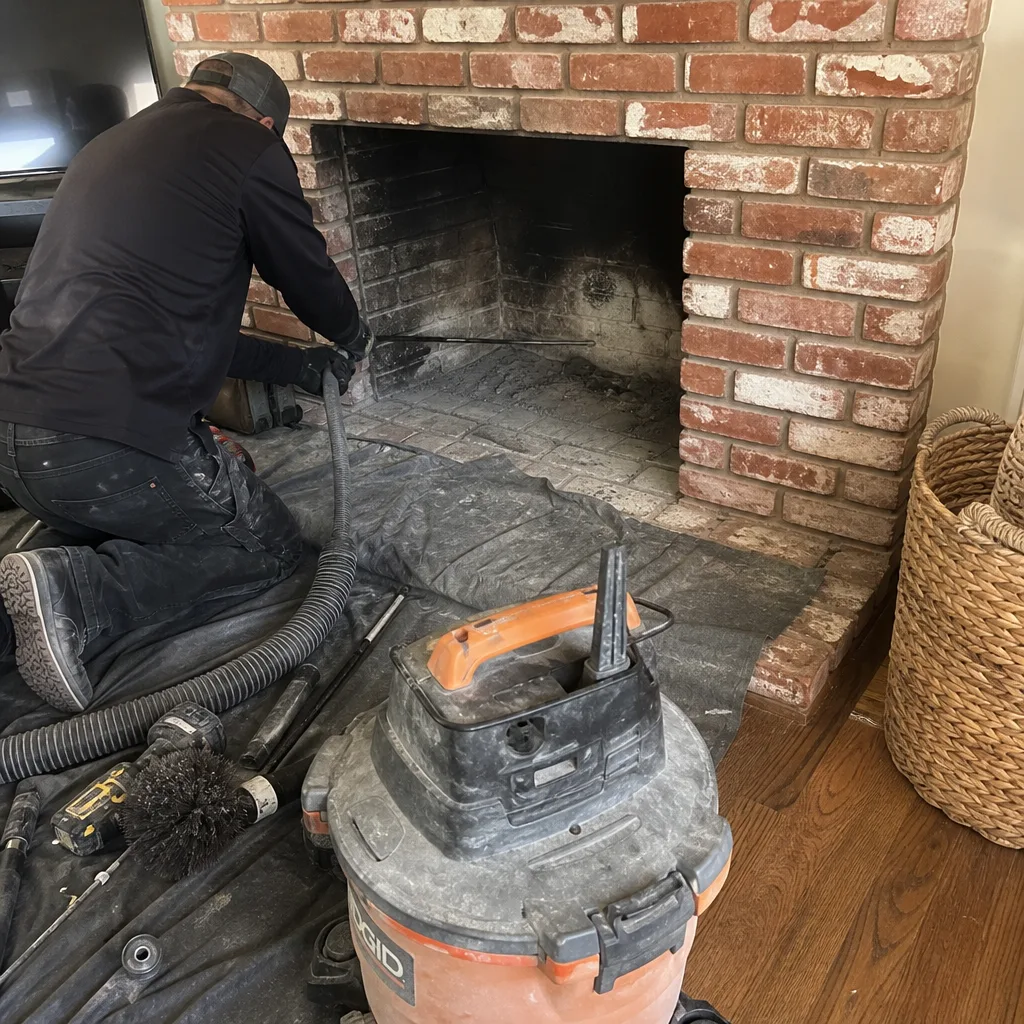 Before
 After
 Before
 After
When to Call a Professional
Some conditions genuinely require a trained technician with professional equipment, and attempting to diagnose or fix them yourself creates more risk than it resolves. Call a professional if you see visible creosote buildup thicker than a few millimeters, smoke entering the room during normal use, water staining on interior walls near the chimney, damaged or missing chimney caps, or any evidence of animal activity in the flue. Prestige Chimney offers free estimates in Orange. Call (833) 407-0587 to schedule an inspection, and we’ll give you a clear picture of what’s needed, what can wait, and what should be addressed before the next burn season arrives.
Frequently Asked Questions
Once a year is the standard for homes that burn wood occasionally or use a gas fireplace. If you burn wood more than twice a week, schedule a mid-season sweep in January as well. The dry Southern California climate accelerates creosote curing, which means flues here can become hazardous faster than in humid regions.
A standard chimney sweep and inspection in Orange runs between $150 and $250 for a flue in typical condition. Heavier creosote buildup, taller chimneys, and multi-flue homes increase that range. The best way to get an exact number is to schedule an inspection. Call (833) 407-0587 for a free estimate, and we’ll give you a firm quote before any work begins.
Creosote accumulates silently on the flue walls, and in Orange’s dry air it cures into a brittle, highly flammable coating. The next fire you light can ignite it. You may also miss early signs of liner damage, animal intrusion, or cap failure that would have been caught during a routine sweep. The cost of a skipped year is usually a more expensive repair the following year.
Yes. Gas fireplaces produce acidic combustion byproducts that corrode flue interiors over time, and their vents are just as susceptible to debris blockage and animal intrusion as wood-burning systems. An annual visual inspection and cleaning is recommended, even if the fireplace is used infrequently.
In many cases, yes. HeatShield restoration can resurface a cracked or deteriorating clay flue liner without the invasive tear-out and cost of a full replacement. It’s suitable for many Orange homes where liner damage is moderate and caught early. Full replacement with a DuraFlex liner is the right call when damage is extensive or the existing liner has failed structurally.
Santa Ana winds create strong downdrafts and pressure changes that can pull embers and sparks up and out of an uncapped or poorly capped flue onto your roof and surrounding vegetation. In Orange County, where October through December is peak burn season and peak wind season simultaneously, an intact cap with a functioning spark arrestor screen is essential fire protection. Call (833) 407-0587 if you’re unsure whether your cap is doing its job.
The Bottom Line
Seasonal chimney care in Orange isn’t about following a generic national maintenance calendar. It’s about aligning your chimney’s needs with the specific conditions this region throws at it: Santa Ana winds in fall, low-humidity creosote curing in winter, spring rains that expose water intrusion, and a summer repair window that most homeowners let pass unused. The plan is simple: sweep in September, monitor through winter, inspect in spring, repair in summer, and repeat. One call covers Prestige Chimney home services across sweep, repair, and dryer vent cleaning, so you never need to coordinate between contractors. Schedule your fall sweep now, while the schedule is still open, and before the winds arrive.
Written by the team at Prestige Chimney, serving Orange since 2017.