
Last updated October 30, 2026
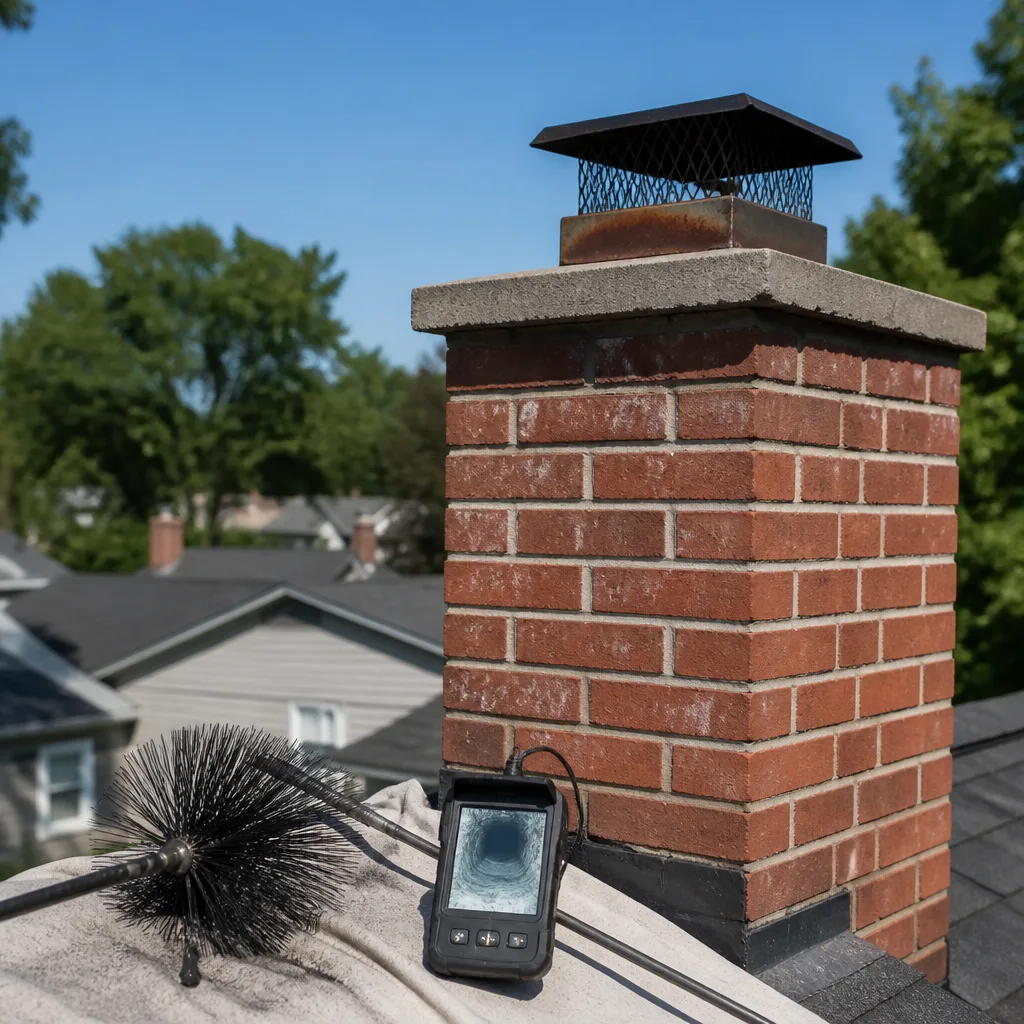 Sweep & inspection
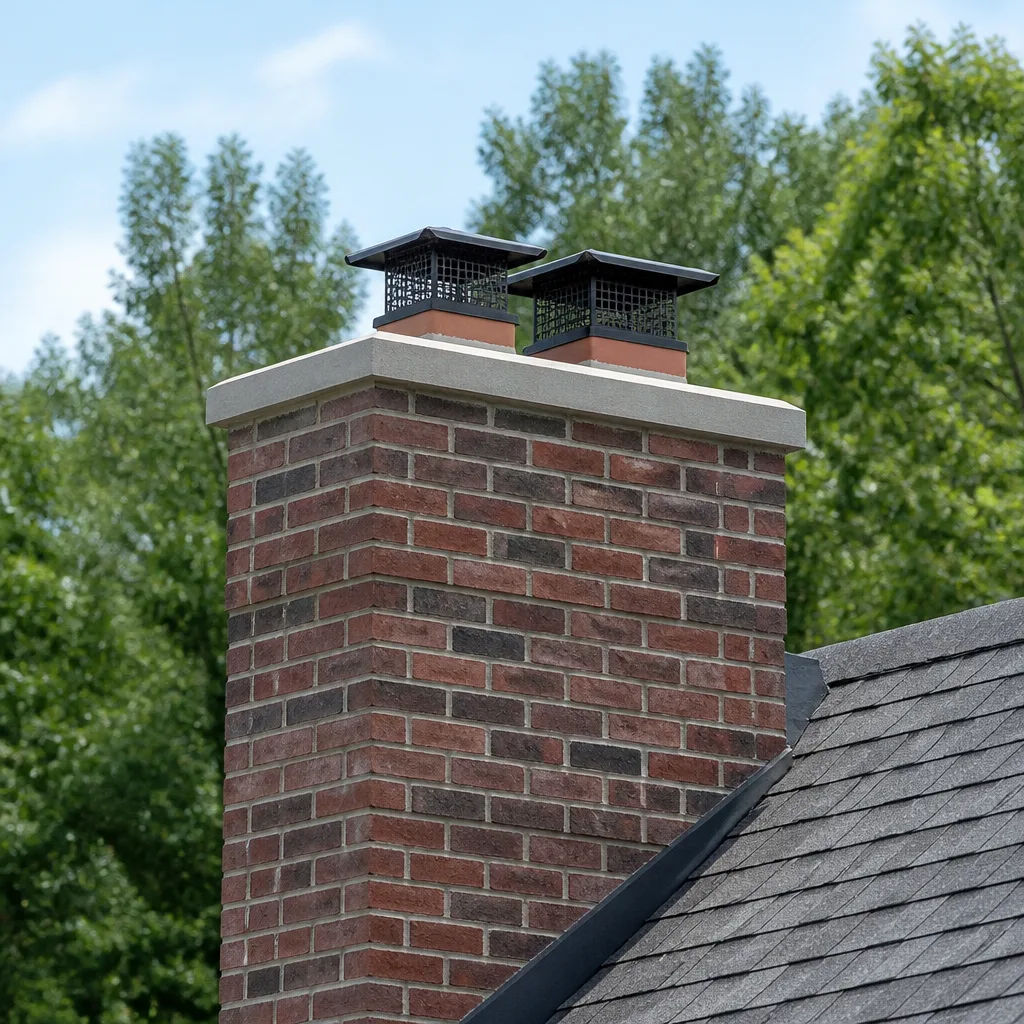 Caps & crowns
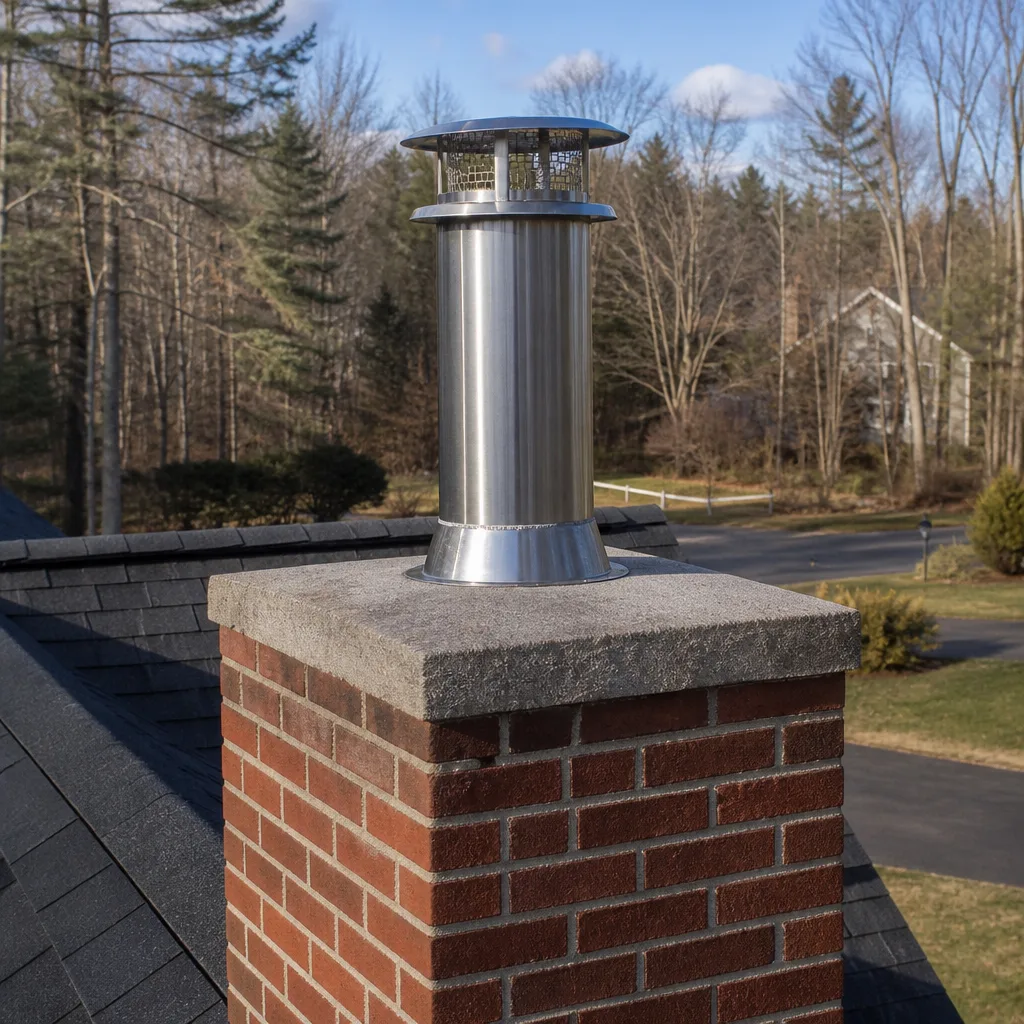 Flue relining
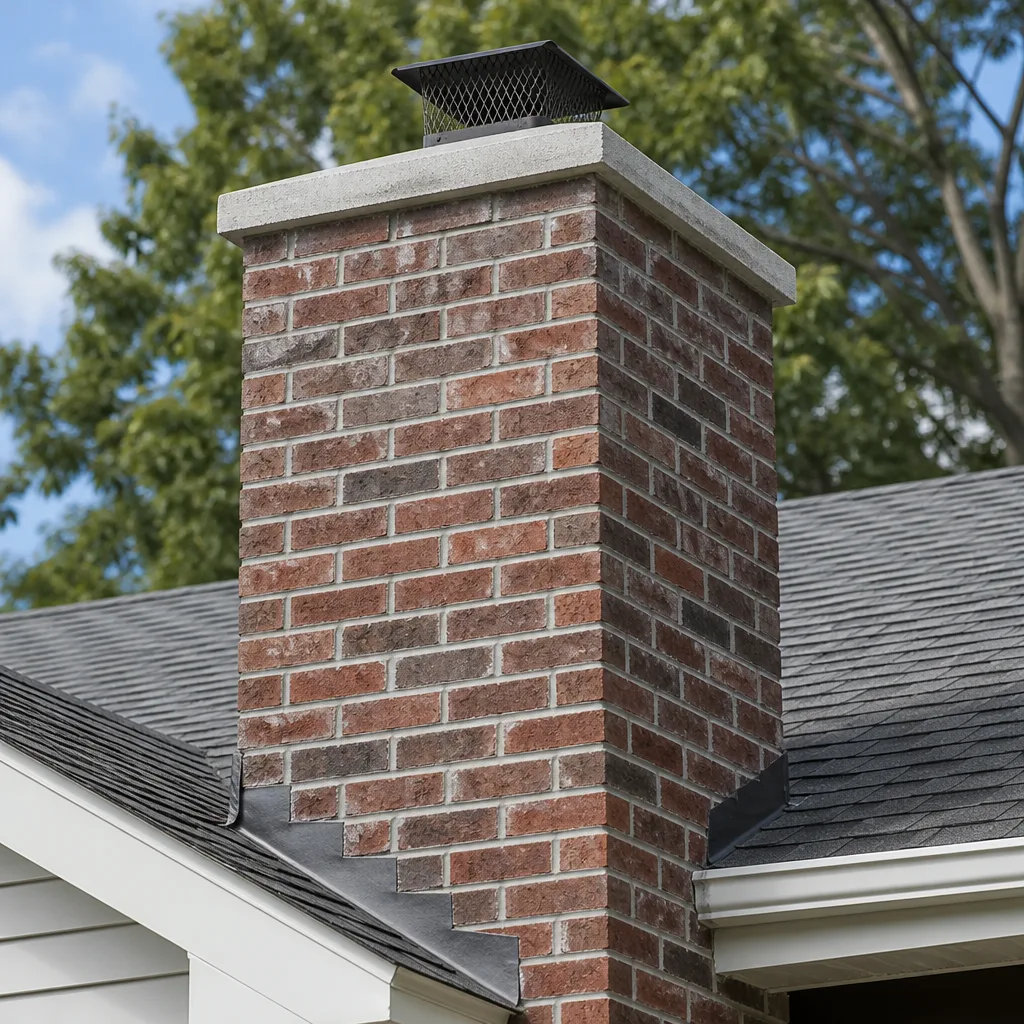 Masonry repair
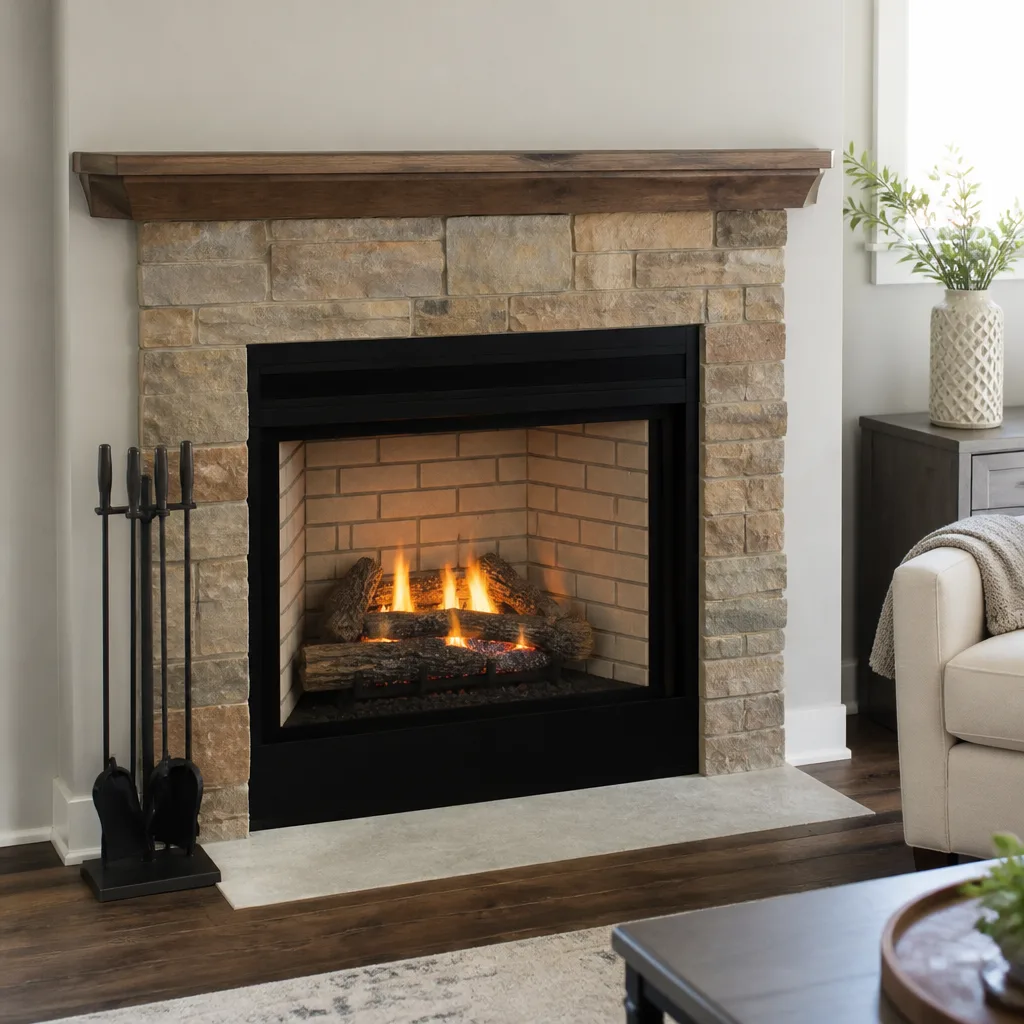 Gas fireplace service
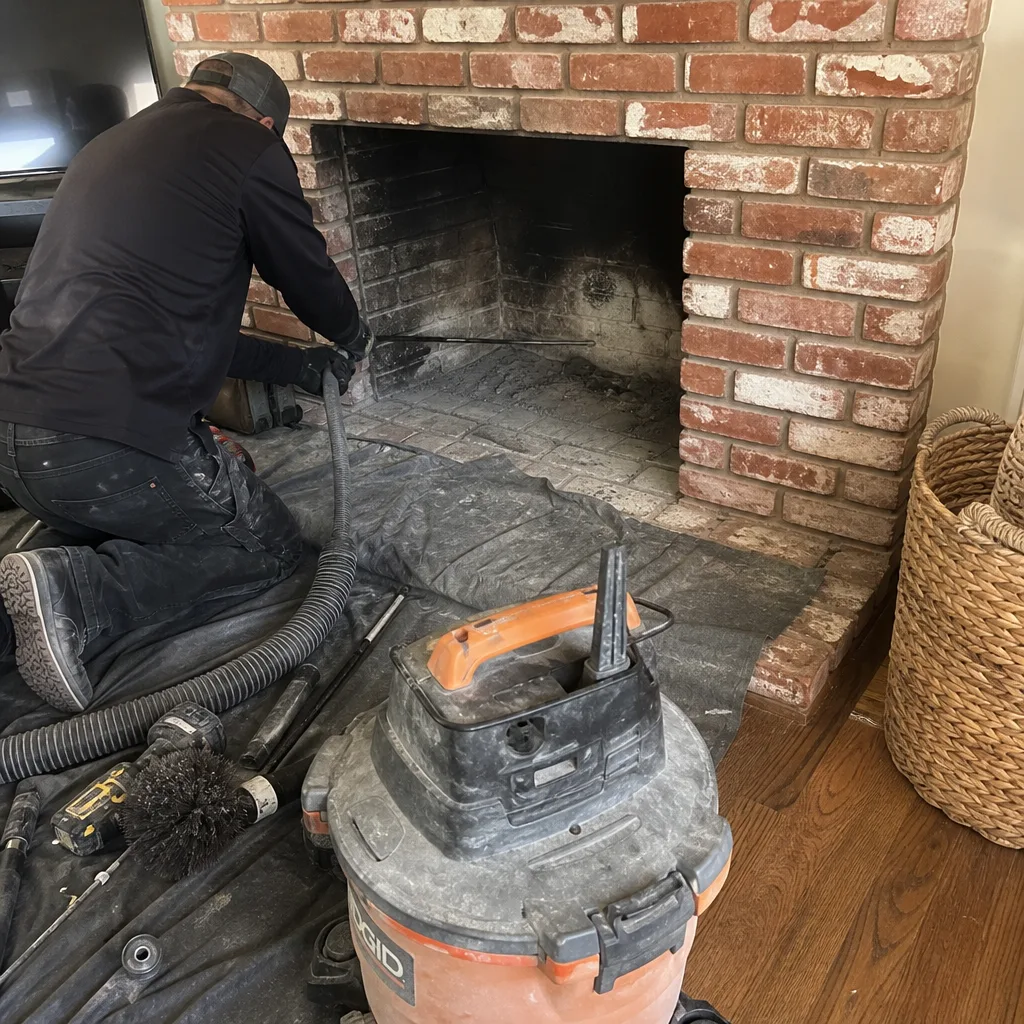
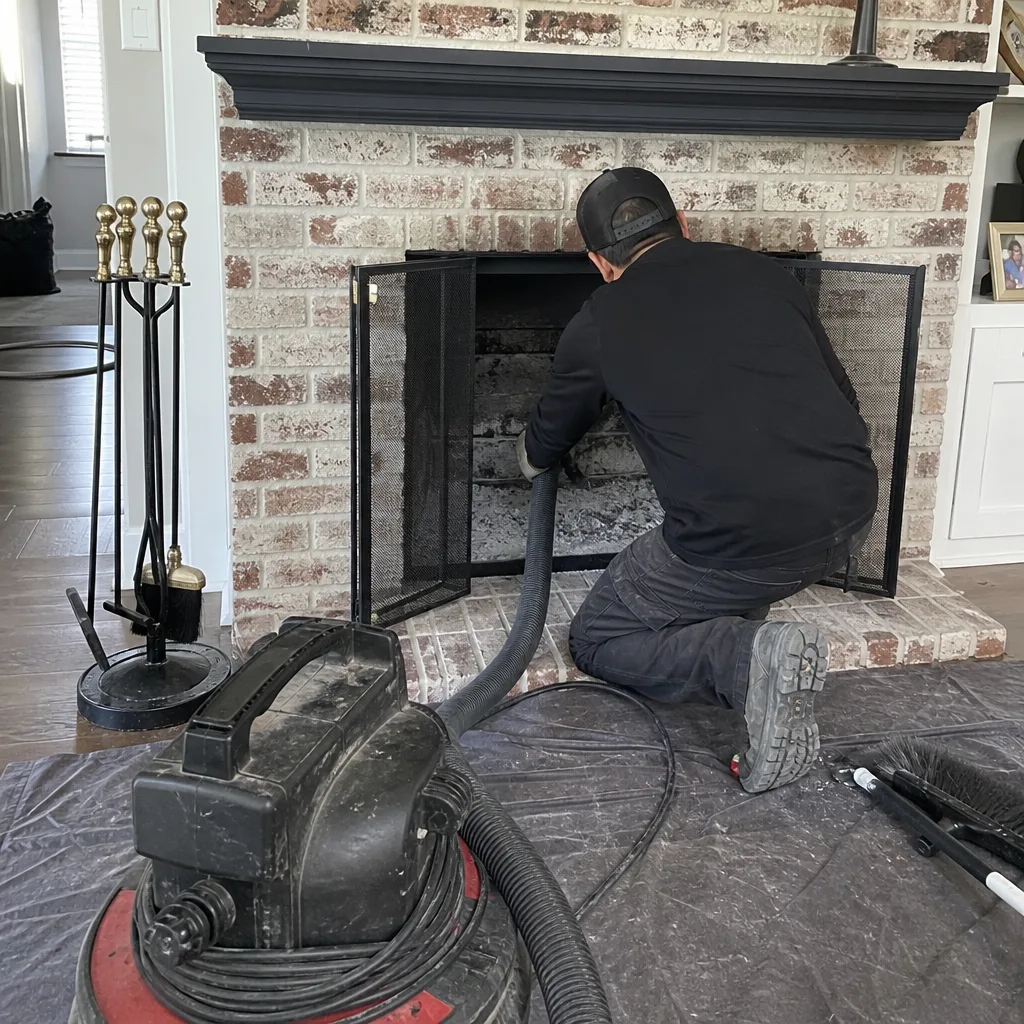
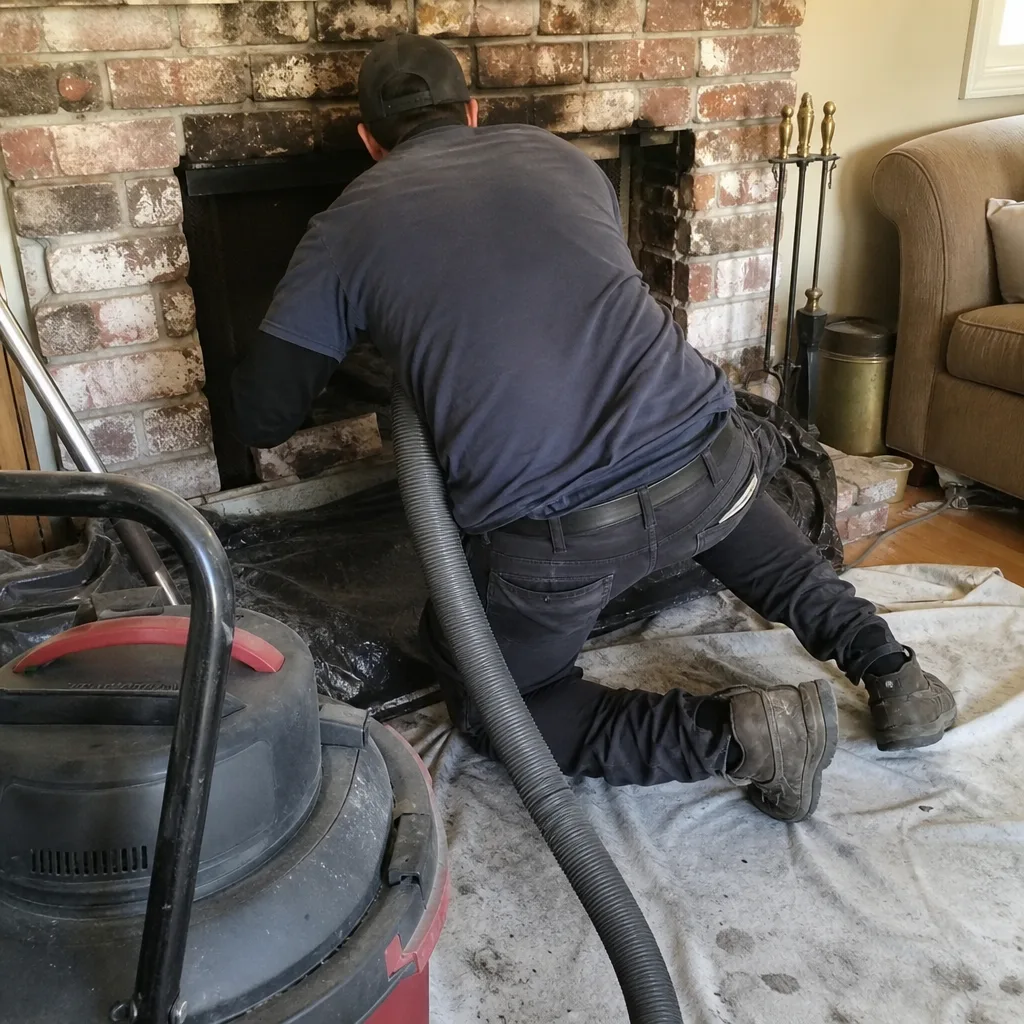
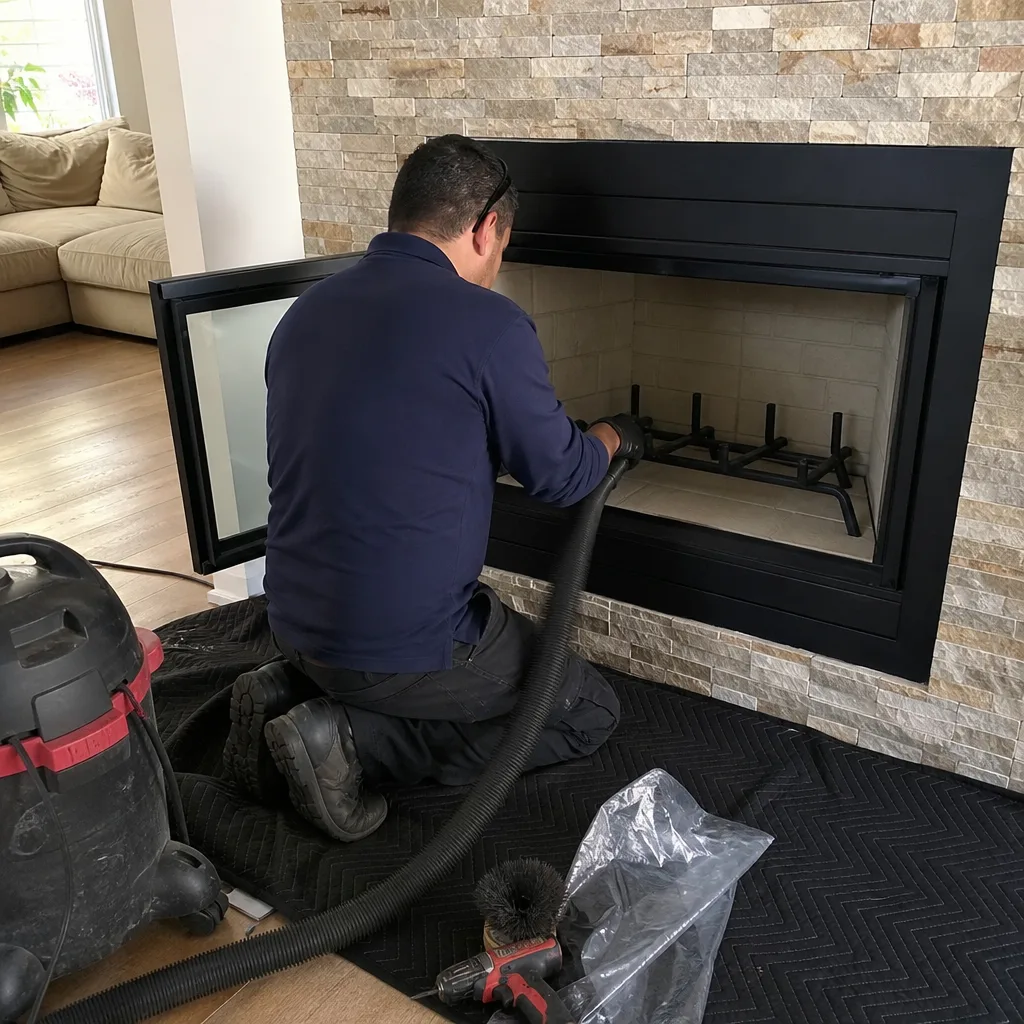
Level 1 sweep and inspection to the NFPA 211 annual standard - flue, crown, cap, and flashing checked and photographed
Chimney sweep logs do not sweep chimneys. They loosen some creosote - which then falls where a brush and vacuum still have to collect it.
How to Hire a Chimney Cleaning Contractor in Orange: A Step-by-Step Guide
California has no state license specifically for chimney sweeps. Read that again. The person who cleaned your neighbor’s fireplace for $79 last fall may hold zero verifiable credentials beyond a business card and a ladder. In Orange, where homes range from 1960s ranchers with original masonry to newer builds with prefabricated systems, that absence of regulation creates a hiring minefield. This guide walks through exactly how to vet a chimney cleaning contractor, what certifications actually matter, what a legitimate inspection report looks like, and the red flags specific to Southern California’s market. For more guides & resources, visit our blog.
Quick Answer
Hire a chimney cleaning contractor in Orange by verifying their CSIA or NFI certification, confirming general liability and workers’ comp insurance through California’s CSLB database, demanding a written post-job inspection report, and choosing a company that understands the difference between prefabricated and masonry systems. Expect to pay $169 to $350 for a standard sweep and inspection. Avoid anyone who quotes over the phone without asking about your chimney type, fuel source, or last service date.
Styles & brands we work with
Table of Contents
- The Sweep vs. Inspector Distinction: Why It Matters
- CSIA vs. NFI Certification: What Each Covers
- Verifying Insurance and Licensing Through CSLB
- Questions That Reveal Whether a Contractor Knows Chimney Systems
- Why You Need a Written Report, Not a Verbal “All Clear”
- Red Flags Specific to the Orange and Southern California Market
- The Step-by-Step Hiring Process
- Common Mistakes to Avoid
- When to Call a Professional
- Frequently Asked Questions
The Sweep vs. Inspector Distinction: Why It Matters
The biggest hiring mistake Orange homeowners make is not skipping credentials. It’s confusing a chimney sweep with a chimney inspector, and hiring someone who can clean but cannot assess structural hazards. These are different jobs requiring different training levels, and the confusion leaves homeowners with a false sense of safety.
A chimney sweep removes creosote, soot, and debris from the flue. A chimney inspector evaluates the structural integrity of the entire system: the flue liner, the smoke chamber, the crown, the flashing, the clearances to combustibles, and the condition of the firebox. A sweep can tell you the flue is dirty. An inspector can tell you the flue liner has a crack that’s allowing heat and gases to reach wood framing.
In our work across Orange, we regularly encounter homeowners who paid for a cleaning and assumed it included an inspection. It did not. The technician showed up, ran brushes through the flue, collected the payment, and left. No camera. No written report. No evaluation of the mortar joints. When we later performed an actual inspection, we found cracked flue tiles and deteriorating mortar crowns that had been building for years.
Here’s what Orange homeowners should know: a legitimate chimney sweep in 2026 cleans and inspects. The two services are inseparable under any recognized certification standard. If a contractor offers cleaning without inspection, or inspection without cleaning, ask why. The answer will tell you a lot.
When you compare services, look for a contractor who treats the sweep as the first phase of a complete system evaluation. That’s how Prestige Chimney’s sweep service in Orange works: every cleaning includes a Level 1 inspection, and our technicians document what they find with photos. If we find damage during the sweep, our chimney repair services handle it in the same visit rather than leaving it open.
CSIA vs. NFI Certification: What Each Covers
Two organizations dominate chimney professional certification in the United States: the Chimney Safety Institute of America (CSIA) and the National Fireplace Institute (NFI). Both are legitimate. They cover different areas, and Orange homeowners should understand which credential matters for their specific situation.
CSIA Certified Chimney Sweep
The CSIA certification is the most recognized credential in the chimney sweeping industry. To earn it, a technician must pass an exam covering chimney physics, code requirements, inspection procedures, and safety practices. Certification requires continuing education credits to remain valid, which means a CSIA-certified sweep is required to stay current on code changes and industry standards.
What CSIA covers:
- Chimney and venting system inspection protocols
- Creosote removal and sweeping techniques
- Code compliance for clearances and construction
- Fire safety and carbon monoxide risk assessment
- Dryer vent and gas appliance venting basics
What CSIA does not cover: the credential is broad-based. It qualifies a technician to inspect and clean general chimney systems, but it does not by itself indicate deep specialty in any one area.
NFI Certification
The National Fireplace Institute certifies specialists in three categories: NFI Woodburning Specialist, NFI Gas Specialist, and NFI Pellet Specialist. An NFI certification goes deeper into a specific fuel type. Someone holding an NFI Gas Specialist credential has demonstrated detailed knowledge of gas fireplace systems, venting requirements, and gas appliance safety.
What NFI covers:
- Fuel-specific installation and venting requirements
- Appliance-specific troubleshooting and maintenance
- Manufacturer specifications for gas, wood, or pellet systems
- Code requirements specific to the certified fuel type
Which Credential Matters for Your Situation
If you have a traditional wood-burning masonry fireplace, a CSIA-certified sweep is the right match. If you have a gas insert or a high-efficiency gas fireplace, look for NFI Gas certification in addition to a clean track record. Orange has a significant number of homes with gas inserts, particularly in newer tracts and remodeled properties, and these systems have venting requirements that differ from wood-burning chimneys.
Ask directly: “What certifications do your technicians hold?” A professional answer includes the credential, the certifying body, and ideally the technician’s name. A vague answer like “everyone here is certified” without specifics is a warning sign.
Verifying Insurance and Licensing Through CSLB
California’s Contractors State License Board (CSLB) maintains a public database of licensed contractors, and it’s the first place you should check before anyone climbs onto your roof in Orange. Here’s the process, step by step:
- Go to the CSLB website (cslb.ca.gov) and use the “Check a License” tool. You’ll need the contractor’s license number or the business name as registered.
- Verify the license classification. Chimney work typically falls under C-61 Limited Specialty classification, specifically the C-61/D-34 (sheet metal) or C-29 (masonry) categories. Ask the contractor what classification they hold. If they can’t tell you, that’s a problem.
- Confirm the license is active and current. The database shows status, expiration date, and any disciplinary actions. A suspended license means no work should proceed.
- Request proof of general liability insurance. The CSLB database shows workers’ comp insurance status, but general liability requires a certificate from the contractor’s carrier. A legitimate contractor will email you a certificate within minutes. A contractor who hesitates or deflects is telling you something.
- Verify workers’ compensation coverage. If a technician falls off your roof and the contractor lacks workers’ comp, you can be held liable. The CSLB tool shows whether workers’ comp coverage is on file. For a company with employees, this is non-negotiable.
We’ve encountered Orange homeowners who hired unlicensed individuals for chimney work and later discovered they had no recourse when the work failed or caused damage. The CSLB lookup takes five minutes. The alternative can cost thousands.
Questions That Reveal Whether a Contractor Knows Chimney Systems
Here’s a simple test: ask any contractor these five questions. The answers will immediately separate chimney specialists from generalists who happen to own brushes.
- “What type of chimney do I have, and what should I know about it?” A specialist will ask whether your system is masonry or prefabricated before answering. Prefabricated chimneys are factory-built metal systems with specific clearance requirements and component compatibility rules. Masonry chimneys are site-built with brick, block, or stone and feature different failure modes. If the contractor gives a generic answer without addressing the system type, they’re not thinking like a specialist.
- “What is the flue liner made of, and how do you inspect it?” Liners are typically clay tile, stainless steel, or cast-in-place material. Each requires different inspection approaches and has different failure indicators. A competent technician explains the difference and describes the camera inspection they’ll perform.
- “What brands of replacement components do you use?” The answer should include professional-grade names. Companies that spec materials like DuraFlex, HeatShield, Famco, or Copperfield are signaling they use components specified by chimney professionals nationwide, not whatever’s cheapest at the hardware store. If the contractor can’t name a single manufacturer, they’re likely sourcing from consumer retail.
- “Can you explain the clearances required between a prefabricated chimney and combustible framing?” This is a technical question that generalists fail. The correct answer involves the manufacturer’s listed clearance, typically 2 inches for most systems, but verified against the specific unit’s installation manual. A blank stare tells you everything.
- “What does a Level 2 inspection include, and when is it required?” A Level 2 inspection includes everything in a Level 1 plus examination of accessible attics, crawlspaces, and the exterior chimney surface. It’s required when a property changes hands, after a chimney fire, or when the system has been modified. A contractor who can’t explain the three inspection levels defined by the National Fire Protection Association is not qualified to be on your roof.
We hear these answers daily. The difference between a specialist and a generalist is immediate and obvious. Trust your instinct when the answers feel rehearsed or vague.
Why You Need a Written Report, Not a Verbal “All Clear”
A verbal “all clear” is worthless. Here’s why: there is no record of what was inspected, what was found, what was cleaned, or what condition the system was in at the time of service. When you file a homeowners insurance claim after a chimney fire, the adjuster will ask for documentation of maintenance. A written report is your evidence. A verbal assurance vanishes.
What a legitimate written inspection report must contain:
- Technician name and certification number. Not just the company name. The individual who performed the work.
- Date of service and type of inspection performed. Level 1, Level 2, or Level 3, as defined by NFPA 211.
- Findings with photographic documentation. Photos from the camera inspection showing the flue interior, from the top showing the crown and cap, and from inside showing the firebox and damper. If a company says they used a camera but provides no photos, question whether the camera existed.
- Specific condition notes. Not “good” or “okay.” Real notes: “2mm creosote buildup in upper third, removed.” “Glazed creosote present in smoke chamber, level 2.” “Cracked flue tile at 12 feet, recommend evaluation.”
- Recommendations with priority levels. What needs immediate attention, what can wait, and what is cosmetic. A report that recommends everything be done immediately is a sales pitch, not an inspection.
- Measurements and clearances verified. For prefabricated systems, confirmation that clearances to framing match manufacturer specifications.
Ask before booking: “Will I receive a written report with photos?” If the answer is anything other than a clear yes, call someone else. If the contractor charges extra for the report, that’s also a warning sign. Documentation is part of professional service, not an upsell.
Red Flags Specific to the Orange and Southern California Market
Every market has its own scam patterns. Here are the ones we see repeatedly in Orange and throughout Southern California:
The $69 Bait and Switch
You see the coupon, the flyer, the Facebook ad: $69 chimney cleaning. The technician arrives, runs a brush through the flue, then announces the chimney needs $3,000 in repairs. The $69 was never the price. It was the cost of getting someone onto your property to generate a sales opportunity.
In Orange, a legitimate sweep and Level 1 inspection typically runs between $169 and $350, depending on the system type, accessibility, and condition. See our Chimney Cleaning Cost Breakdown: The Orange Homeowner’s Reference for 2026 for detailed pricing factors. A price far below that range is not a deal. It’s a hook.
The “Flue Camera” Upsell
Some contractors market a $199 “flue camera inspection” as an add-on to a basic cleaning. What they’re actually selling is what a legitimate professional includes as standard practice. Camera inspection of the flue is part of a proper Level 1 or Level 2 inspection. Anyone charging extra for it as a premium feature is monetizing what should be included.
Similarly, beware of contractors who claim to perform a “Level 2 inspection” with a consumer-grade camera and a 10-minute walkthrough. A real Level 2 inspection takes time and produces documentation.
The Creosote Remover Pitch
There is a product category called “creosote remover” that some companies sell hard. The pitch goes: for an additional $150, they’ll apply a chemical treatment that removes glazed creosote. Here’s the truth: chemical treatments can help with light creosote, but glazed, baked-on creosote is removed through mechanical means, not a spray. If a contractor claims a liquid will eliminate glazed creosote without mechanical removal, they’re either ignorant or lying.
The Unlicensed “Chimney Expert”
We mentioned this earlier, but it bears repeating because it’s so common in Orange: California has no chimney-specific license requirement. The result is that handymen, roofers, and general contractors all market chimney services without any chimney-specific certification. Require CSIA or NFI certification. End of discussion.
The Disappearing Contractor
The job gets done, or partially done, and then the contractor stops answering calls. This pattern is common with the low-price operators who move between cities and change business names frequently. It’s another reason to verify CSLB registration and ask for references from Orange customers specifically.
The Step-by-Step Hiring Process
Here is the complete process, in order, for hiring a chimney cleaning contractor in Orange:
- Make a list of candidates. Search for CSIA-certified sweeps in Orange and nearby cities. Check reviews, but read them critically: a pattern of complaints about upselling or incomplete work matters more than star averages.
- Run the CSLB check. Verify license status, classification, and workers’ comp coverage before calling. Eliminate anyone without an active license.
- Call and ask the five questions from above. Listen for specific, confident answers about masonry versus prefabricated systems, flue liners, materials, and inspection levels. Ask about certifications and the written report.
- Request a quote in writing. The quote should be itemized and should specify whether it includes the written report, the camera inspection, and any applicable taxes or fees. Ask if the technician will perform chimney repair during the same visit if damage is found.
- Verify insurance directly with the carrier. Do not accept a certificate that’s more than 90 days old. Call the carrier and confirm the policy is active. This step takes 10 minutes and protects you from significant liability.
- Prepare for the visit. Clear the area around the fireplace. Move furniture and decor away from the hearth. Ensure the technician can access the roof, attic, and crawlspace if a Level 2 inspection is scheduled.
- Attend the service. You don’t need to hover, but being present for the summary is important. A professional technician walks you through findings and recommendations with the photos on hand.
- Review the written report. Confirm every element listed earlier is present. Ask questions about anything unclear. If recommendations are made, ask for priority levels and timelines.
Common Mistakes to Avoid
- Hiring on price alone. The cheapest sweep in Orange is almost certainly cutting corners somewhere: skipped inspections, untrained labor, no insurance, or a pricing model built on upsells. Pay a fair rate for documented professional service.
- Assuming a chimney sweep is a chimney inspector. As covered above, these are distinct functions. Ensure the contractor performs an inspection as part of the cleaning, and documents it.
- Skipping the insurance verification. If an uninsured technician falls from your roof in Orange, your homeowners insurance could be on the hook. The CSLB lookup takes minutes. Do it.
- Accepting a verbal report. No written documentation means no evidence of maintenance. If you ever need to file a claim, you’ll regret not having it.
- Ignoring dryer vents. Many chimney companies ignore dryer vents entirely. The U.S. Fire Administration identifies dryer vent fires as the leading appliance-related fire cause. Your dryer vent is a fire hazard hiding in plain sight. Prestige Chimney’s dryer vent cleaning service in Orange addresses this risk directly.
- Deferring recommended repairs. A cracked flue tile or deteriorating crown won’t fix itself. Every burning season adds stress to the system. Repairs found during the sweep can often be handled in the same visit by a full-service company, saving a second trip and a second service fee.
- Not asking about prefabricated system experience. Orange has a substantial number of homes with prefabricated chimneys. These systems have specific requirements that differ from masonry. A contractor whose experience is entirely with brick chimneys may miss critical clearances on a factory-built unit.
When to Call a Professional
Call a chimney professional immediately if you notice any of these conditions: smoke entering the room instead of venting up the flue, a strong odor coming from the fireplace even when it’s not in use, visible cracks in the firebox or chimney exterior, water stains on the ceiling near the chimney, or if it’s been more than two years since the last cleaning. California’s wildfire season and Orange’s occasional heavy rain both stress chimney systems in ways that a visual check from the ground cannot reveal. Our Chimney Cleaning Emergency Preparedness Guide for Orange Homes covers how to protect your system before disaster strikes. Prestige Chimney offers free estimates in Orange, and you can reach us at (833) 407-0587 to schedule a sweep and inspection.
Frequently Asked Questions
Expect to pay between $169 and $350 for a standard chimney sweep and Level 1 inspection in Orange, with the price varying based on system type, accessibility, and creosote buildup. Prefabricated systems are typically at the lower end, while masonry chimneys with heavy glaze or difficult roof access run higher. Call (833) 407-0587 for an exact quote, estimates are free.
Not every damaged liner requires full replacement. If the damage is localized cracking or minor spalling, a HeatShield liner-restoration system can often restore the existing flue without the cost and disruption of a full liner replacement. A camera inspection will show the extent of damage, and an honest contractor will show you the photos and explain whether restoration or replacement is the right path. No legitimate company should recommend a liner replacement without camera evidence you can see for yourself.
The National Fire Protection Association recommends annual inspection and cleaning as needed based on use. In Orange, where many homeowners burn wood primarily between November and February, a yearly sweep before the burning season is standard practice. For a month-by-month maintenance calendar, see our Seasonal Chimney Cleaning Care for Orange: Year-Round Homeowner’s Guide. If you burn more than two cords of wood per season or burn unseasoned wood, consider a mid-season check as well.
Creosote builds up inside the flue with every fire. At 1/8 inch of buildup, the risk of a chimney fire becomes significant. A chimney fire can reach 2,000 degrees Fahrenheit, cracking flue tiles, warping metal liners, and transferring heat to combustible framing. Carbon monoxide risk also increases as the flue narrows from buildup and venting becomes less efficient. The annual sweep is cheaper than the alternative.
A Level 1 inspection covers the readily accessible portions of the chimney and is performed during routine maintenance when nothing about the system has changed. A Level 2 inspection includes everything in Level 1 plus examination of the attic, crawlspace, and exterior chimney surfaces, and is required when buying or selling a home, after a chimney fire, or after any system modification. A Level 2 typically includes video scanning of the flue interior.
If the company offers chimney repair alongside cleaning, yes. A full-service company can often complete minor repairs during the same visit: replacing a damper, repairing a crown, installing a chimney cap, or performing a HeatShield liner restoration. The advantage is that the problem is documented, priced, and fixed by the same team that found it, without scheduling a second contractor. Ask before booking whether the company performs repairs directly or refers them out.
The Bottom Line
Hiring a chimney cleaning contractor in Orange comes down to five verifications: certification, insurance, written documentation, system-specific knowledge, and a fair price that reflects actual professional service. The scams and shortcuts are predictable, and they’re widespread. California’s lack of chimney-specific licensing means the burden of verification falls on you, the homeowner. The good news is that the verification process takes about 15 minutes and eliminates the majority of bad actors immediately. Then the work itself is straightforward: a proper sweep, a documented inspection, and a clear report that tells you what needs attention now and what can wait.
Prestige Chimney offers chimney sweep, chimney repair, and dryer vent cleaning services in Orange with CSIA-certified technicians, written reports with photos, and professional-grade materials from manufacturers like DuraFlex, HeatShield, Famco, and Copperfield. Found during the sweep, fixed in the same visit. Call (833) 407-0587 for a free estimate, or explore the Prestige Chimney home page to learn more about our full service scope.
Written by the team at Prestige Chimney, serving Orange since 2017.
See the difference
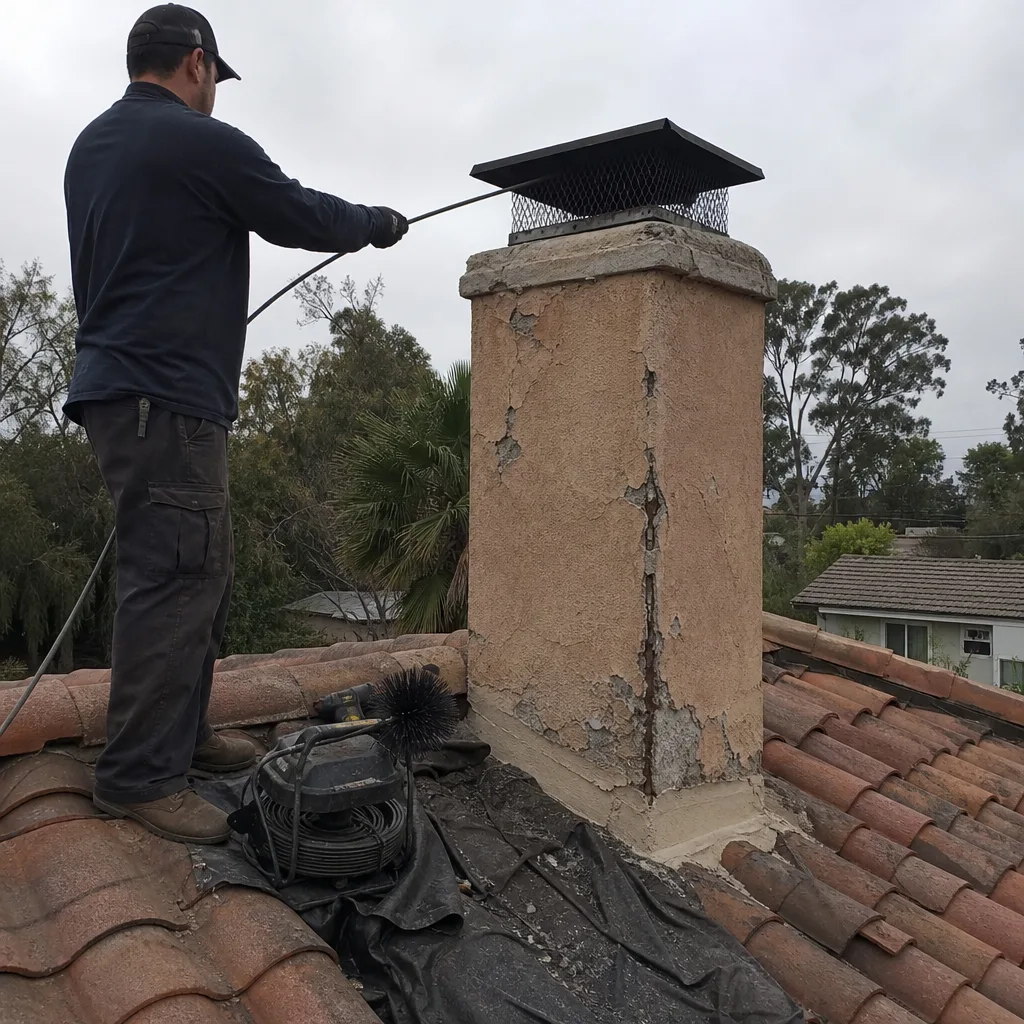 Before
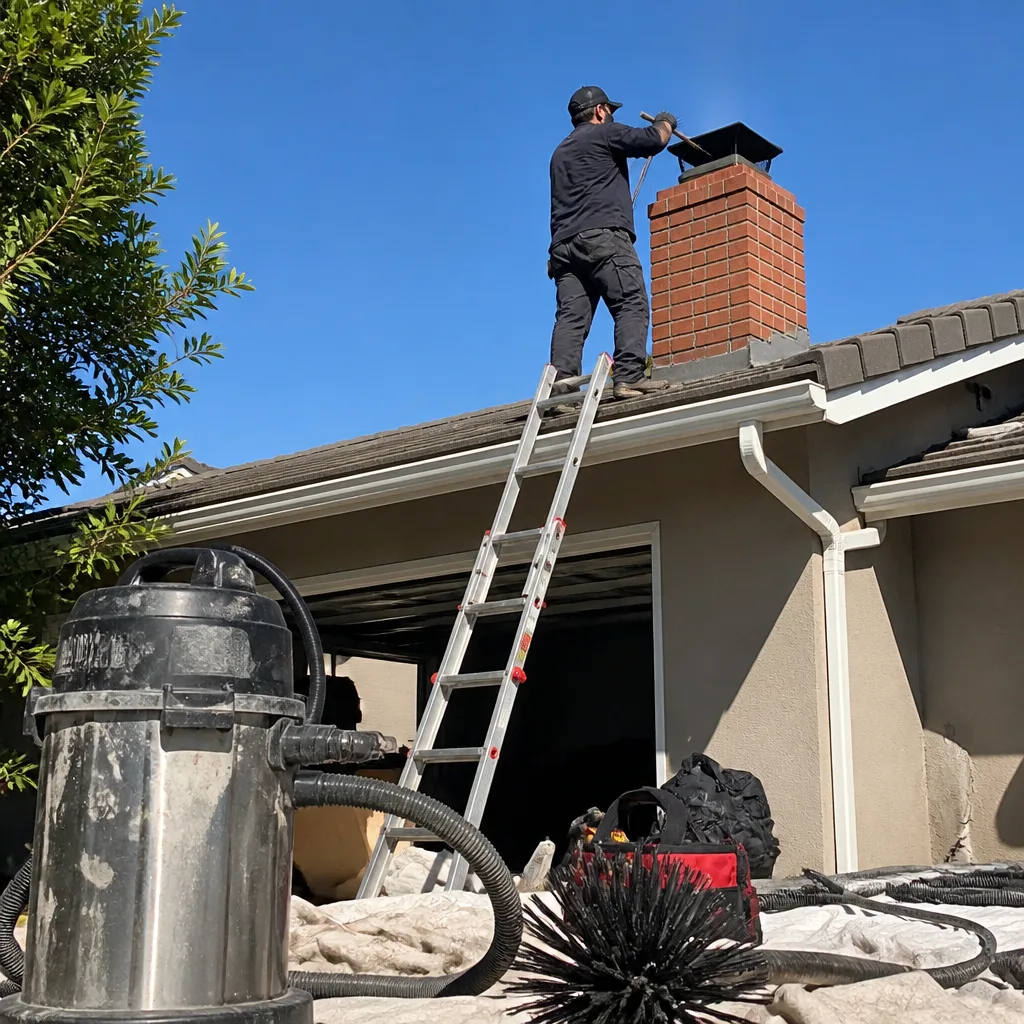 After
 Before
 After
 Before
 After