
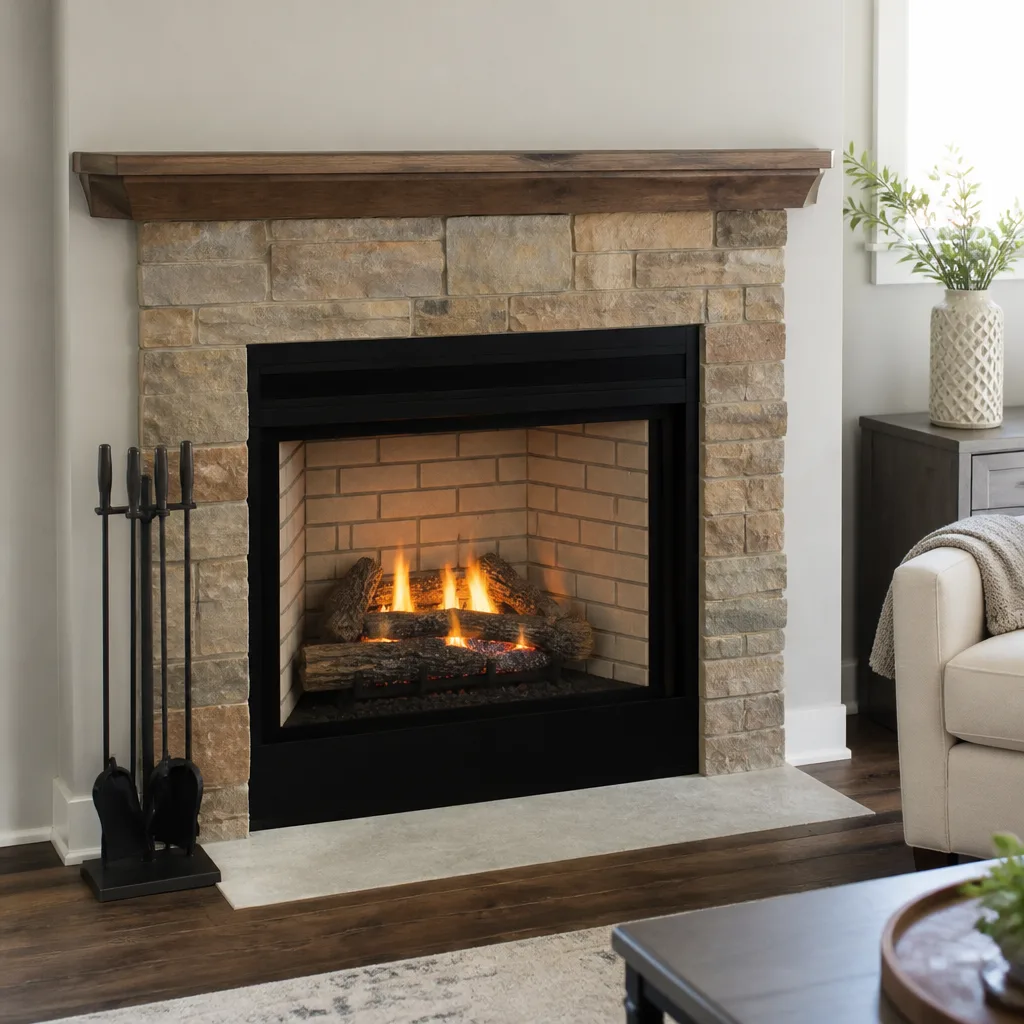
 Gas fireplace service
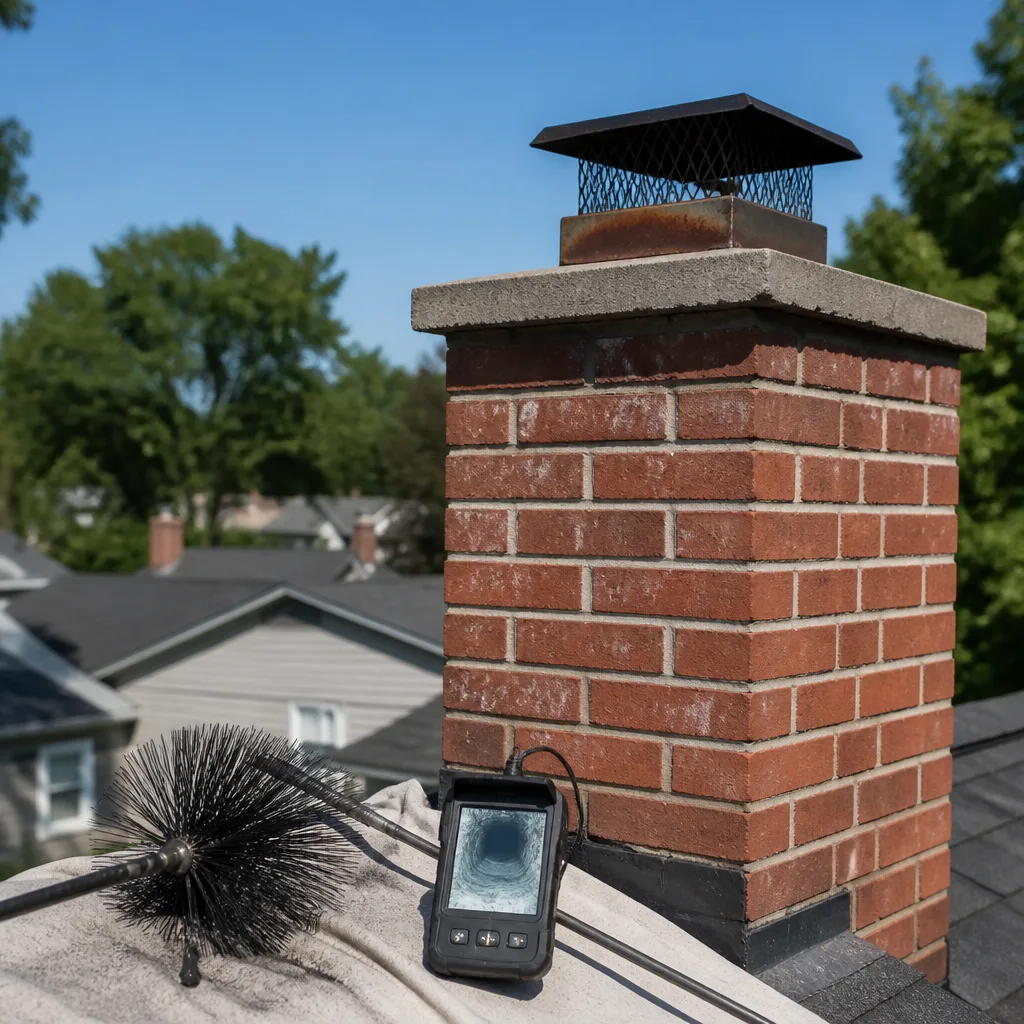 Sweep & inspection
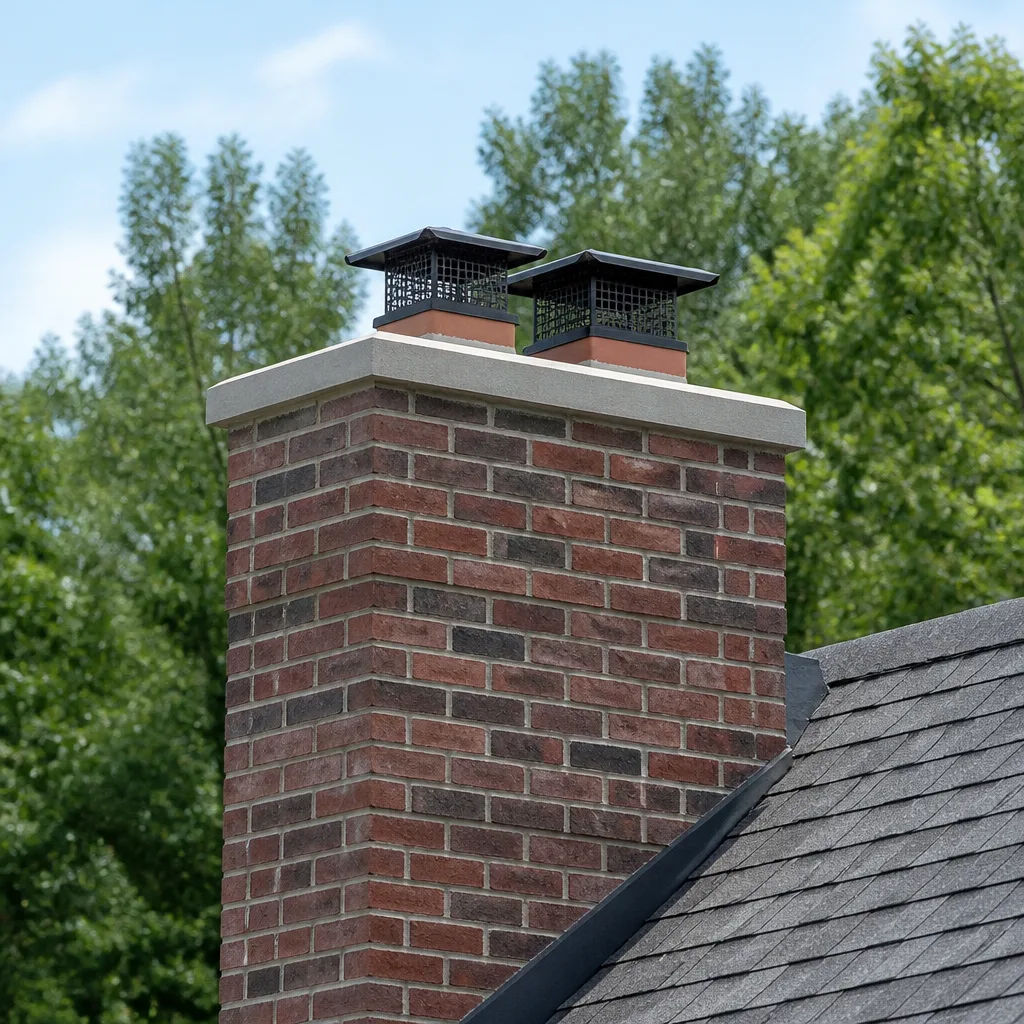 Caps & crowns
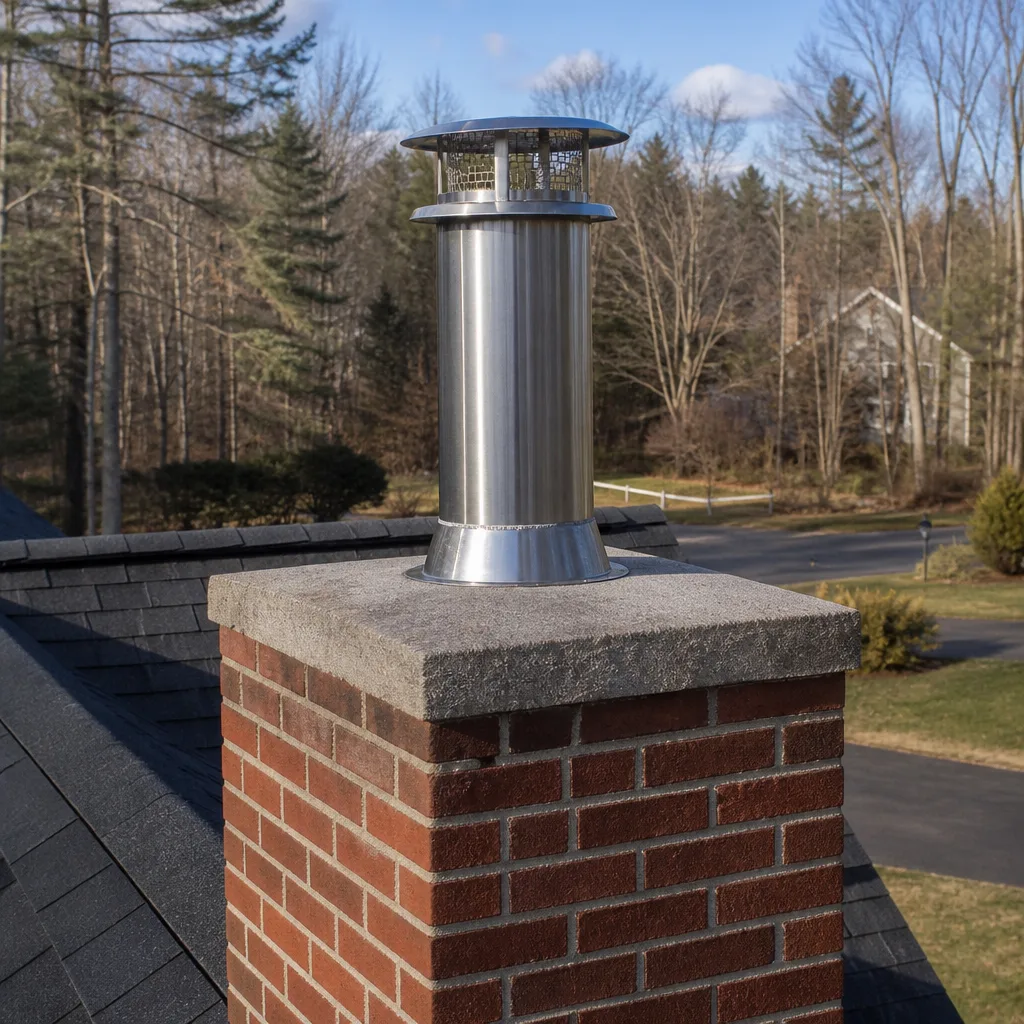 Flue relining
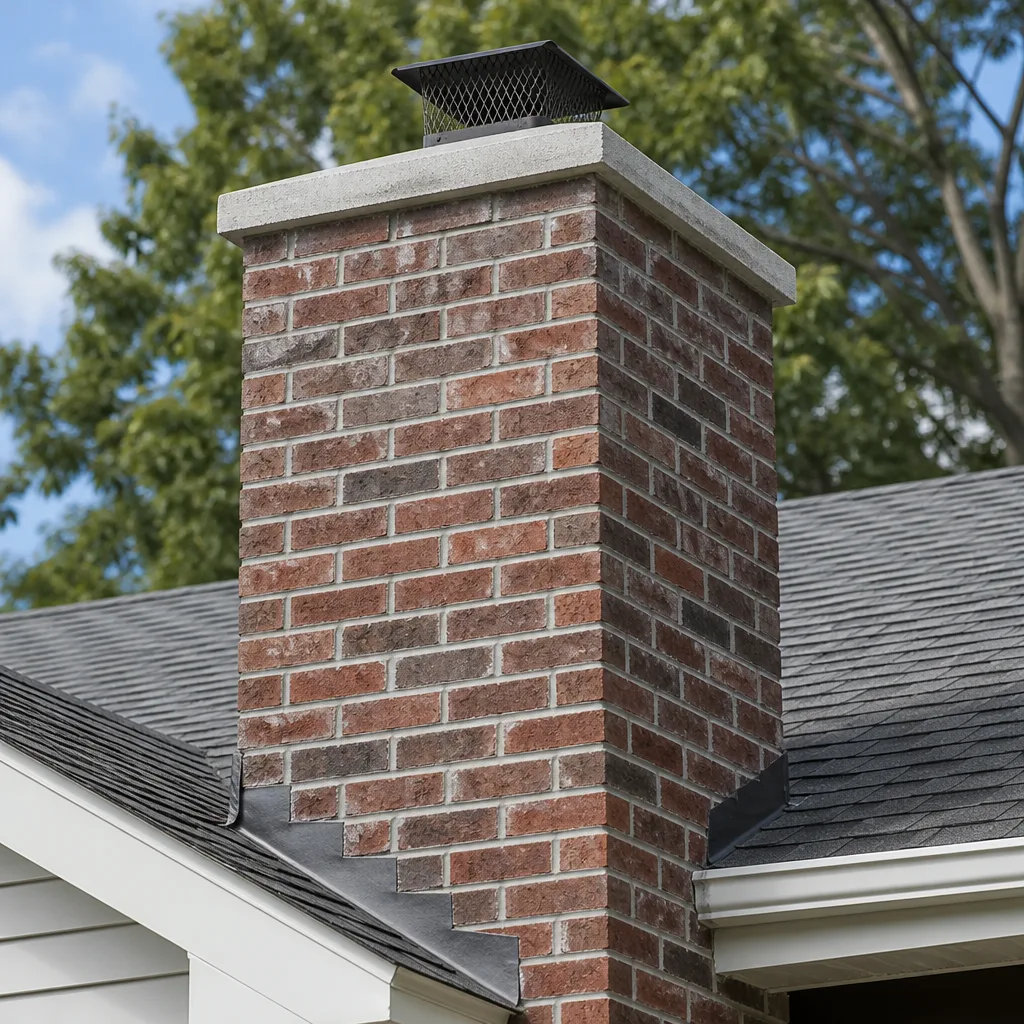 Masonry repair
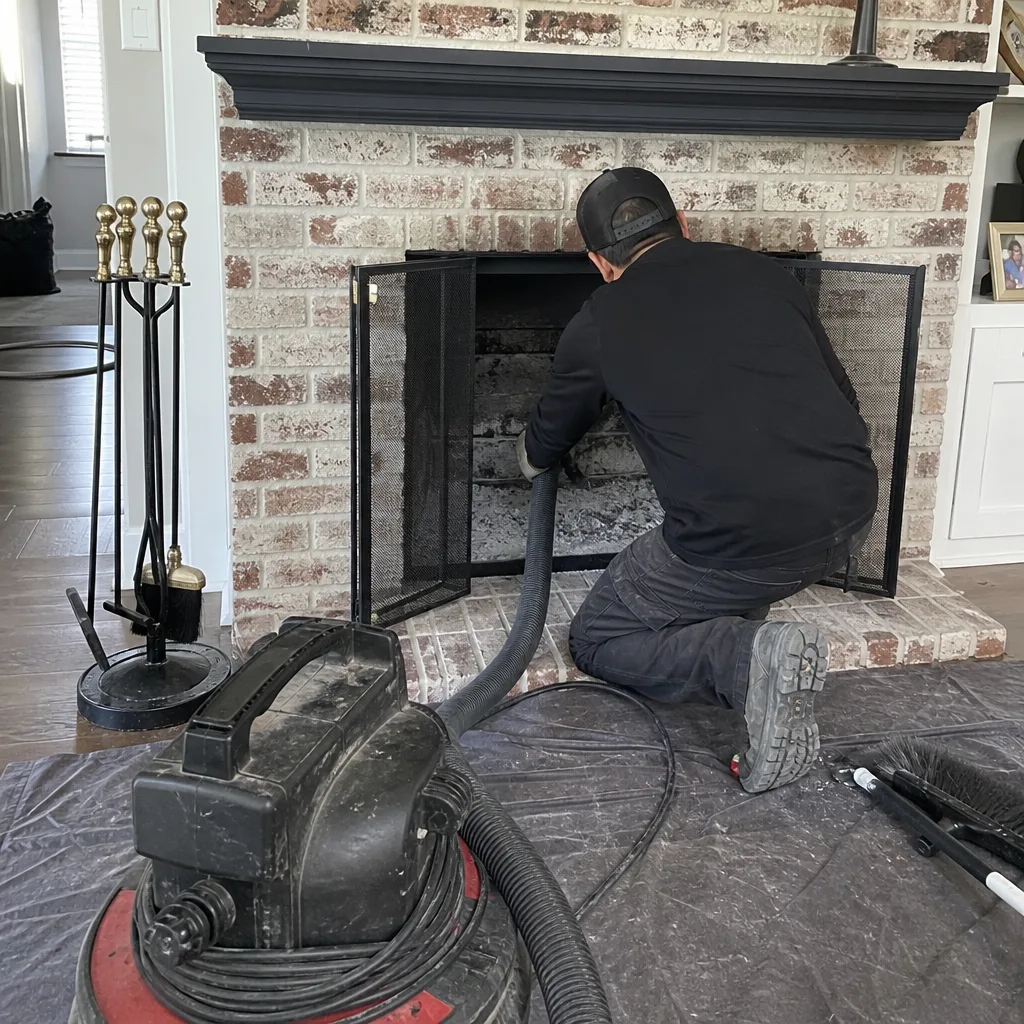
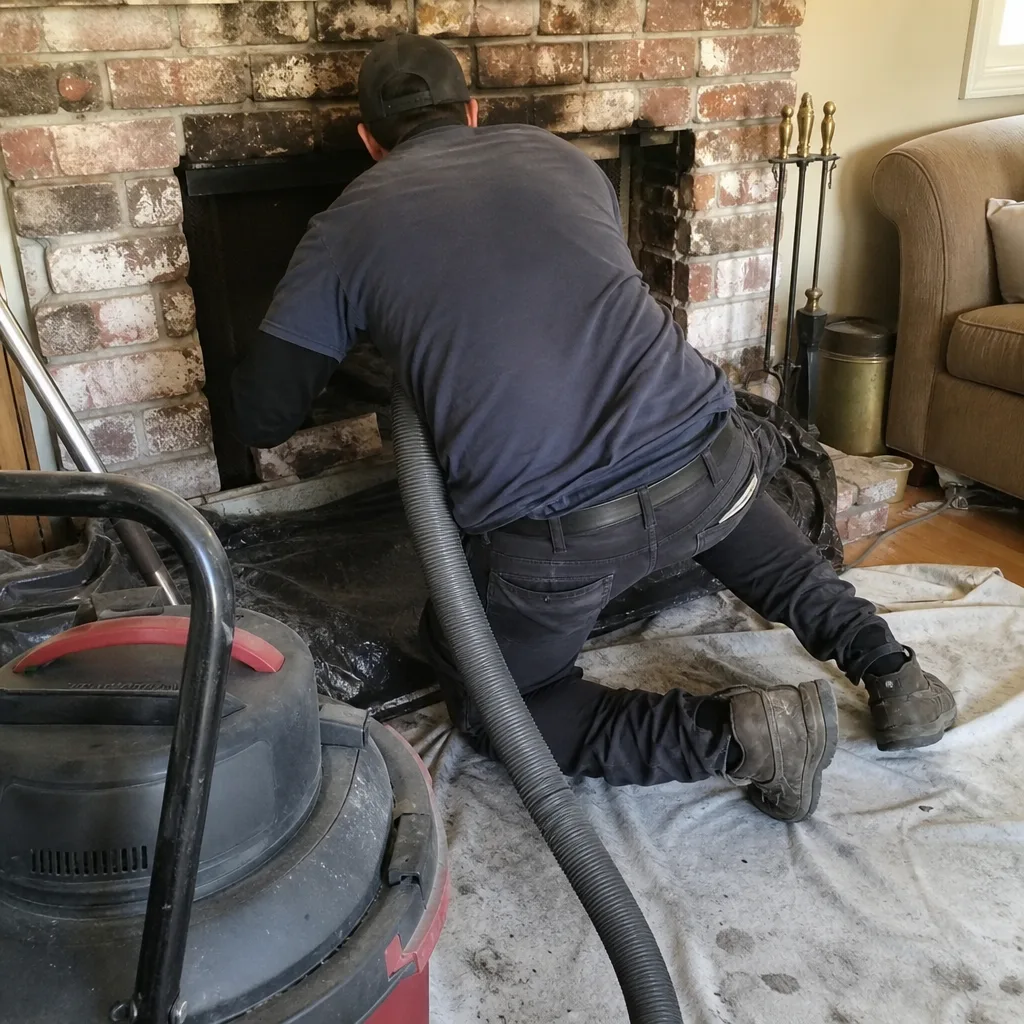
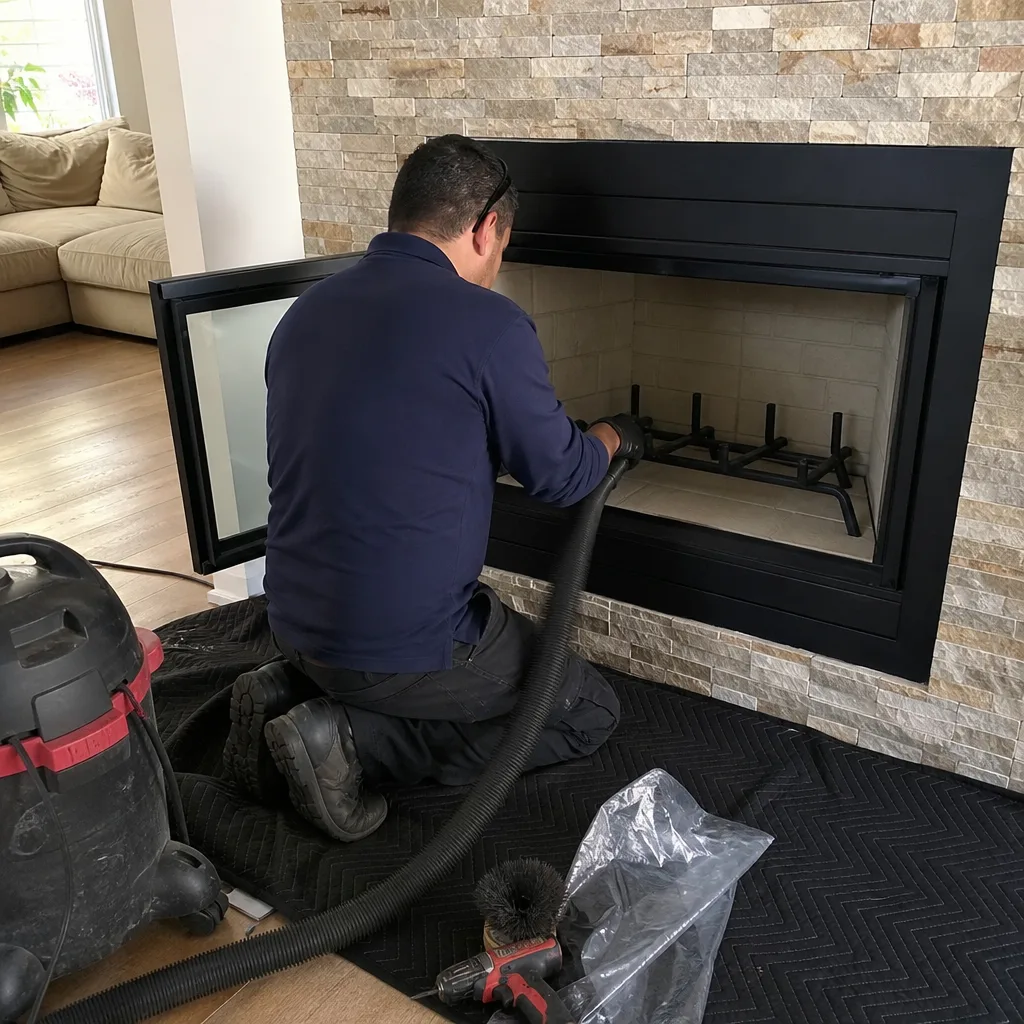
Level 1 sweep and inspection to the NFPA 211 annual standard - flue, crown, cap, and flashing checked and photographed
Chimney sweep logs do not sweep chimneys. They loosen some creosote - which then falls where a brush and vacuum still have to collect it.
Why Orange Homeowners Choose HeatShield Chimney Cleaning
We provide independent HeatShield repair in Orange, including chimney cleaning, inspection, and evaluation of your flue before recommending anything else. HeatShield is a cerfractory flue sealant system, and it behaves differently in Orange’s old masonry fireplaces than the manufacturer’s brochure suggests. If your HeatShield coating is flaking at the tile joints or water is getting in through a cracked crown, we’ll find it with a camera, show you the footage, and fix what actually needs fixing.
Orange has a stock of pre-1940 Craftsman and Spanish Colonial homes that still burn wood in original brick chimneys, many of which were lined with HeatShield at some point in the last twenty years. That local housing reality is why Tustin HeatShield service and Orange work skew toward restoration follow-up and inspection of aging coatings rather than fresh installs. We’re not authorized by HeatShield, and we don’t pretend to be. We’re an independent chimney service that works on their system daily, alongside DuraFlex and Gelco, and we’ll tell you plainly when a HeatShield coating is sound and when it isn’t. Call (833) 407-0587 to have Ruben Castillo and our team take a look.
Key Takeaways:
- Independent HeatShield service in Orange, not manufacturer-authorized.
- We camera-inspect before recommending any repair, so you see the evidence yourself.
- HeatShield coatings in Orange’s old masonry chimneys fail most often at tile joints and through water intrusion from cracked crowns.
- Genuine HeatShield material only; no aftermarket substitutes that won’t match the bond rating.
- One call covers sweep, inspection, repair, and dryer vent.
Why Trust Prestige Chimney for Your HeatShield Chimney Cleaning?
HeatShield isn’t a product you learn from a spec sheet. It’s a cerfractory coating that gets troweled or sprayed into a flue, and the way it behaves after years of Orange heat cycling depends heavily on how the flue was prepped before application. Ruben Castillo grew up in East Rancho Dominguez, trained in HVAC and venting fundamentals through the vocational program at El Camino College in Torrance, and spent more than a decade working chimneys across the South Bay and unincorporated L.A. County before establishing Prestige Chimney. A garage fire traceable to a neglected fireplace in his own family is the reason every inspection here gets treated like the last line of defense.
That background matters when you’re dealing with a proprietary system like HeatShield. We’ve seen the coating applied over creosote, which never bonds. We’ve seen it delaminate from clay tile after moisture worked in through a failed mortar crown. And we’ve seen joints reopen under the coating because the original crack was never properly addressed before the HeatShield went on. None of that shows up in a manufacturer’s marketing page. It shows up on a camera feed, and we read that feed as the primary document of your chimney’s condition. A clean flue isn’t a luxury, it’s what stands between a warm evening and a very bad night.
Styles & brands we work with
Common HeatShield Chimney Cleaning Problems We Fix in Orange
Here’s what actually goes wrong with HeatShield systems in Orange, particularly in the pre-war masonry fireplaces around Old Towne and the Plaza Historic District:
- Coating delamination at clay tile joints. HeatShield’s Cerfractory Flue Sealant is designed to bond to properly prepped clay tile. But in Orange’s 1920s-era single-wythe brick flues, the original tile joints were never perfectly flush. Moisture from uncapped crowns works into those joints, freezes nothing here (no freezing in Orange), but dries and expands against the coating. We regularly find coating that has lost bond at the tile joint interface, flaking into the flue path. The fix is mechanical removal of the failed section, proper surface prep, and reapplication with genuine HeatShield joint compound, not a patch job.
- Cracks reopening under the coating at the smoke chamber transition. This is the one that fools visual inspections. The firebox and upper flue look fine. The coating looks intact. But the smoke chamber transition, where the firebox narrows into the flue, is the highest-heat zone in the system. Coatings that weren’t applied thick enough there, or flues that had spalling before application, hide real structural deterioration underneath. Our Level 2 camera inspection catches this.
- Coating applied over glazed creosote. HeatShield specifies a cleaned, swept flue before application. In Orange, where the long dry season and Santa Ana winds let creosote bake into a hard glaze over months of disuse, some prior contractors skipped the full mechanical sweep. The result is a coating that never bonded, sitting on top of a fire hazard. We see this in 1950s-70s tract homes on the east side of Orange where factory-built metal fireboxes meet clay tile flues and shortcuts got taken.
- Water intrusion through cracked mortar crowns breaking down a previously restored HeatShield joint. Orange’s winter rains aren’t heavy, but they’re enough. A cracked mortar crown on an Old Towne bungalow lets water track down into the flue, saturate the masonry, and break the bond of any HeatShield restoration below. We scope crown repair and chimney waterproofing alongside flue correction rather than treating the coating failure in isolation.
- Missing spark arrestors and the heat they let escape. In the Plaza Historic District, many bungalows still have their original 1920s clay-tile chimney pots, unlined or HeatShield-lined, with no spark arrestor and cracked crowns hidden behind ivy. Embers escaping an uncapped flue onto a dry Orange roof during Santa Ana season is a real fire path. Our inspections flag this on nearly every historic home we open up.
HeatShield Parts & Our Repair-vs-Replace Approach
HeatShield is a proprietary system. The cerfractory material has a specific bond strength and heat rating, and aftermarket substitutes don’t match it. When we repair a HeatShield flue, we use genuine HeatShield material, applied to a mechanically cleaned and properly prepped surface. We don’t stock knockoff cerfractory because it would be the cheap moves that cost you later. We also stock DuraFlex and Gelco components for cases where a HeatShield restoration isn’t the right call and a stainless liner is the better long-term answer.
The repair-vs-replace decision starts with a camera. If the tile underneath the HeatShield coating is sound and the coating loss is localized, spot repair with HeatShield joint compound is often the right move. If the tile is spalled or the coating has lost bond across multiple joints, we’ll say replace. We don’t pad estimates and we don’t recommend a full relining just because a spot repair is less profitable. The camera footage is yours, and it tells the story. Call (833) 407-0587 for a straight assessment.
Our HeatShield Service Process – Step by Step
Here’s how a HeatShield chimney cleaning and evaluation goes when we work on an Orange home:
- 1
Full sweep and creosote assessment. We mechanically remove creosote from the flue before any coating evaluation. A HeatShield flue that hasn’t been cleaned can’t be properly inspected, and glaze hides bond failures.
- 2
Level 2 camera inspection. We run a camera through the entire flue, focusing on the tile joints, the smoke chamber transition, and the coating-bond surface. Any delamination, joint cracking, or hidden spalling gets documented in the footage and we show it to you directly.
- 3
Diagnosis and straight recommendation. If the HeatShield coating is sound, we say so and note any crown or flashing issues separately. If it’s failed, we show you exactly where, with the footage, and recommend either spot repair with genuine HeatShield material or full relining depending on the underlying tile condition.
- 4
Repair and waterproofing. When a repair is agreed, we prep the surface properly, apply HeatShield joint compound or Cerfractory material per specification, and address any crown or flashing water entry at the same visit if needed. Found during the sweep, fixed in the same visit.
- 5
Testing and documentation. We run a final camera pass or smoke test to verify the repair, then hand you the footage so you have a record of what was done and why.
See the difference
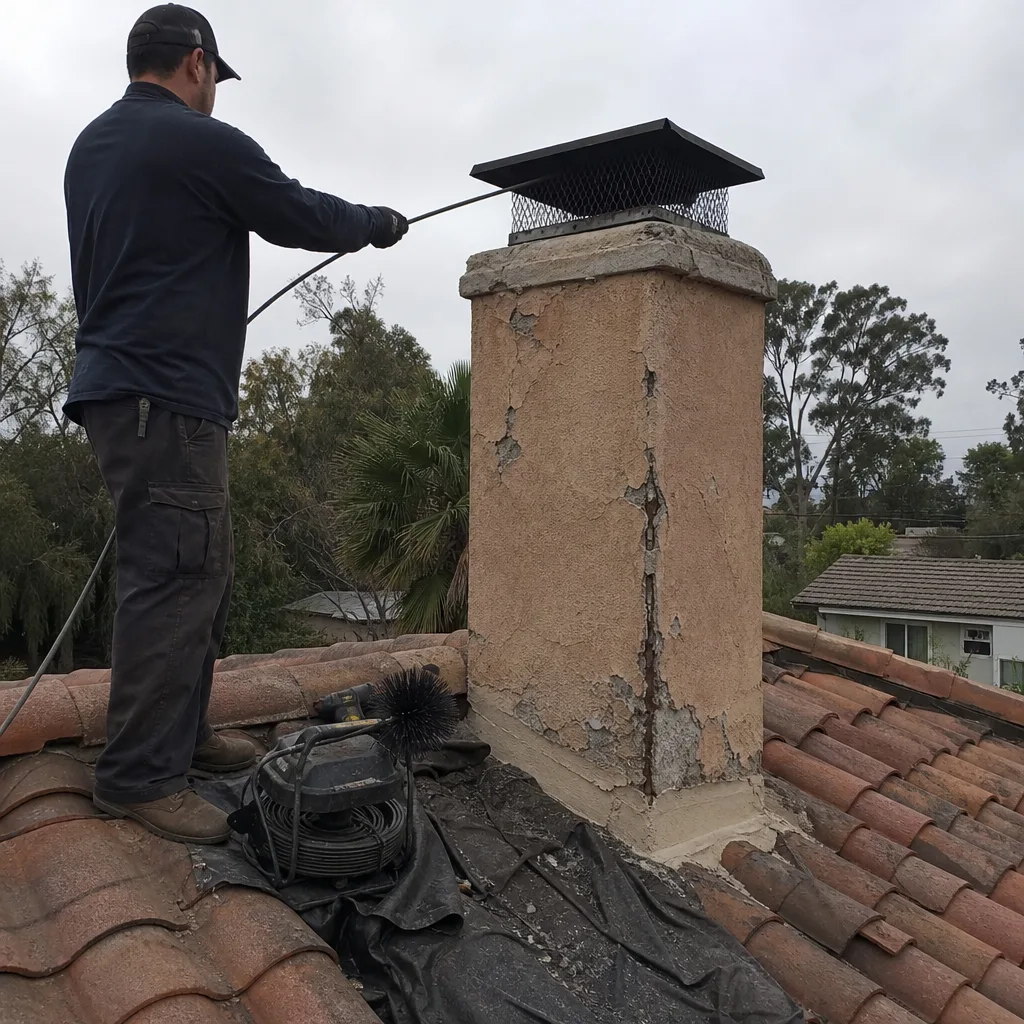 Before
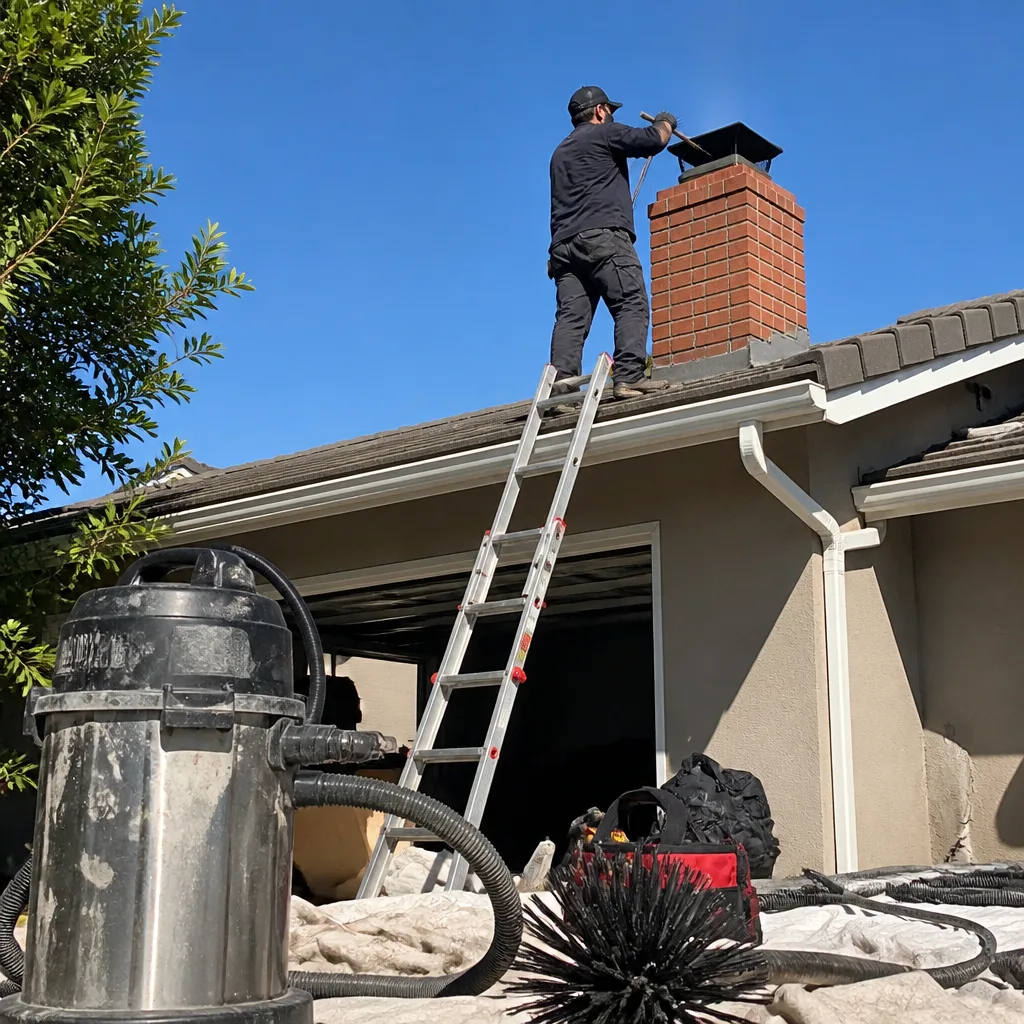 After
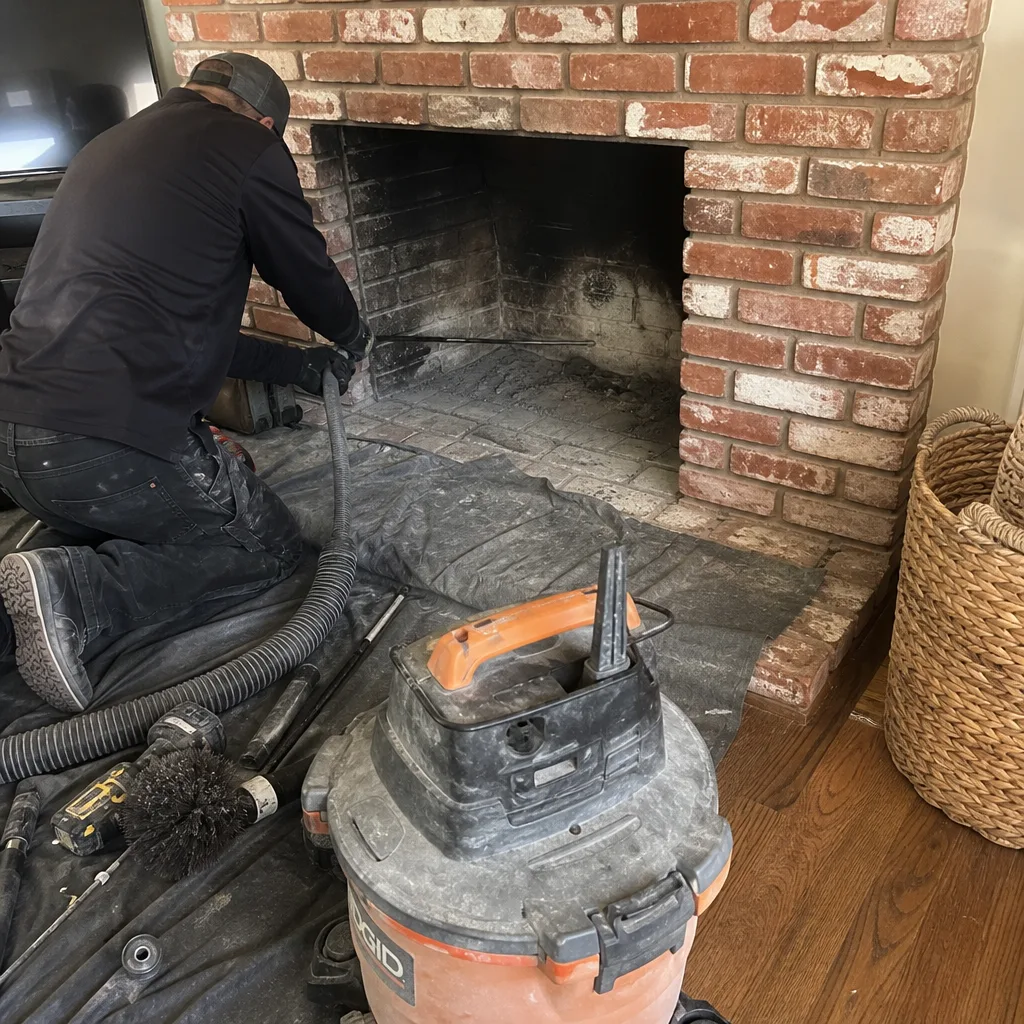 Before
 After
 Before
 After
HeatShield Products We Service & Install in Orange
We service and install the full HeatShield system line in Orange County, including Villa Park HeatShield service: the Cerfractory Flue Sealant for cast-in-place liner coating, the HeatShield joint repair compound for cracked and gapped clay flue tiles, and HeatShield-applied flue liners in older masonry fireplaces. That includes HeatShield restorations applied over existing clay-tile flues before a fireplace insert install, a common sequence in Orange’s mid-century tract homes where owners are adding gas or wood inserts to original fireplaces. We don’t inventory every HeatShield SKU in the truck, but we stock the common joint compounds and sealants locally and order specific material as each job requires.
We Also Service These Brands
HeatShield is one system we work with, not the only one. We also service and install DuraFlex stainless steel liners and Gelco chimney products, so when a HeatShield flue has failed beyond spot repair and a stainless liner is the better call, we can make that switch without involving a second contractor. One call covers sweep, repair, and dryer vent, regardless of which brand is in your flue.
FAQs – HeatShield Chimney Cleaning Service in Orange
You can’t tell from the firebox. A HeatShield coating can look intact from below while bond failure is happening at the tile joints up in the flue. The only reliable way is a Level 2 camera inspection, where we look specifically for delamination at tile joints, coating flaking, and any cracks reopening underneath. In Orange’s pre-war masonry chimneys, the smoke chamber transition is the most common failure point we find.
The flue has to be mechanically swept first. HeatShield’s cerfractory material requires a clean, properly prepped clay tile surface to bond. If we find a HeatShield coating applied over glazed creosote, which we have in Orange’s dry-climate fireplaces where creosote bakes hard and gets skipped, the correct repair is removal, full sweep, surface prep, and reapplication. A coating over creosote is a coating that will delaminate.
Smoke rollback with an intact-looking HeatShield lining usually points to one of three things: a coating that has lost bond at the smoke chamber transition or upper tile joints, a missing or blocked spark arrestor, or negative air pressure in the house from exhaust fans or a tight building envelope. On a 1960s Orange ranch house, our tech ran a Level 2 camera scan for smoke rollback and found the HeatShield coating had lost bond at two tile joints behind the smoke chamber while the firebox above looked fine. Don’t assume the liner is the whole story. Call (833) 407-0587 and we’ll chase it with a camera.
Sometimes, but only if the underlying tile and the HeatShield coating are both verified sound. We do this regularly in Orange’s 1950s-70s tract homes where owners are adding inserts to original fireplaces. The sequence matters: Level 2 inspection first, then any needed HeatShield restoration, then insert install. We won’t green-light an insert over a flue that’s hiding spalled tile under a thin coating.
Yes. HeatShield is a liner restoration, not a creosote exemption. Wood burning in Orange still produces creosote, and the long dry season plus Santa Ana winds means it dries out and tightens into the flue walls. An annual sweep and visual check catch coating delamination and joint failure before they become a chimney fire. For exact pricing, call (833) 407-0587.
HeatShield chimney cleaning in Orange typically runs $180-$340 for a standard sweep and visual inspection, depending on creosote volume and flue accessibility. A Level 2 camera inspection adds $150-$250. Spot repair with genuine HeatShield compound runs $400-$900 per joint section, and full HeatShield restoration varies widely by flue length. Those are Orange-specific ranges based on the housing stock we see, not national averages. Call (833) 407-0587 for an exact quote, estimates are free.
Book Your HeatShield Service in Orange, CA
If your Orange fireplace has a HeatShield liner, or you aren’t sure what’s inside the flue, we’ll inspect it with a camera and show you exactly what we find. Call (833) 407-0587 to schedule a HeatShield chimney cleaning, Level 2 inspection, or repair evaluation. We serve the entire Orange area, from the Old Towne Historic District to the east side tract neighborhoods, and HeatShield in North Tustin as well.
Written by Ruben Castillo, Owner at Prestige Chimney, serving Orange and Orange County since the beginning of Prestige.